Autonomous Delivery: From Pizzas to Parcels, How Robots Will Bring You Everything
20 November 2026
As technology continues to advance, the concept of autonomous delivery has shifted from futuristic dreams to a tangible reality. In recent years, we have seen developments in robots that can deliver everything from pizzas to parcels, fundamentally changing the logistics landscape. This article dives deep into the implications, technologies, and real-world applications of autonomous delivery systems, while also shedding light on the challenges and considerations that come with them.
The Rise of Autonomous Delivery
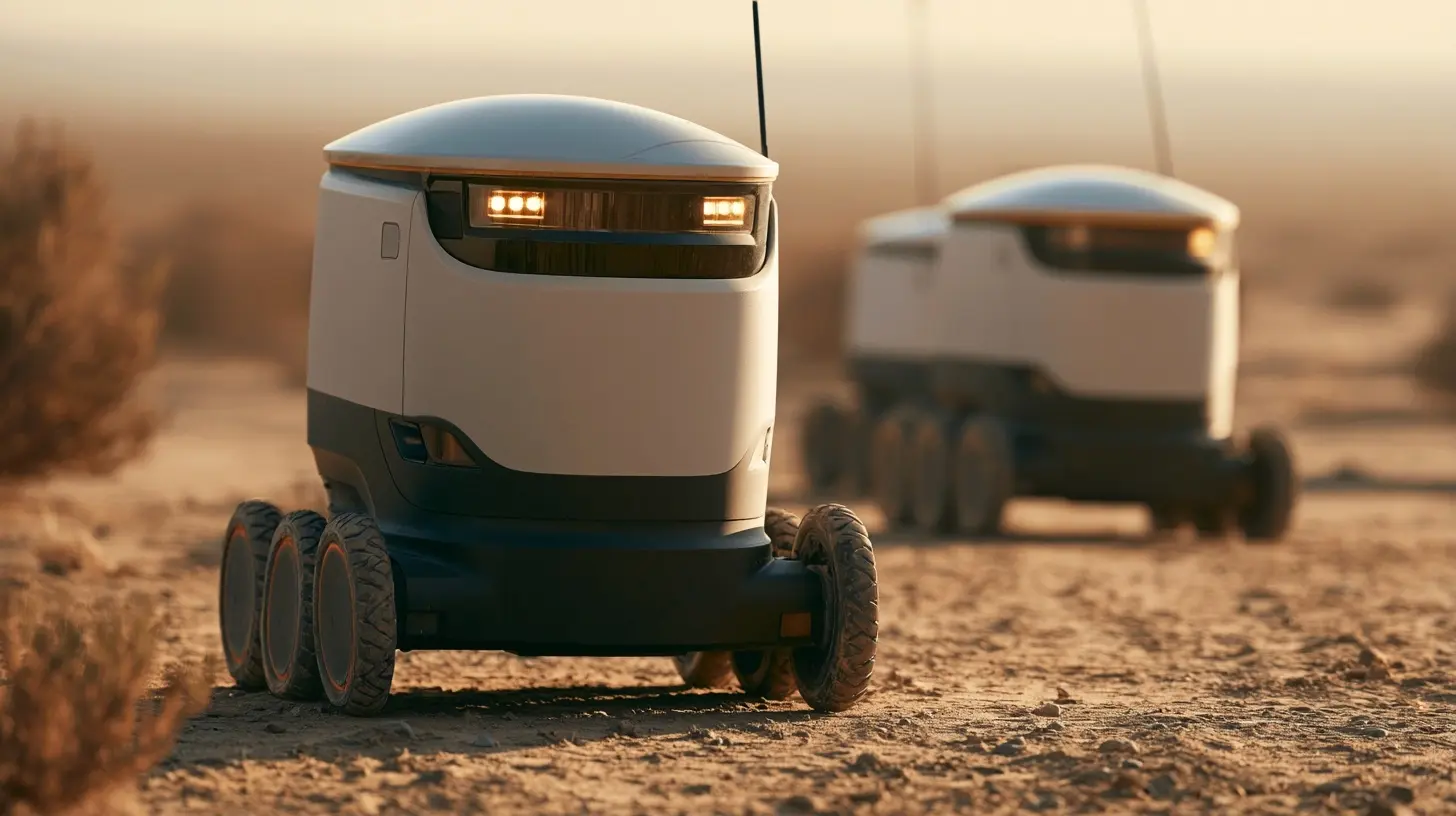
Autonomous delivery began gaining traction with the advent of advanced robotics and artificial intelligence. Companies like Domino's and Amazon have rolled out pilot programs where delivery robots navigate sidewalks and streets to deliver goods directly to customers. These innovations promise not only convenience but also the potential for reduced operational costs.Key Drivers of Autonomous Delivery
Several factors are driving the shift toward autonomous delivery systems:1. Consumer Demand: The desire for faster, more convenient delivery options has skyrocketed. Customers increasingly expect their orders to arrive almost instantly.
2. Labor Challenges: The ongoing labor shortage in many regions makes it challenging for companies to maintain sufficient delivery staff. Robots can fill this gap by working around the clock without the same constraints as human workers.
3. Technological Advancements: Improvements in AI, machine learning, and navigation technologies have made it possible for robots to navigate complex environments autonomously.
4. Cost Efficiency: Over time, autonomous delivery systems can drastically reduce delivery costs by minimizing human labor and optimizing delivery routes.
Types of Autonomous Delivery Robots
There are various types of robots utilized for delivery purposes, each designed with specific applications in mind:1. Last-Mile Delivery Robots: Often small, these robots are designed to transport goods directly from a local distribution center to the customer's doorstep. They navigate sidewalks and can avoid obstacles effectively.
2. Drones: These aerial vehicles are particularly useful in delivering packages over longer distances or in hard-to-reach areas. Companies like Zipline have pioneered drone delivery in medical supply chains.
3. Self-Driving Vehicles: Larger and more complex than delivery robots, these vehicles can transport multiple packages over longer distances, combining delivery with logistics.
4. Mobile Lockers: While not robots in the traditional sense, mobile lockers can be transported to various locations to facilitate package pickups. Users receive a code to access their items securely.
Real-World Applications
Several companies are now utilizing autonomous delivery systems, providing concrete examples of their effectiveness and challenges.Domino's Pizza
Domino's has been at the forefront of pizza delivery automation. In select markets, they've experimented with delivery robots capable of navigating sidewalks and streets. The "Domino's Robotic Unit" (DRU) operates autonomously and can carry pizzas to customers at their locations. This initiative has allowed the company to gather data on delivery efficiency and customer satisfaction.Amazon Prime Air
Amazon's drone delivery service aims to deliver packages within 30 minutes of ordering. The company has conducted trials to refine its technologies, focusing on safety and efficiency. Regulatory hurdles and air traffic management remain significant challenges for widespread adoption.Starship Technologies
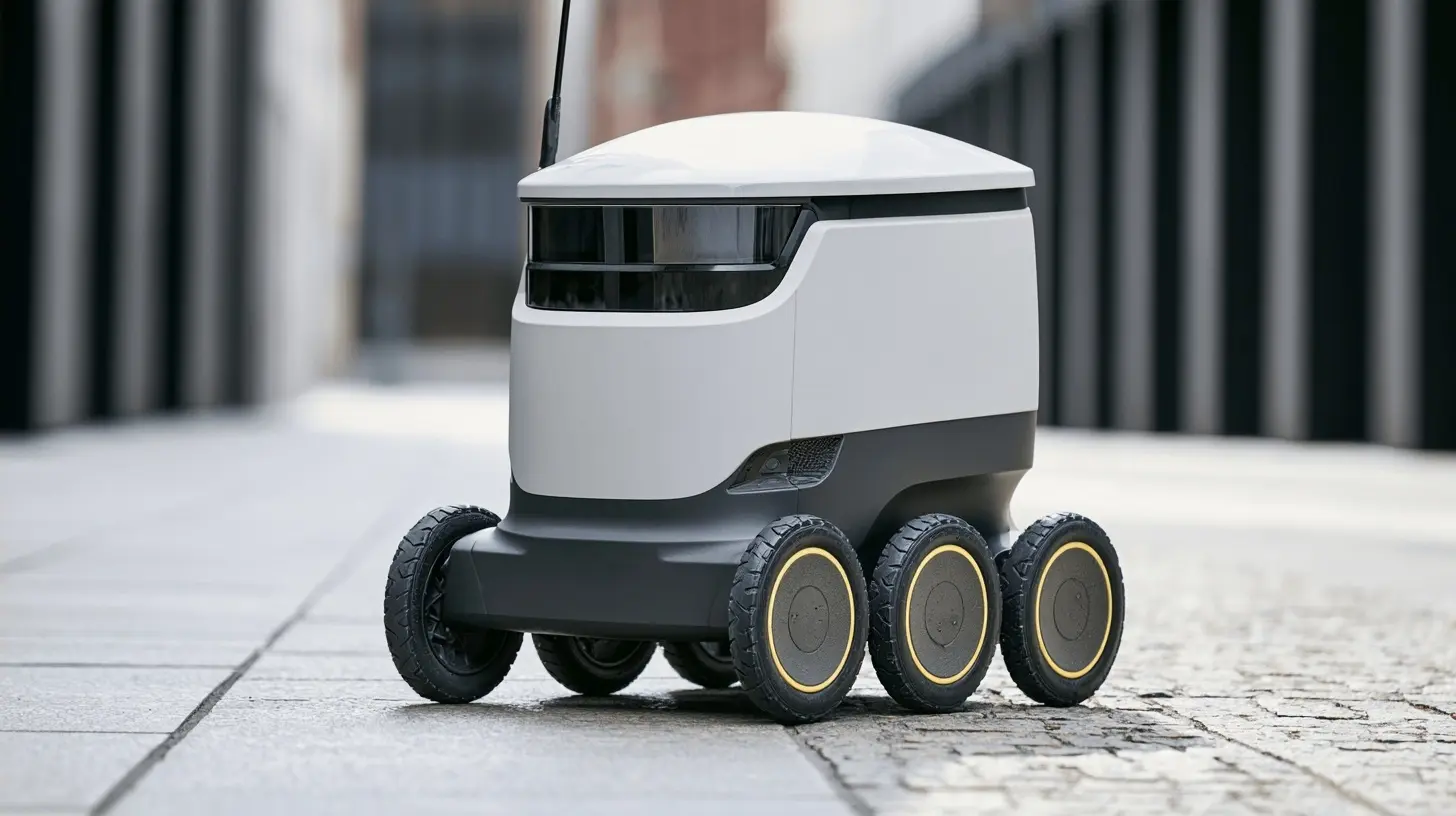
Starship has developed small delivery robots that operate on sidewalks, primarily used for food and grocery deliveries. With a successful deployment in various university campuses and urban areas, these robots avoid pedestrians, navigate crosswalks, and even climb curbs.Zipline
Zipline revolutionized the medical supply chain by using drones to deliver blood and vaccines in remote areas. Their systems can navigate difficult terrain and overcome logistical barriers, illustrating the potential for drones beyond consumer goods.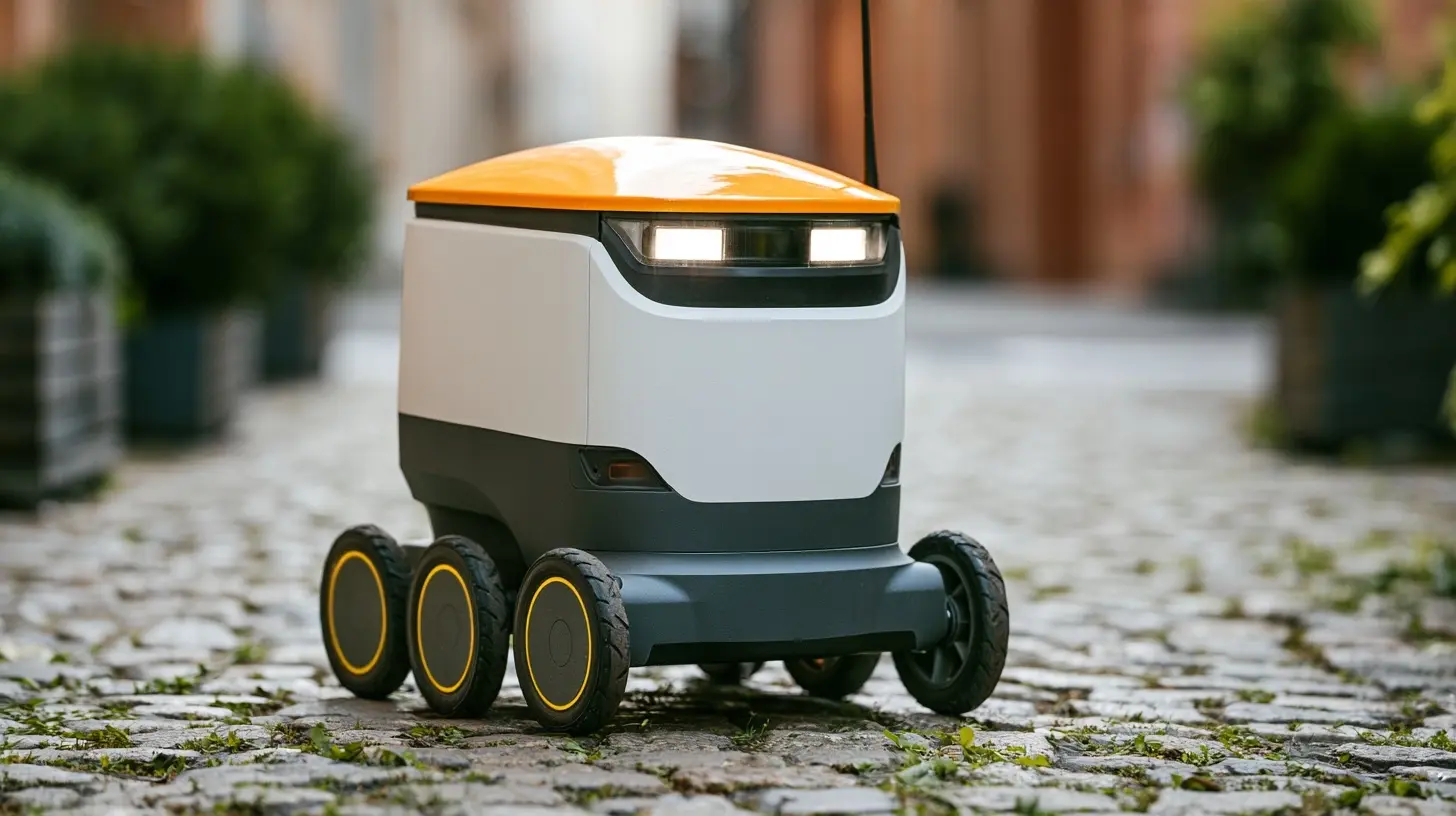
Advantages of Autonomous Delivery
The move toward autonomous delivery presents several advantages:1. Increased Efficiency: Robots can operate 24/7 without the need for breaks, leading to faster delivery times. They can also optimize routes using real-time data.
2. Cost Reduction: While the initial investment may be high, long-term savings can be significant. Robots eliminate labor costs and can reduce fuel and maintenance expenses.
3. Safety and Reliability: Autonomous systems can minimize the risk of human error, such as misdelivery or accidents. They can also operate in hazardous conditions where human workers might be at risk.
4. Sustainability: Many delivery robots and drones are electric, contributing to reduced carbon emissions compared to traditional delivery methods.
Challenges and Limitations
Despite their potential, autonomous delivery systems face numerous challenges:Regulatory Hurdles
Governments worldwide are still figuring out how to regulate autonomous delivery. Zoning laws, traffic regulations, and safety standards need to be established to ensure safe operations.Technological Limitations
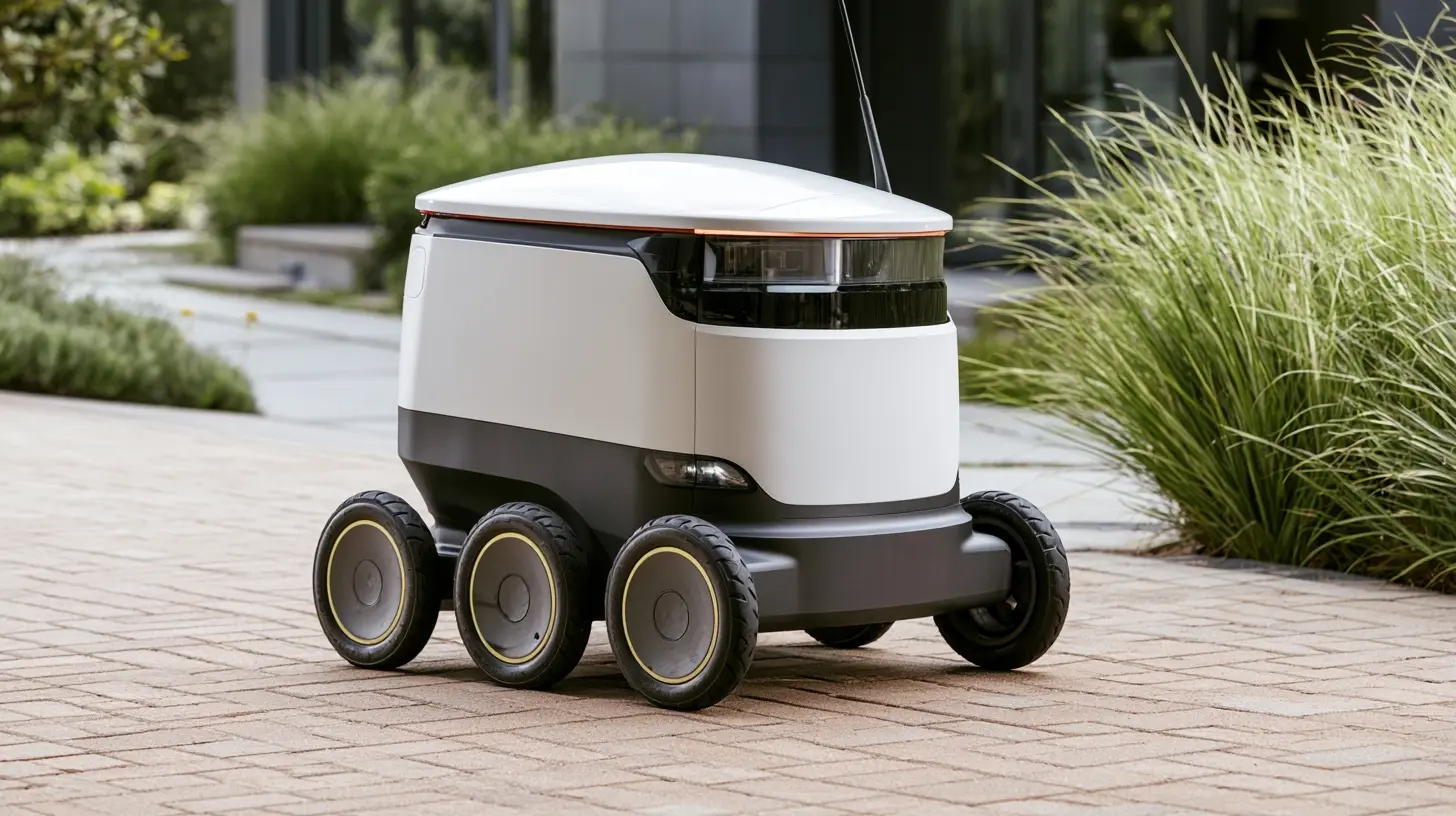
While technology has come a long way, delivery robots still struggle in certain environments. Adverse weather conditions, complex urban landscapes, and unexpected obstacles can hinder operations.Public Acceptance
Consumer acceptance of autonomous delivery remains a challenge. Some individuals may be hesitant to trust robots or drones with their packages, especially regarding privacy and security.Infrastructure Considerations
Many existing infrastructures are not designed with autonomous delivery in mind. Sidewalks, crosswalks, and even traffic signals may need to be upgraded to accommodate these new technologies.Common Misconceptions
As autonomous delivery continues to evolve, several misconceptions persist:1. Robots Will Replace Human Jobs: While automation will change the nature of certain jobs, it may also create new opportunities in robotics maintenance, programming, and logistics planning.
2. Autonomous Delivery is Always Faster: While robots can operate continuously, factors like traffic patterns, delivery locations, and customer availability can affect overall speed.
3. Drones are the Best Solution for All Deliveries: Drones excel in specific scenarios, such as remote areas, but they may not be ideal for urban deliveries where traffic congestion can slow them down.
4. All Delivery Robots are the Same: Different robots have unique designs catered to specific needs. Understanding these differences is crucial for evaluating their effectiveness in various contexts.
Best Practices for Implementing Autonomous Delivery
For businesses considering the integration of autonomous delivery systems, several best practices can enhance their effectiveness:Pilot Programs
Before a full rollout, conducting pilot programs can provide invaluable insights. Test the technology in controlled environments to gather data and address potential issues.Customer Education
Informing customers about how autonomous delivery works can foster acceptance. Providing clear instructions can also alleviate concerns regarding the technology.Data Utilization
Leverage data analytics to optimize delivery routes and schedules. Real-time data can help identify patterns, reduce wait times, and enhance customer satisfaction.Collaboration with Regulators
Engaging with local authorities and regulatory bodies is critical. Addressing concerns early can facilitate smoother implementation and compliance with necessary guidelines.Continuous Improvement
Autonomous delivery systems should be regularly updated and improved based on user feedback and technological advancements. Companies should remain agile, ready to adapt to changing circumstances or innovations.Future Outlook
The future of autonomous delivery is both exciting and uncertain. As technology continues to advance, we can expect greater reliability and efficiency in delivery systems. However, the successful integration of these systems will depend on addressing regulatory, technological, and societal challenges.Potential Trends
1. Integration with Smart Cities: As cities become smarter, integrating autonomous delivery into urban infrastructure could streamline operations and enhance efficiency.2. Personalization: Companies may use data analytics to offer personalized delivery options, such as preferred delivery times and locations, enhancing customer experiences.
3. Collaboration with E-commerce: As online shopping grows, autonomous delivery can become an integral part of e-commerce logistics, aligning with consumer expectations for speedy service.
4. Enhanced Safety Features: Future robots are likely to include advanced sensors and AI capabilities, allowing them to navigate complex environments safely and effectively.
5. Sustainability Focus: With increasing emphasis on sustainability, future delivery systems will likely prioritize eco-friendly practices, such as utilizing renewable energy sources.
Conclusion
Autonomous delivery is no longer a distant concept; it is rapidly becoming an integral part of our everyday lives. From pizzas to parcels, these systems promise efficiency, cost savings, and convenience. However, the road ahead is fraught with challenges that require careful consideration. By understanding the advantages, limitations, and best practices associated with autonomous delivery, businesses can position themselves to take advantage of this transformative trend.
all images in this post were generated using AI tools
Category:
Autonomous VehiclesAuthor:

Kira Sanders