Are Biodegradable Phones the Future of Mobile Technology?
27 May 2026
Let’s face it—we're glued to our phones. We eat with them, sleep with them, and some of us even take them into the shower (no judgment… okay, maybe a little). But while we’re busy scrolling, snapping, and streaming, a serious issue is simmering in the background. It’s called e-waste, and it’s growing faster than your TikTok feed.
Now, here’s the million-dollar question: _Are biodegradable phones the future of mobile technology?_ Sounds futuristic, right? Like something out of a sci-fi series. But in reality, it's a lot closer than you think.
Let’s break it down, dive in, and see if our beloved gadgets might soon be as eco-friendly as a bamboo toothbrush.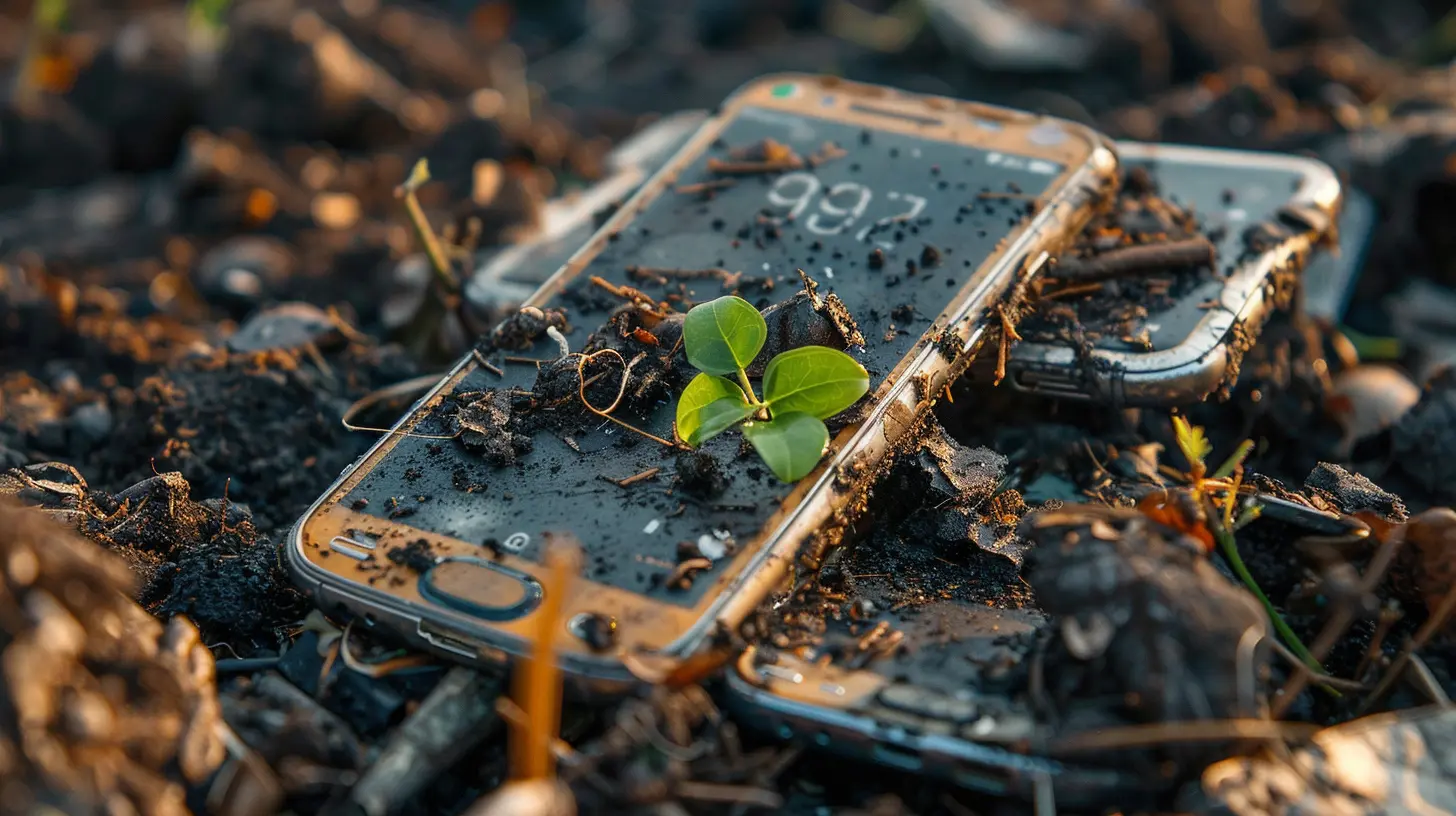
The Ugly Truth Behind Our Beloved Smartphones
Before we can appreciate the magic of biodegradable phones, we need to understand why we even need them in the first place.So, picture this: Each year, nearly 50 million tons of electronic waste is dumped globally. That’s like tossing out 4,500 Eiffel Towers worth of junk every single year. A large chunk of this is made up of smartphones—yes, the very device you might be reading this on.
Smartphones are packed with plastic, metal, glass, and toxic components like lead, mercury, and cadmium. Once they’re tossed into the bin, these materials don’t automatically vanish into thin air. Most of them take hundreds of years to degrade. And spoiler alert—they leak nasty stuff into the environment while they're at it.
Not exactly a green exit, huh?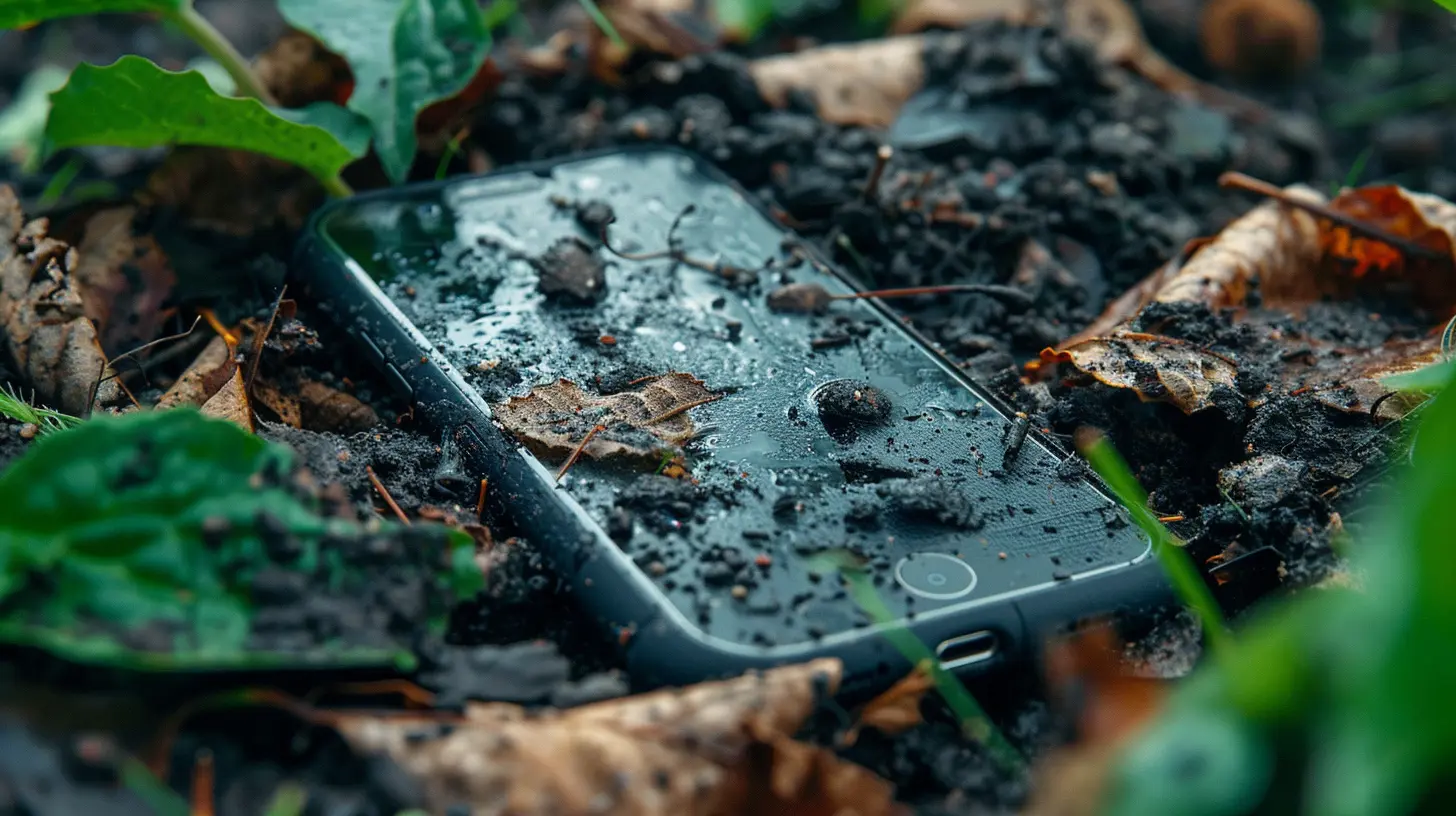
What Exactly Is a Biodegradable Phone?
Okay, so what’s the deal with biodegradable phones? Are we talking about leafy phones that dissolve in the rain? Not quite.A biodegradable phone is a mobile device made (either fully or partially) from materials that naturally break down over time without leaving behind toxic residue. Think plant-based plastics, bamboo, mushroom mycelium, and even recycled banana peels. Yep, tech is getting fruity!
The idea is to create phones that, when they’ve reached the end of their useful lives, can decompose just like your compostable coffee cup. And while the internal components might not totally disappear just yet, every little biodegradable bit helps.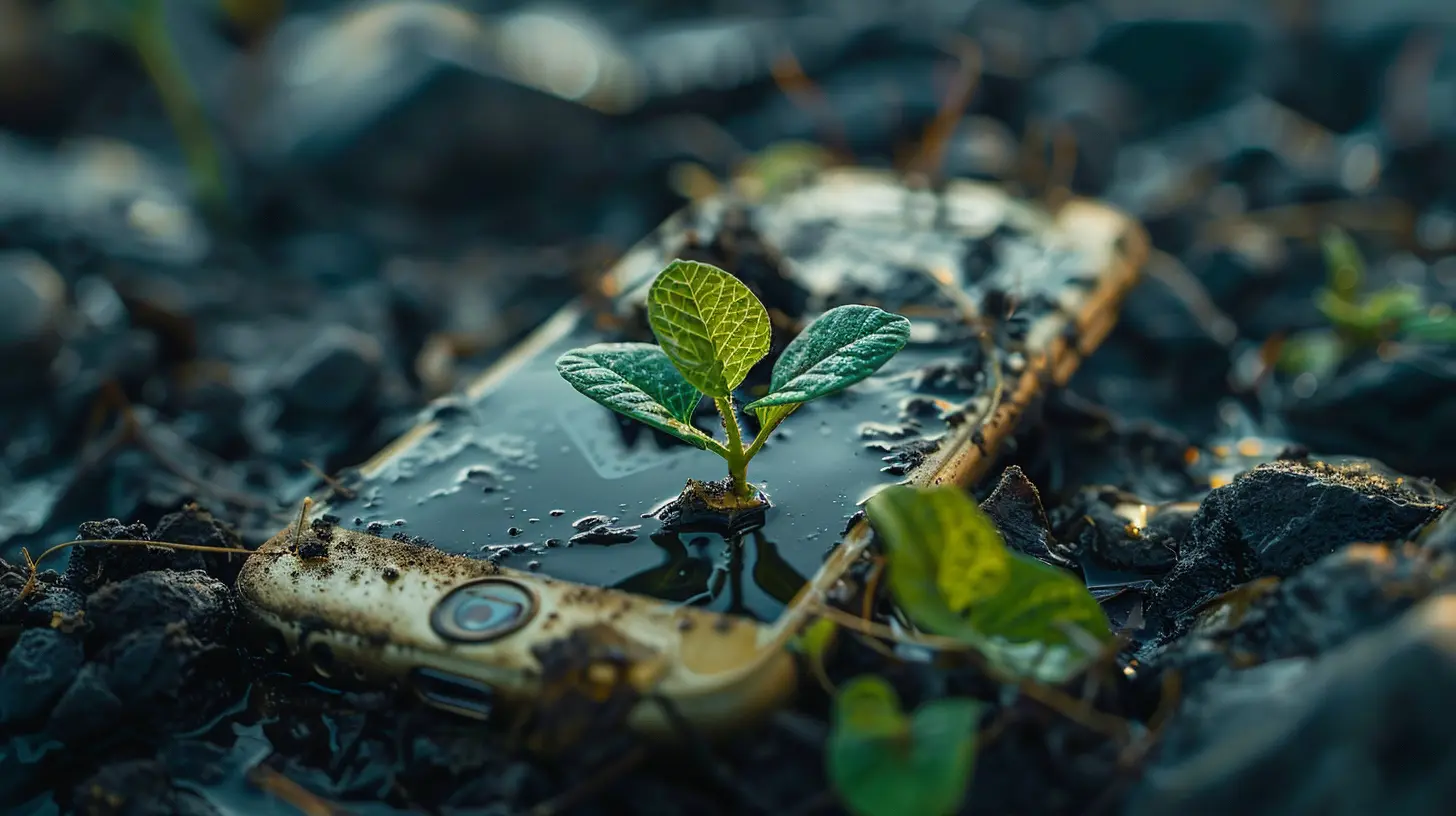
Meet the Eco-Heroes: Phones That Pioneered the Concept
Though we’re not swimming in biodegradable phones just yet, a few brave prototypes and eco-friendly models have started paving the way.1. The RePhone Kit
Remember the modular phones? The RePhone Kit by Seeed Studio brought that dream a step closer. It let users build their own phone shell using biodegradable PLA (polylactic acid, a plant-based plastic), reducing the amount of waste generated.2. Fairphone
Alright, so the Fairphone may not be fully biodegradable, but it deserves a massive shoutout for being one of the most sustainable phones out there. With ethically sourced materials and modular parts you can swap out like LEGO, it’s a giant leap toward eco-friendly tech.3. The Paper Phone (Kind Of)
Okay, this one’s more of an experiment. Google's experiment lab Area 120 came up with a minimalist “paper phone” experience—a printed piece of paper that substitutes your screen for the day. Not biodegradable tech, per se, but it shows we’re thinking differently.
Why the Push for Biodegradable Phones?
Here's the deal—modern phones are both a marvel and a mess. They’re powerful, pocket-sized computers. But after 2-3 years, most end up in drawers or landfills. And the resources used to make them? Finite and hard to recycle.Biodegradable phones come in like the Avengers of sustainability. They:
- Reduce e-waste
- Lower carbon footprints
- Use renewable materials
- Encourage longer-lasting or modular designs
- Promote ethical manufacturing
Imagine upgrading your phone every few years without feeling like you're betraying Mother Earth. Sounds dreamy, right?
But Wait — Can a Phone Really Be Completely Biodegradable?
Let’s not paint it all green just yet. While phone cases, shells, and even certain circuit boards can be made biodegradable, we're still a bit far from creating a device that fully breaks down without environmental harm.Why? Because tech is complicated. You’ve got batteries (li-ion ones, no less), displays, microchips, and dozens of tiny components that don’t exactly scream “compost me!”
But here’s the exciting part: scientists are working on biodegradable batteries and organic electronics. Think of it like the early days of smartphones. BlackBerrys walked so iPhones could run. One day, biodegradable tech might just sprint.
Challenges on the Road to Green Glory
Alright, let’s talk obstacles. Shiny tech dreams are awesome, but innovation faces a few reality checks.1. Durability vs Degradability
We want phones that can survive a fall from the bed (or let’s be real, the toilet). But biodegradable materials often aren’t as tough as plastic or aluminum. The trick is finding eco-materials that are strong enough to endure daily life but gentle enough to break down when discarded.2. Cost Factor
New materials and manufacturing processes don’t come cheap. Until biodegradable tech becomes mainstream, it might feel like you're paying an organic produce premium for your phone.3. Scalability
Making one eco-friendly prototype is doable. Mass-producing millions? That’s a whole other beast. Supply chains need to adapt, manufacturers need to retool, and—yes—consumers need to care enough to make it worth the switch.Green Tech Is Already Making Waves
Even if 100% biodegradable phones aren’t in your pocket this year, eco-conscious innovations in mobile tech are growing.- Recyclable phone cases made of wheat straw and recycled ocean plastics.
- Solar chargers that cut down electricity use.
- Refurbished phone marketplaces booming with options that save money and the planet.
These are the baby steps that may soon walk us into a completely compostable phone future. Slow and steady, folks.
The Role of Tech Giants and Startups
Let’s keep it real—biodegradable phones won’t take off without the big players jumping in. Apple, Samsung, Google—yes, we're looking at you.Some companies are starting to get the memo. Apple claims to use 100% recycled aluminum in some products. Samsung has sustainability goals on its roadmap. But most of these efforts are still nibbling around the edges.
That’s where startups and innovators become the spark. They’re the ones testing mushroom-based packaging, seaweed circuit boards, and batteries that degrade safely underwater (yes, that’s a thing!).
What Can You Do While We Wait?
While we wait for biodegradable phones to become mainstream, there’s actually a lot you can do to reduce your tech footprint:- Hold onto your phone longer – You don’t _need_ that shiny upgrade every year.
- Buy refurbished – It’s like thrifting for gadgets.
- Recycle properly – Don’t toss your old phone in the trash. Ever.
- Use eco-friendly accessories – Look for sustainable cases and charging cables.
- Support green tech companies – Your wallet has power. Use it wisely.
The Future Is Green… And Maybe a Little Bit Mushy
So, are biodegradable phones the future of mobile technology? If the trends, research, and eco-conscious movement are anything to go by, then heck yes. We’re heading toward an environment where our devices aren’t just smart—they're kind to the planet too.It might take time. It won’t be perfect. But imagine a world where your phone upgrade doesn't come with an environmental guilt trip. That’s the kind of future worth dialing into.
After all, we’ve landed rovers on Mars and made pizzas with AI—why not phones that can break down like a banana peel?
Keep your eyes peeled, tech fam. The green revolution is calling. And it might just be biodegradable.
all images in this post were generated using AI tools
Category:
Sustainable TechAuthor:

Kira Sanders
Discussion
rate this article
2 comments
Raven Pratt
This article raises important questions about sustainability in tech. Biodegradable phones could truly transform our relationship with devices and the environment for the better.
July 9, 2026 at 3:51 AM
Kira Sanders
Thanks for your insight! Biodegradable phones could indeed reshape how we interact with tech and the planet.
Alessia Jenkins
Biodegradable phones could address significant environmental concerns in tech. While the concept shows promise, challenges like durability and recycling processes will need to be overcome for widespread adoption and to ensure true sustainability.
June 3, 2026 at 12:05 PM
Kira Sanders
You make a great point. Addressing durability and recycling is crucial for making biodegradable phones a viable option. It's an exciting area to watch as innovation continues.