Autonomous Buses: A Glimpse into the Future of Public Transit
28 December 2025
Public transportation has come a long way, but let’s be real—it's still far from perfect. Late arrivals, overcrowding, and unpredictable schedules make commuting a nightmare for many. But hold on, the future is knocking at our doors, and it’s arriving in the form of autonomous buses.
Picture this: a fleet of self-driving buses cruising through the streets, efficiently picking up passengers, avoiding traffic congestion, and running 24/7 without a hiccup. Sounds like sci-fi? Well, it's closer to reality than you think. Let's dive into how autonomous buses are set to revolutionize public transit and why you should care.
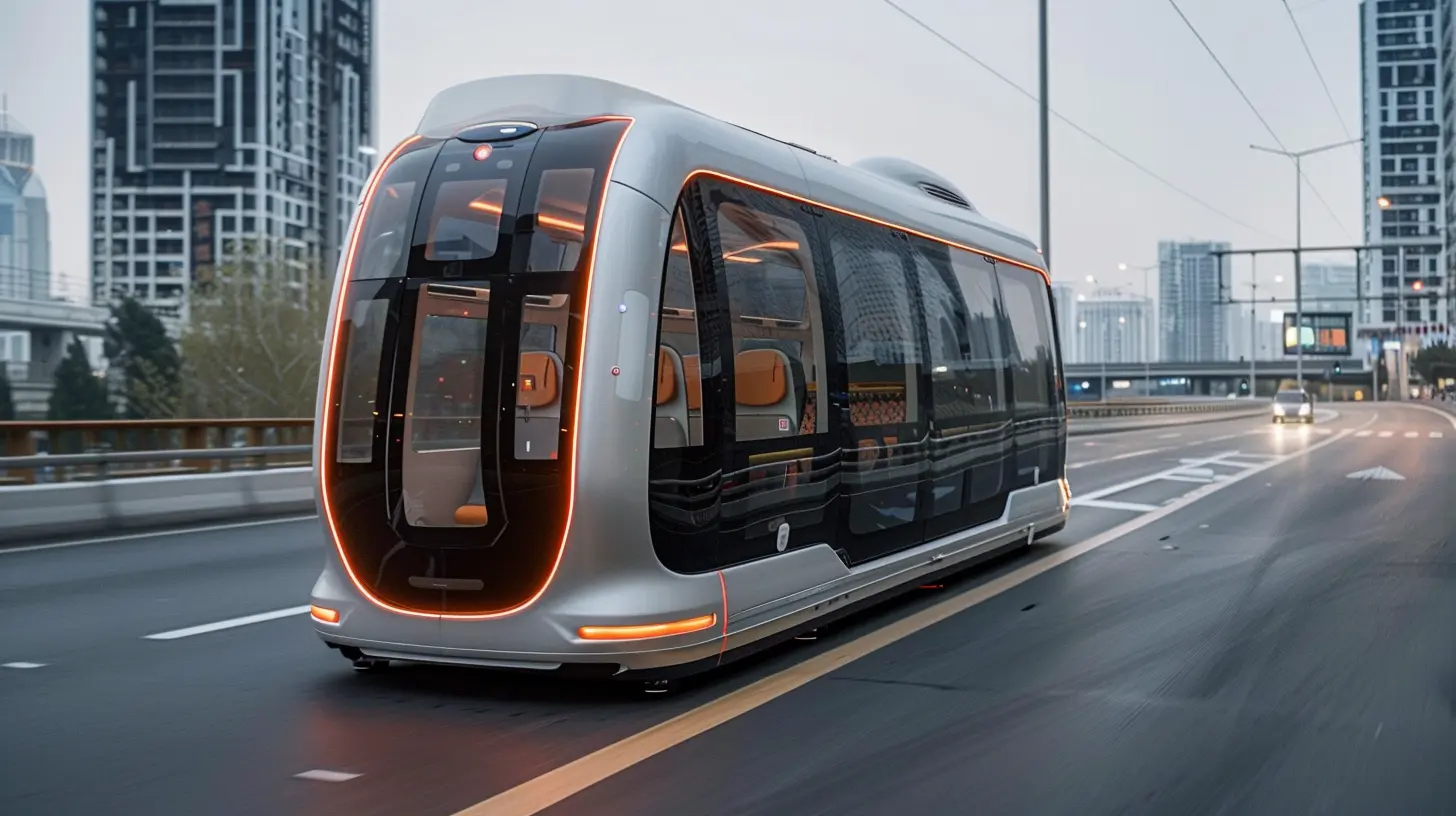
What Are Autonomous Buses?
Autonomous buses are self-driving public transport vehicles powered by artificial intelligence, sensors, and advanced computing systems. These buses operate without human drivers, relying on technologies like LiDAR, radar, GPS, and real-time data processing to navigate roads safely.Unlike traditional buses, which depend on human reflexes and judgment, autonomous buses are programmed to react faster, make precise decisions, and eliminate human errors that often lead to accidents and delays.
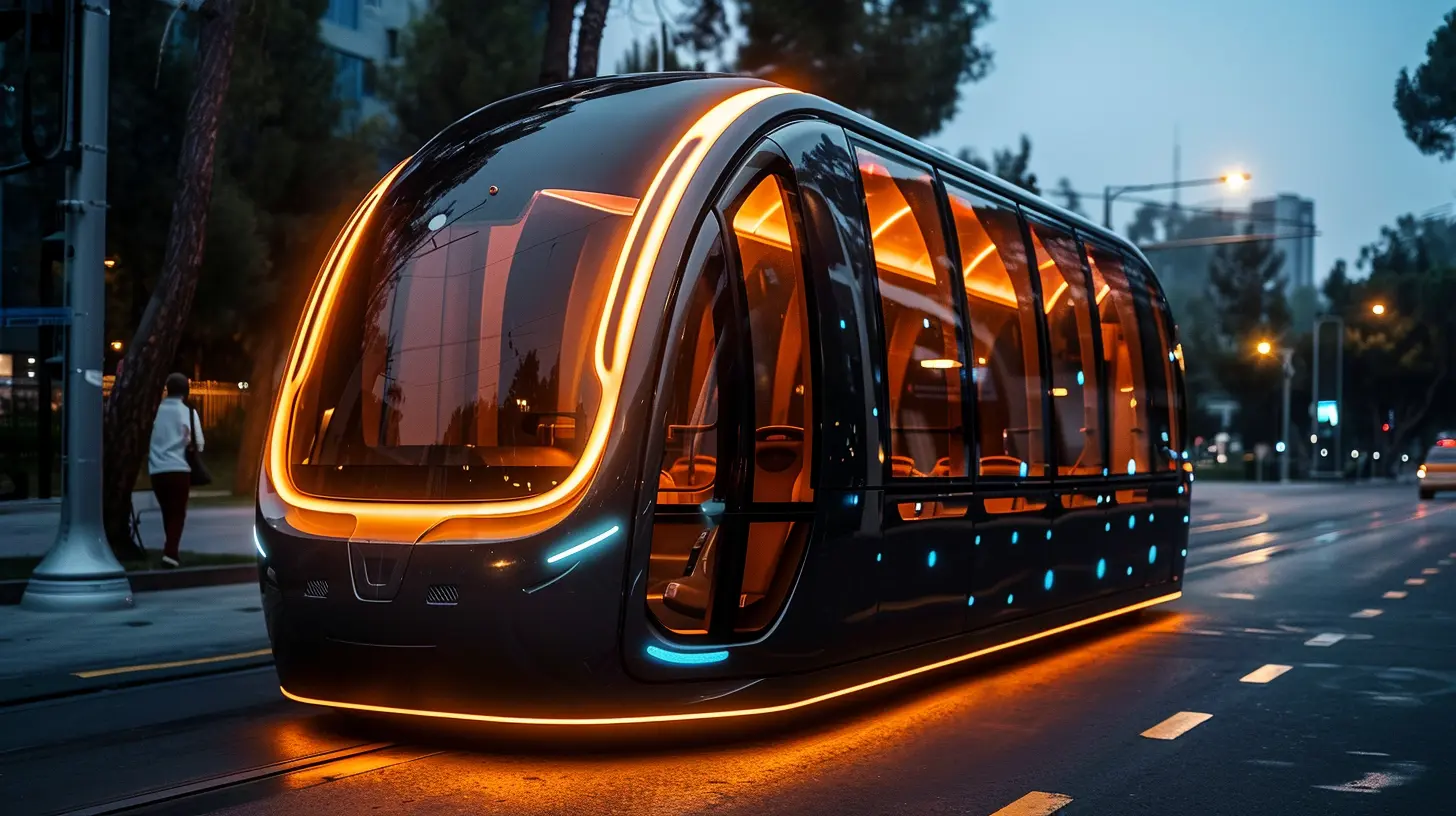
Why The World Needs Autonomous Buses
The daily grind of public transportation struggles is enough to frustrate anyone. But self-driving buses offer solutions to many of these problems. Here’s why they matter:1. Reducing Traffic Congestion
Ever been stuck in a jam, staring at an empty lane while traffic inches forward at a snail’s pace? Autonomous buses communicate with other vehicles and traffic signals, optimizing routes and ensuring a smoother flow of traffic. Fewer traffic jams? Yes, please!2. Enhanced Safety
Human drivers make mistakes—speeding, fatigue, distractions. Autonomous buses eliminate these risks with their advanced sensors and real-time decision-making. According to studies, self-driving vehicles can significantly reduce accidents by minimizing human error.3. Cost-Effective Public Transport
Driver salaries make up a huge chunk of a transit system’s budget. With self-driving buses, cities can reduce costs and reinvest in better infrastructure, improved services, and lower fares for passengers.4. 24/7 Availability
Unlike human drivers, autonomous buses don’t need rest. They can run round-the-clock, making late-night travel safer and more reliable for commuters. Whether it’s an early morning shift or a midnight ride home, these buses will always be on the move.5. Eco-Friendly Travel
Most autonomous buses are electric, meaning they reduce carbon emissions and contribute to a greener planet. No more smog-filled commutes or gas-guzzling engines polluting our air.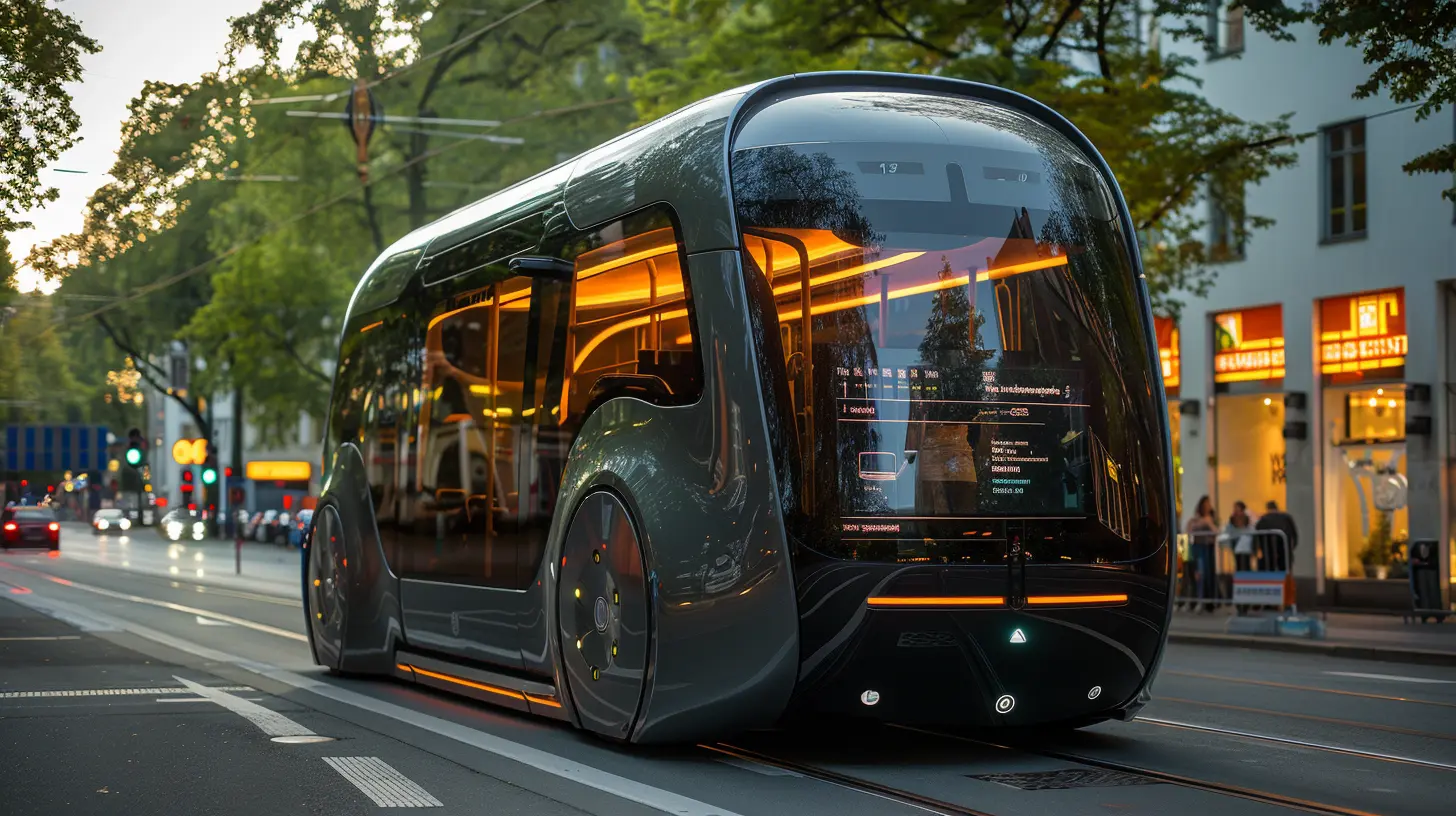
How Do Autonomous Buses Work?
If you're wondering, "How can a bus drive itself?"—let’s break it down. These vehicles rely on a combination of cutting-edge technologies:1. LiDAR and Radar Sensors
These sensors create a 360-degree real-time map of the surroundings, detecting obstacles, pedestrians, and other vehicles to ensure safe navigation.2. GPS and High-Definition Mapping
Autonomous buses use high-precision GPS and pre-mapped routes to stay on track, making detours and lane changes seamlessly when needed.3. AI-Powered Decision Making
Artificial Intelligence (AI) acts as the brain of these vehicles, processing millions of data points every second to make split-second driving decisions.4. Vehicle-to-Infrastructure Communication (V2I)
These buses communicate with traffic lights, road signs, and even other vehicles to anticipate changes in traffic patterns and avoid congestion.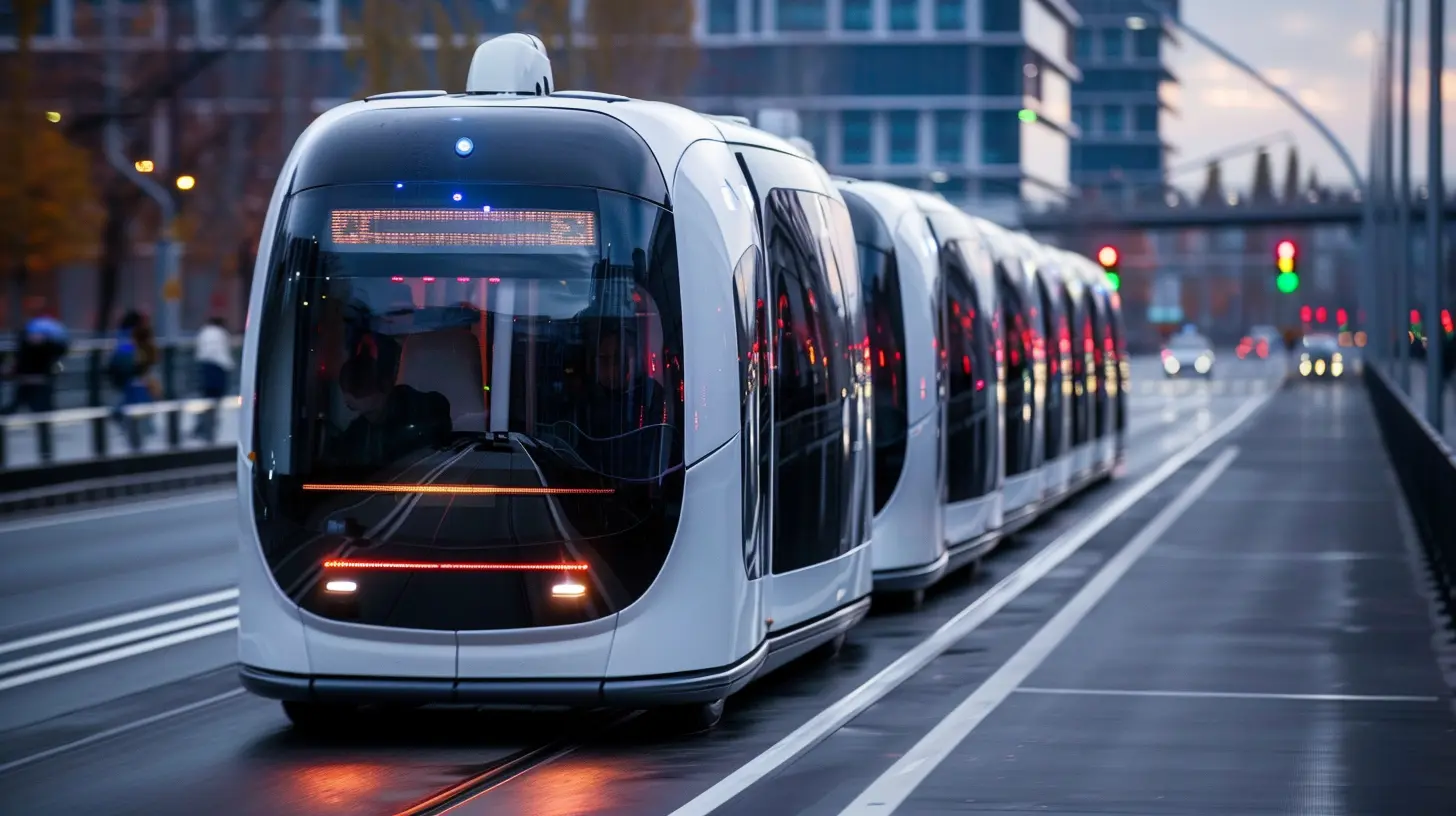
Challenges in Deploying Autonomous Buses
Alright, we’re hyped about self-driving buses, but let’s not ignore the roadblocks (pun intended). Rolling out autonomous buses on a large scale isn’t as easy as flipping a switch. Here’s what’s holding things back:1. Cost of Implementation
These buses aren’t cheap. The tech behind them—AI, sensors, and computing systems—comes with a hefty price tag, making large-scale adoption challenging for cash-strapped cities.2. Public Resistance
People are naturally skeptical about riding a driverless bus. Safety concerns, trust issues, and fear of losing jobs make many hesitant to embrace autonomous transit.3. Regulatory Hurdles
Governments need to create policies and safety regulations before these buses can hit the streets. Right now, many cities are still figuring out how to integrate them into existing transport laws.4. Cybersecurity Risks
With everything being digitized, hacking threats become a serious concern. A compromised autonomous bus system could pose serious safety risks, making cybersecurity a top priority.5. Weather and Road Conditions
Autonomous vehicles rely heavily on sensors, but what happens in heavy rain, snow, or fog? Poor weather conditions can interfere with sensor accuracy, making navigation tricky.Real-World Examples: Who’s Leading the Charge?
Several cities and companies worldwide are already testing or operating autonomous bus services. Here are some major players in the game:1. Singapore’s Smart Autonomous Bus Trials
Singapore, a hub for futuristic technology, has been testing autonomous minibuses and shuttle services to integrate into their smart city ecosystem.2. Sweden’s Self-Driving Bus Pilot
Stockholm has been experimenting with electric autonomous buses on select routes, focusing on safety and efficiency.3. China’s Robo-Buses
China, known for its ambitious tech advancements, has been actively deploying autonomous buses in various cities, offering a glimpse into the future of mass transit.4. United States’ Autonomous Trials
Multiple U.S. cities, including Las Vegas and San Francisco, have been running pilot programs using self-driving buses to test feasibility and gather public feedback.
The Future of Autonomous Buses: What’s Next?
We’re standing on the brink of a transportation revolution. While self-driving buses aren't yet mainstream, they’re steadily making progress. But what does the future hold?- Wider Adoption – As technology improves and costs drop, we’ll see more cities integrating autonomous buses into their public transit systems.
- Smart City Integration – Expect self-driving buses to work alongside smart traffic signals, AI-driven transit hubs, and on-demand ride-sharing.
- AI Improvements – Machine learning algorithms will keep evolving, making these buses smarter, safer, and more efficient in the coming years.
- Stronger Cybersecurity – Governments and companies will invest heavily in cybersecurity to prevent potential hacking threats that could disrupt transit systems.
Will Autonomous Buses Replace Human Drivers Completely?
Not necessarily. While automation will reduce the need for drivers, we might still have human operators on standby for emergencies or customer assistance. The shift will likely be gradual, blending technology with human oversight rather than eliminating drivers overnight.Final Thoughts: Are We Ready for the Change?
Autonomous buses are no longer just a concept; they’re a reality in the making. While challenges remain, the potential benefits—safer roads, reduced congestion, and more efficient public transit—are too significant to ignore.The question isn’t if self-driving buses will become mainstream, but when. And when that day comes, our daily commutes might just be smoother, greener, and way less stressful. So, are you ready to hop on board the future of public transit?
all images in this post were generated using AI tools
Category:
Autonomous VehiclesAuthor:

Kira Sanders
Discussion
rate this article
2 comments
Catherine McGovern
Autonomous buses could be the game-changer public transit desperately needs! Imagine reading a book or catching up on your favorite show during your commute. Can't wait to see how this transforms our daily travel experience!
January 14, 2026 at 3:40 AM
Kira Sanders
Thank you for your enthusiasm! Autonomous buses certainly have the potential to revolutionize public transit and enhance our travel experience. Exciting times ahead!
Greyson Kline
Imagine a bus that doesn’t need coffee breaks! Autonomous buses are like the introverted superheroes of public transit—quietly zooming us into a future where we can nap without guilt. Buckle up for tech-tastic rides!
December 31, 2025 at 4:50 AM
Kira Sanders
Thanks for your creative take! Autonomous buses truly are revolutionizing transit, offering us convenience and efficiency for a brighter future. Buckle up indeed!