Tinder and Zoom offer 'proof of humanity' eye-scans to combat AI
April 17, 2026 - 22:24
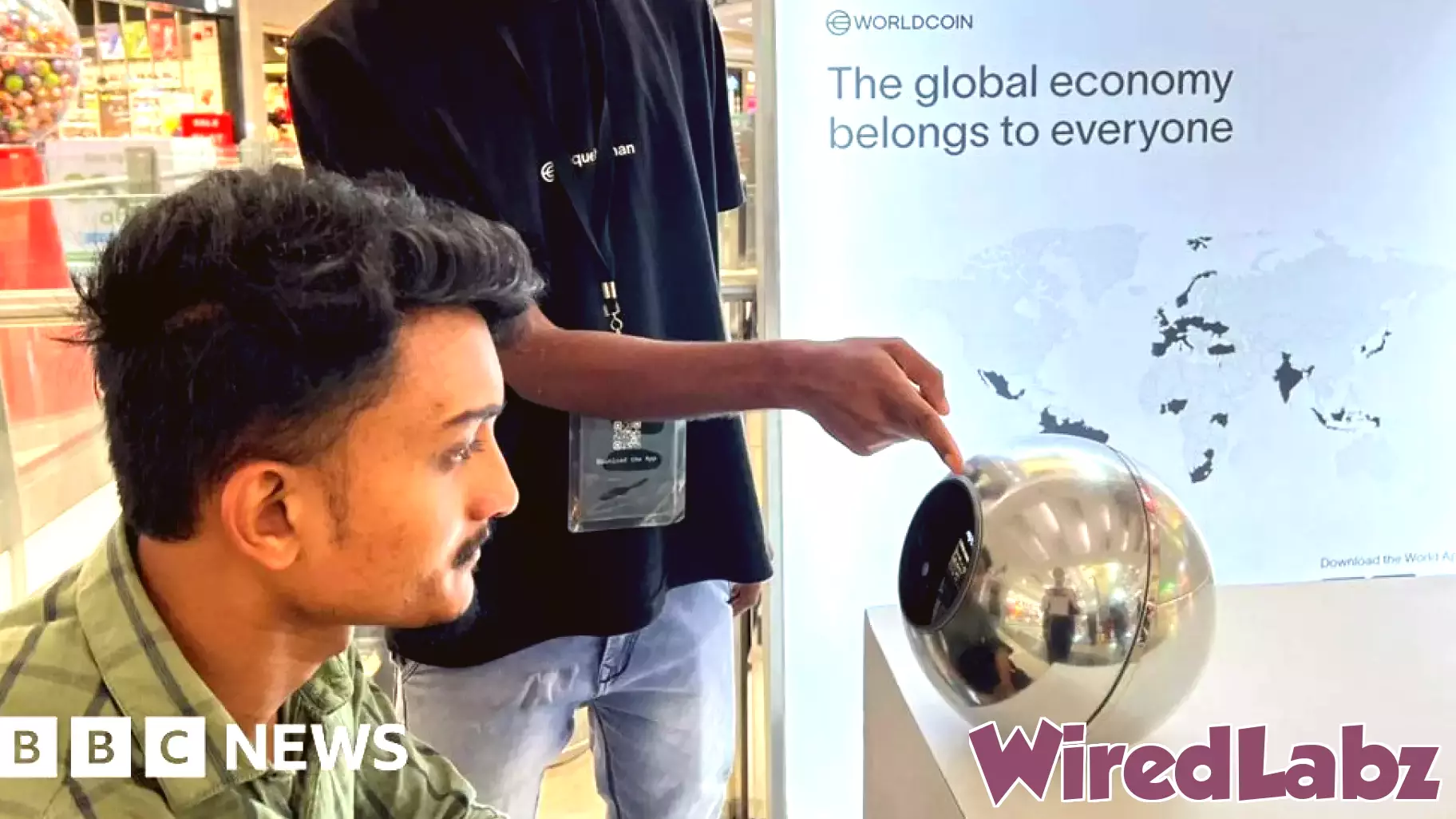
In a significant move to combat the escalating threat of artificial intelligence in digital spaces, major platforms are adopting biometric verification. Companies like Tinder and Zoom are now implementing "proof of humanity" checks through eye-scanning technology. This initiative directly targets the proliferation of sophisticated AI bots, fake accounts, and malicious scams that undermine security and trust online.
The core technology focuses on identifying a user's unique iris patterns, which are exceptionally difficult to forge or replicate synthetically. By requiring this scan during account creation or verification, platforms aim to create a formidable barrier against automated bad actors. Proponents argue this is a necessary evolution in digital identity, shifting from knowledge-based passwords to inherent biological traits.
The rise of deepfakes and AI-generated content has made traditional verification methods increasingly obsolete. This biometric solution promises a higher standard of assurance that a real person is behind an account or a meeting screen. While enhancing security, the move also sparks important conversations about privacy, data storage, and the ethical implications of widespread biological data collection in the commercial sphere. The industry is watching closely to see if this becomes the new standard for proving you are human online.
MORE NEWS

October 15, 2026 - 03:16
Tampa General Adopts New Device to Assess Donor Lungs Before TransplantDoctors at Tampa General Hospital are utilizing a device called the XVIVO Lung Perfusion Machine to evaluate donor lungs prior to transplant surgery. The technology allows medical teams to test how...

October 14, 2026 - 11:00
NVIDIA’s PTFE Strategy: The Hidden Technology Behind Next-Generation AI RacksThe race to build faster AI systems has long centered on chips. GPUs, high-bandwidth memory, advanced packaging and software stacks have absorbed most of the attention. But as AI moves from single...
October 13, 2026 - 19:21
Student-Led Farm Project Brings Fresh Food to CampusTwo graduate students in architecture have turned a patch of campus ground into a working farm, and in the process they are redefining what farm-fresh food means for their university...

October 13, 2026 - 03:21
Technology Is Reshaping the Future of Talk TherapyOnline telehealth platforms took off during the pandemic. And now AI has entered the chat. Is in-person counseling a thing of the past? The rapid shift to remote care changed how millions of...