Spire wins $28 Million NOAA contract to advance hyperspectral microwave sounding technology
August 27, 2026 - 04:31
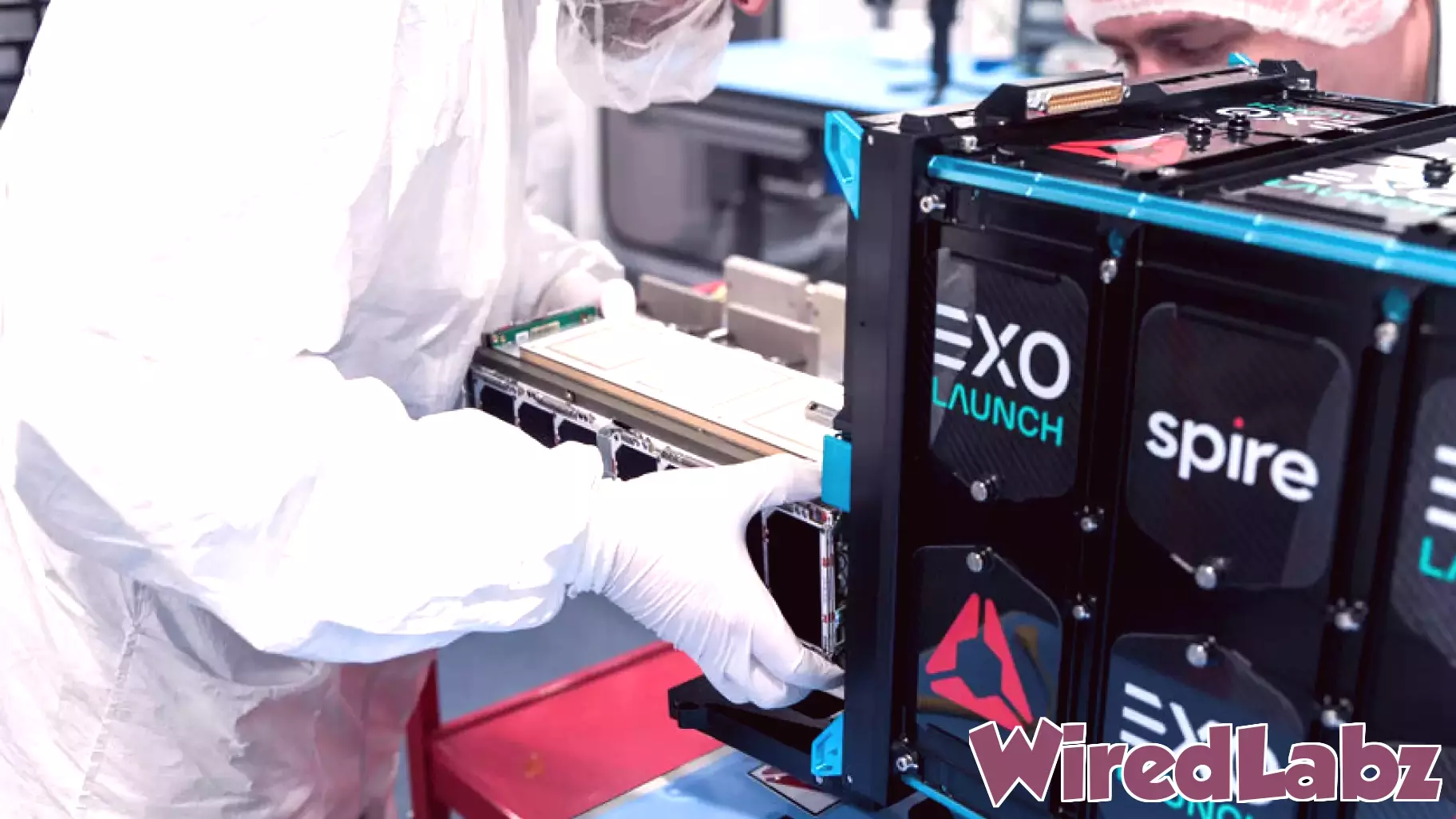
Spire Global has secured a $28 million contract with the National Oceanic and Atmospheric Administration to keep developing its hyperspectral microwave sounding technology. The deal, announced this week, is aimed at improving how weather data is collected from space, specifically by giving forecasters a sharper look at temperature and moisture profiles in the atmosphere.
The work will focus on refining sensors that can pick up a much wider range of microwave frequencies than traditional instruments. That wider spectrum means better readings even through clouds, which is a known weak spot for optical and infrared systems. Spire says the tech could help with everything from hurricane tracking to short-term storm prediction.
Under the contract, Spire will mature the design, build test units, and run ground validation. The goal is to get the hardware ready for a future space mission, though no launch date has been locked in yet. NOAA has been pushing for more advanced sounding capabilities as part of its broader effort to modernize weather observation, and this award is one piece of that puzzle.
Spire already operates a large constellation of small satellites for radio occultation data, which measures how GPS signals bend through the atmosphere. This new project is a different approach, but it fits the same niche: filling in gaps that large government satellites miss. The company has been vocal about wanting to be a bigger player in operational weather, and this contract gives it a solid foothold.
Financial terms beyond the headline figure were not disclosed, but the work is expected to run over the next couple of years. Spire will coordinate with NOAA's Center for Satellite Applications and Research on the technical milestones.
MORE NEWS
October 15, 2026 - 03:16
Tampa General Adopts New Device to Assess Donor Lungs Before TransplantDoctors at Tampa General Hospital are utilizing a device called the XVIVO Lung Perfusion Machine to evaluate donor lungs prior to transplant surgery. The technology allows medical teams to test how...

October 14, 2026 - 11:00
NVIDIA’s PTFE Strategy: The Hidden Technology Behind Next-Generation AI RacksThe race to build faster AI systems has long centered on chips. GPUs, high-bandwidth memory, advanced packaging and software stacks have absorbed most of the attention. But as AI moves from single...

October 13, 2026 - 19:21
Student-Led Farm Project Brings Fresh Food to CampusTwo graduate students in architecture have turned a patch of campus ground into a working farm, and in the process they are redefining what farm-fresh food means for their university...

October 13, 2026 - 03:21
Technology Is Reshaping the Future of Talk TherapyOnline telehealth platforms took off during the pandemic. And now AI has entered the chat. Is in-person counseling a thing of the past? The rapid shift to remote care changed how millions of...