Patients Show Decreased Preference for AI-Generated Messages When Aware of Technology Use
March 11, 2025 - 22:56
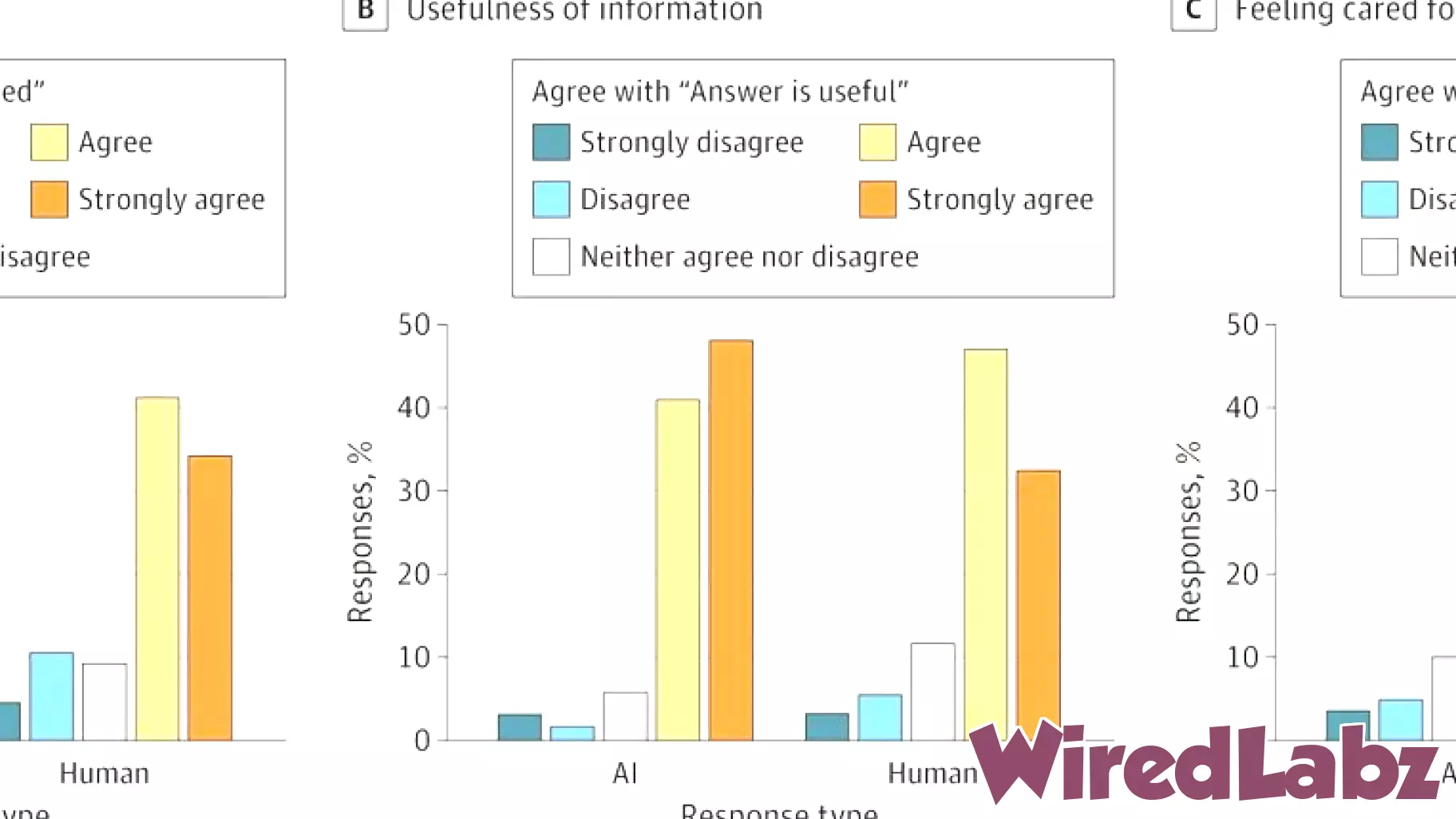
In a recent survey conducted by researchers at Duke Health, it was revealed that patients initially favored messages crafted by artificial intelligence (AI) over those written by human clinicians. However, this preference significantly declined when patients were informed that AI technology was involved in generating the messages.
The survey highlighted a complex relationship between patients and AI in healthcare communication. While many patients appreciated the efficiency and clarity of AI-generated messages, their trust diminished upon learning about the technology's involvement. This finding underscores the importance of transparency in healthcare interactions, as patients may feel more comfortable and connected to human-generated responses.
As healthcare continues to integrate advanced technologies, understanding patient perceptions and preferences will be crucial. The study suggests that while AI can enhance communication, it is essential to consider how the knowledge of AI's role may influence patient trust and engagement in their care.
MORE NEWS

October 27, 2026 - 04:50
Acquisition Deal Reached for IEP Technologies and Newson GaleMarlborough-based IEP Technologies and its affiliate Newson Gale are being acquired in a deal that will transfer ownership of both industrial safety businesses to a new parent company. The...

October 26, 2026 - 04:21
Amkor Technology: Nvidia's $3 Billion Vote Of Confidence Lands On A De-Rated StockAmkor Technology is drawing fresh attention after a major vote of confidence from Nvidia, a development that lands on a stock that had already been trading at a reduced valuation. The semiconductor...

October 25, 2026 - 18:09
Axon Chief Calls on Police to Help Guide Technology RulesPolice leaders should take an active role in shaping how new technology is regulated rather than leaving the decisions to others, according to the head of one of the largest suppliers of law...

October 24, 2026 - 23:29
Broadcom and Dell: Choosing Between AI Growth and Value in 2026Investors weighing exposure to artificial intelligence infrastructure face a sharp contrast between two very different companies. Broadcom delivers exceptional profitability, with net margins...