Jennifer Bires: Rebuilding the Oncology Ecosystem Around Human Needs
September 19, 2026 - 04:29
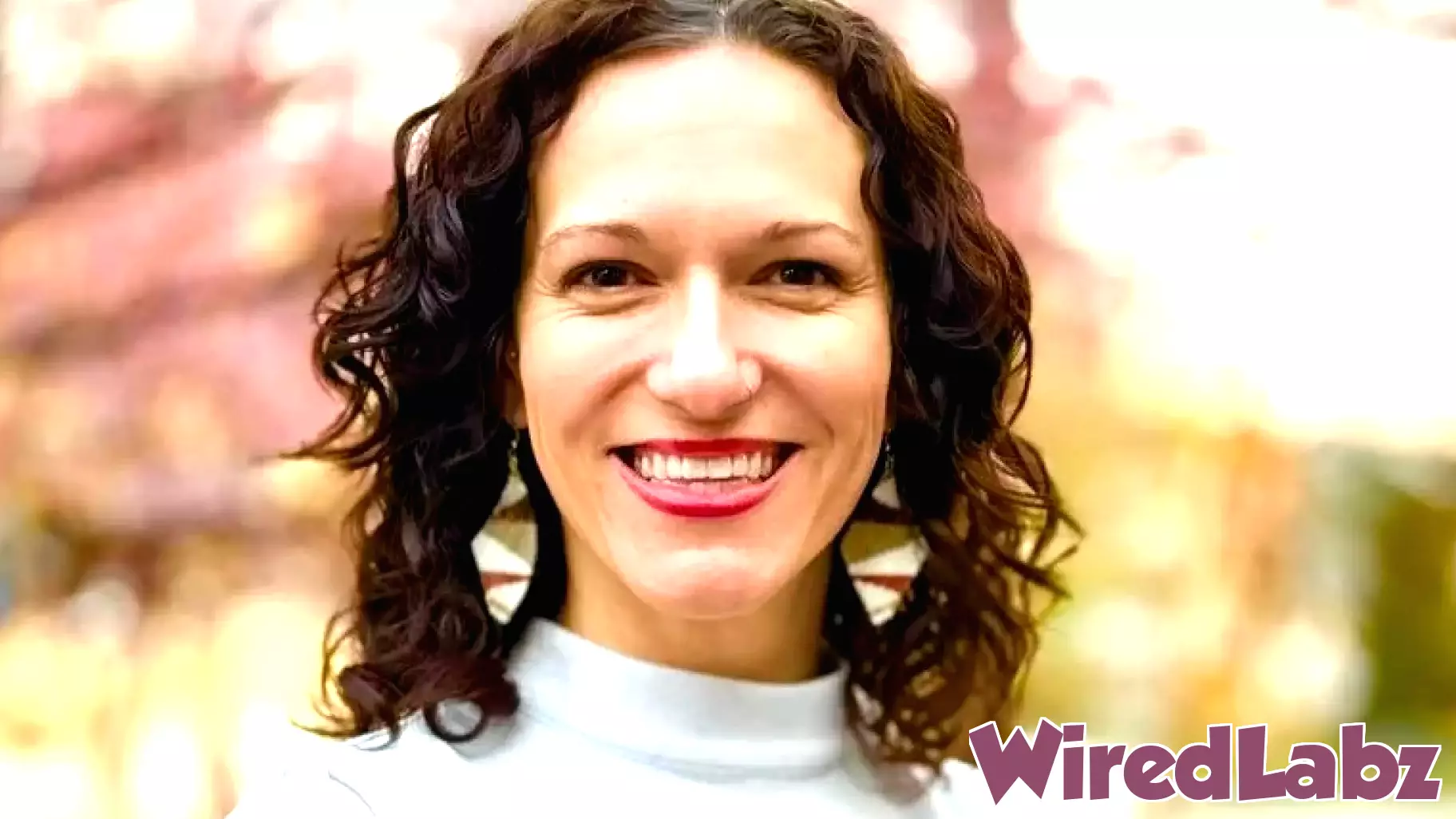
The oncology care system is facing a reckoning. For years, treatment advances have outpaced the infrastructure designed to deliver them, leaving patients and clinicians caught in a maze of fragmented services and administrative burdens. Jennifer Bires, a leading voice in cancer care reform, argues that the ecosystem needs more than incremental fixes. It needs a reboot.
Bires points to the growing disconnect between what cancer patients actually need and what the system provides. Appointments are scheduled around billing codes rather than human schedules. Support services like social work and mental health counseling remain siloed from clinical treatment. The result is a system that may extend life but often fails to sustain it well.
The conversation around reform has gained momentum through the work of figures like Arif Kamal, chief patient officer at the American Cancer Society, and Debra Patt, a practicing oncologist and health policy advocate. Both have pushed for models that integrate patient-reported outcomes and reduce the financial toxicity that accompanies treatment. Christopher Merlan, a researcher focused on health systems, has documented how administrative complexity drives burnout among oncology staff and erodes patient trust.
Bires argues that human-centered care is not a luxury but a clinical necessity. When patients feel heard, when their families are included in decisions, and when care teams have the time to coordinate, outcomes improve. That requires rethinking payment structures, staffing models, and the metrics used to define success.
The path forward, she suggests, begins with listening. Not just to patients but to the nurses, social workers, and navigators who see the gaps every day. A system rebuilt around those voices would look different. It would be slower in some ways, more deliberate, and far more humane.
MORE NEWS

September 18, 2026 - 04:45
EnGenius Appoints Rachel Saunders to Lead North American SalesEnGenius Technologies has announced the appointment of Rachel Saunders as Vice President of North American sales. Saunders steps into the role with more than 17 years of experience across...
September 17, 2026 - 12:12
Expert addresses concerns about AI technology’s future in West VirginiaCharleston, W.Va. - Artificial intelligence is quickly becoming a normal part of daily life, and as data centers continue to be built and planned across West Virginia, residents are asking what...

September 16, 2026 - 22:44
Seven with Missouri ties crack Forbes 400Two individuals connected to World Wide Technology have secured spots on this year`s Forbes 400 list of wealthiest Americans, continuing a trend of Missouri-affiliated billionaires gaining national...

September 16, 2026 - 11:33
Moody’s Tent Series returns to examine cultural memory and technologyWhen viewed from the side, the Provisional Campus Facility tents across from Herring Hall still look like COVID-19 testing facilities, part of their initial purpose when they opened in 2020. From...