Embracing Diverse Solutions for Net-Zero Emissions in Commercial Transport
April 30, 2025 - 20:30
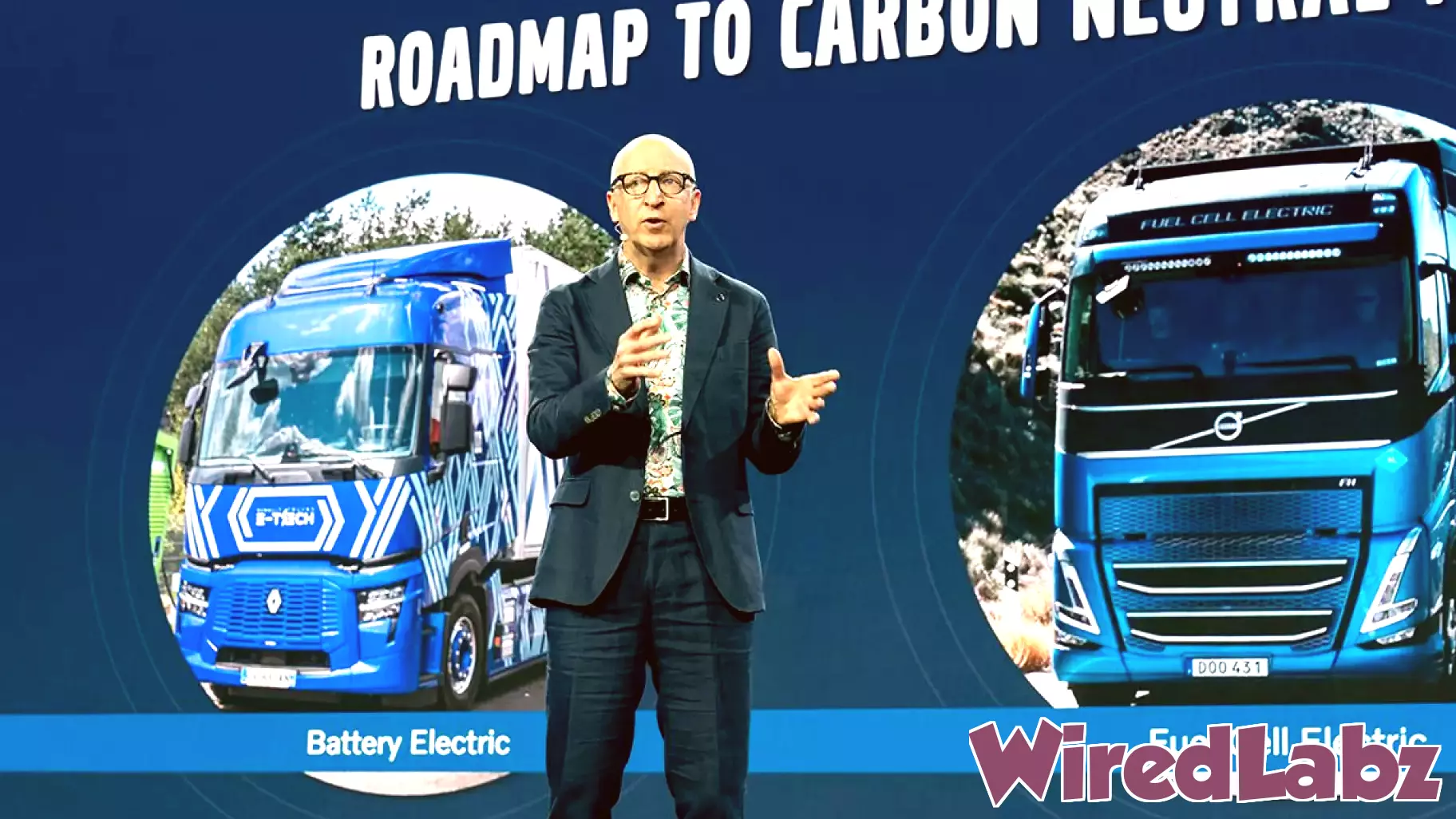
During a recent address at the ACT Expo, Lars Stenqvist emphasized the importance of a multi-faceted approach to achieving net-zero emissions in the commercial transport sector. He articulated that relying on a single technology or solution would not suffice to meet the ambitious climate goals set for the industry. Instead, a combination of various technologies, including electrification, hydrogen fuel cells, and advanced biofuels, will be essential.
Stenqvist highlighted the urgent need for collaboration among stakeholders, including manufacturers, policymakers, and researchers, to foster innovation and accelerate the adoption of these diverse solutions. He pointed out that each technology has its unique advantages and challenges, making it crucial to tailor strategies according to specific operational needs and regional contexts.
The message resonated strongly with the audience, as it underscored the complexity of the transition towards sustainable transport. Stenqvist’s vision advocates for a holistic approach, ensuring that the industry can effectively navigate the path to a greener future.
MORE NEWS

October 19, 2026 - 07:50
The Future Is Uncertain, and Anyone Claiming Otherwise Is GuessingTechnology keeps moving, and no one can say with confidence where it will land next. That is the uncomfortable truth behind the steady stream of confident predictions that fill headlines,...

October 18, 2026 - 20:01
PlayStation 6 Could Get Sony's Own Frame Generation Technology, Patent SuggestsA newly published patent application suggests Sony is developing its own frame generation technology, with the PlayStation 6 appearing to be the most likely destination, even though no specific...

October 18, 2026 - 02:12
FIT Tightens Drug Overdose Rules After Student DeathThe Fashion Institute of Technology will now require public safety supervisors to carry Narcan, the opioid overdose antidote, following the death of a student earlier this year. The policy change...
October 17, 2026 - 02:37
AI Companies Flock to Culver City as Hollywood Embraces New TechnologyCulver City is quickly becoming a hub for artificial intelligence companies as Hollywood studios show growing interest in AI tools for film and television production. The Los Angeles area...