‘Don’t Flock me’: California, U.S. lawmakers debate license plate reader technology
August 3, 2026 - 17:27
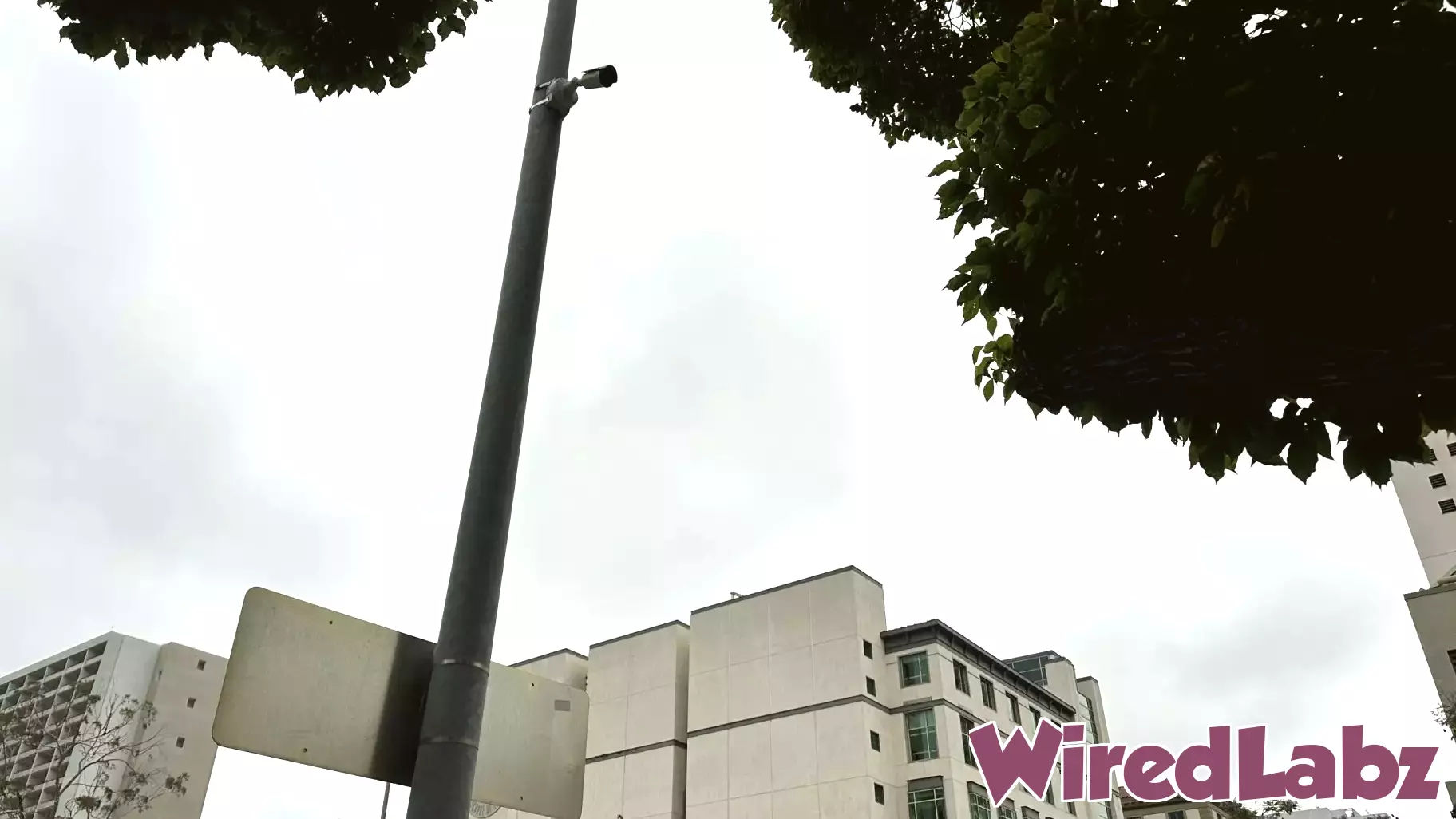
California drivers pass by thousands of automated cameras every day, whether mounted on freeway signs, streetlights, or the trunks of patrol cars. These license plate readers capture more than just numbers. They log location, time, and sometimes images of the vehicle and its occupants. Now, state and federal lawmakers are wrestling with how much surveillance is acceptable in the name of public safety.
The debate has turned personal in Sacramento, where a new bill would require police to delete plate data from innocent drivers within a set number of days. Currently, some agencies keep that information for months or even years. Privacy advocates argue that building a massive database of where people drive amounts to tracking without a warrant. Law enforcement counters that the technology helps recover stolen cars and solve violent crimes quickly.
At the federal level, a separate proposal would restrict how federal agencies share plate reader data with local police. That measure has drawn support from both civil liberties groups and some conservative lawmakers who worry about government overreach. But not everyone is convinced. Several police chiefs have testified that without long-term data, cold cases would go unsolved.
The tension is not new. Cities like San Diego and Oakland already limit how long they store plate scans. But California's patchwork of local rules has created confusion. A statewide standard could settle things, though the details remain contentious. One key question is whether private companies that operate many of these cameras should face the same rules as public agencies.
Supporters of stricter limits say the technology has quietly expanded beyond its original purpose. Originally used for toll collection and parking enforcement, it now feeds into real-time crime centers. That shift worries people who feel they are being watched every time they run an errand. One state senator put it bluntly: just because a person drives to the grocery store does not mean the government needs a record of that trip.
The outcome is far from certain. Lawmakers are still negotiating how long data can be kept and who gets to access it. Meanwhile, the cameras keep clicking. For now, the only thing drivers can do is assume they are being recorded. The question is whether the law will catch up to the technology before that assumption becomes permanent.
MORE NEWS

September 18, 2026 - 04:45
EnGenius Appoints Rachel Saunders to Lead North American SalesEnGenius Technologies has announced the appointment of Rachel Saunders as Vice President of North American sales. Saunders steps into the role with more than 17 years of experience across...
September 17, 2026 - 12:12
Expert addresses concerns about AI technology’s future in West VirginiaCharleston, W.Va. - Artificial intelligence is quickly becoming a normal part of daily life, and as data centers continue to be built and planned across West Virginia, residents are asking what...
September 16, 2026 - 22:44
Seven with Missouri ties crack Forbes 400Two individuals connected to World Wide Technology have secured spots on this year`s Forbes 400 list of wealthiest Americans, continuing a trend of Missouri-affiliated billionaires gaining national...
September 16, 2026 - 11:33
Moody’s Tent Series returns to examine cultural memory and technologyWhen viewed from the side, the Provisional Campus Facility tents across from Herring Hall still look like COVID-19 testing facilities, part of their initial purpose when they opened in 2020. From...