Defining Broadcast AV with Matrox ConvertIP technology
August 9, 2026 - 12:34
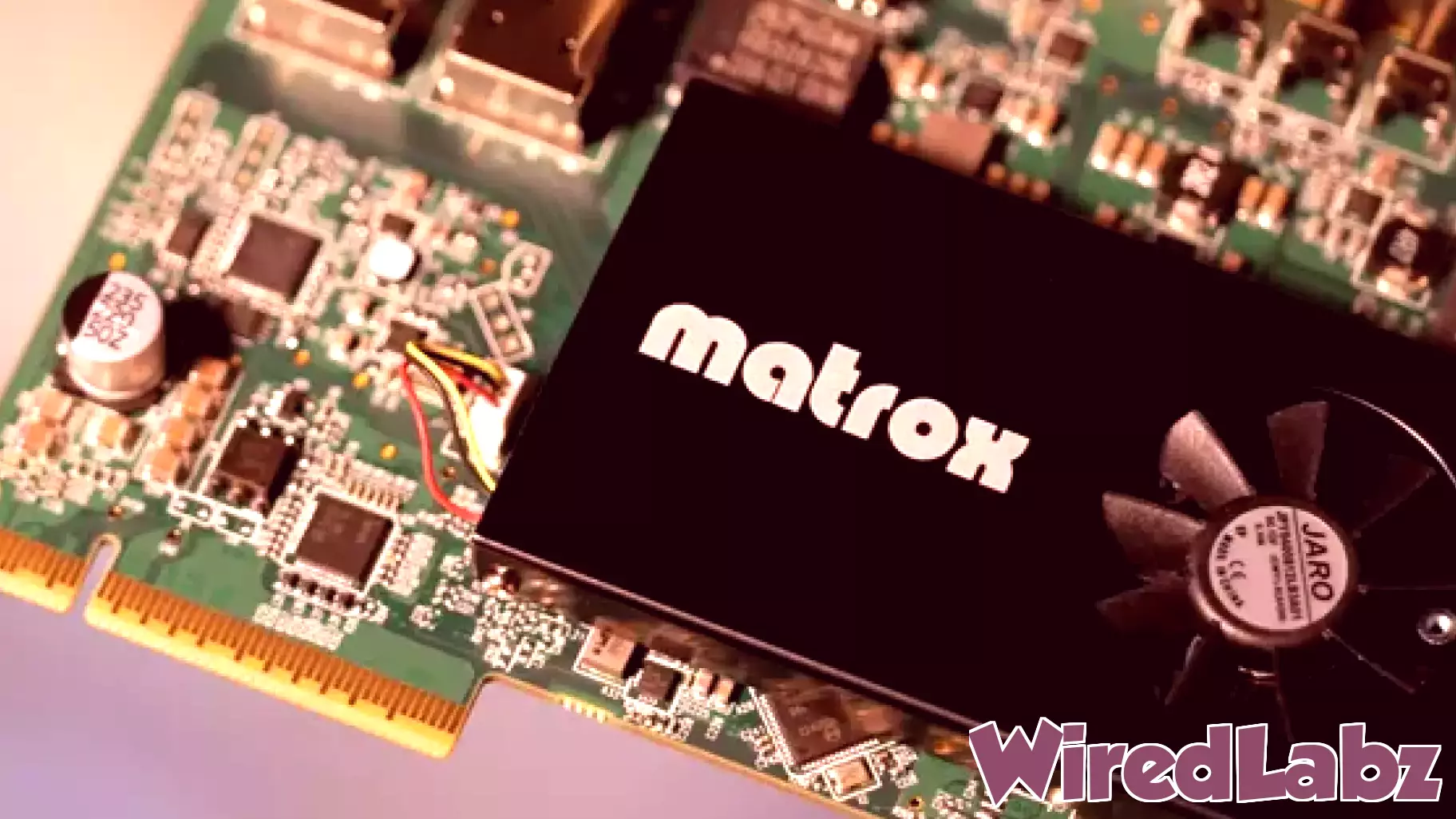
The lines between traditional broadcasting and professional audiovisual systems are fading fast. As demand grows for higher quality, seamless interoperability, and greater flexibility, the standards that once defined television studios are now becoming the baseline for live events, hospitals, universities, and corporate environments. This shift is not just about better images or clearer sound. It is about adopting a mindset where reliability and precision are non-negotiable.
At the heart of this transformation is a focus on IP-based workflows. Unlike older point-to-point connections, IP allows AV signals to travel over standard networks, making it easier to route, scale, and manage content across large facilities or multiple venues. This approach mirrors what broadcasters have done for years, but now it is accessible to a much wider range of users. A conference room, an operating theater, or a lecture hall can all benefit from the same robust infrastructure that supports a live news production.
The key is not just moving video over a network. It is about doing so with low latency, strict synchronization, and full control over every signal. That requires technology designed from the ground up for mission-critical use, not adapted from consumer gear. Equipment must handle encoding, decoding, and switching without introducing errors or delays that would be unacceptable in a live setting.
What makes this shift possible is the growing maturity of standards and hardware that embrace these broadcast principles. Devices now offer the ability to convert between different signal types, manage bandwidth efficiently, and integrate with existing control systems. This means AV managers can build systems that are future-proof, easier to expand, and less dependent on proprietary cabling or single-vendor lock-in.
For end users, the benefit is straightforward: a more reliable experience, whether they are watching a surgeon's display, following a presenter on stage, or collaborating in a hybrid meeting. The technology works quietly in the background, ensuring that the focus stays on the content and the people, not on the gear.
As this convergence continues, the distinction between broadcast and AV will matter less and less. What will matter is the ability to deliver high-quality, dependable audiovisual experiences anywhere they are needed. That is the new standard, and it is being built on the same principles that have guided broadcasting for decades.
MORE NEWS

September 23, 2026 - 04:32
Local Coverage Expands Across Connecticut and the NortheastResidents across Connecticut and the wider Northeast region now have access to a broader mix of daily reporting that covers the issues shaping their communities. The coverage spans weather, traffic...

September 22, 2026 - 21:18
Global Leaders Confront AI Risks at High-Level SummitWorld leaders gathered this week to address the rapid rise of artificial intelligence, placing the technology at the center of international discussions about security, governance, and human rights...

September 22, 2026 - 01:23
RLX Technology (RLX) Moved Today, What Is Driving Fresh Attention?RLX Technology has been dropped from the FTSE All-World Index in its USD version. The change matters because index membership often shapes how institutions hold a stock. When a company leaves a...

September 21, 2026 - 23:28
Priority Technology To Go Private In $1.6 Billion Deal Led By CEO Thomas PriorePriority Technology Holdings has entered into a definitive agreement to be taken private by an investor group led by Chairman and CEO Thomas Priore in an all-cash transaction carrying an enterprise...