Breakthrough AI System Uncovers Aluminum-Tolerant Microorganisms
November 27, 2024 - 14:10
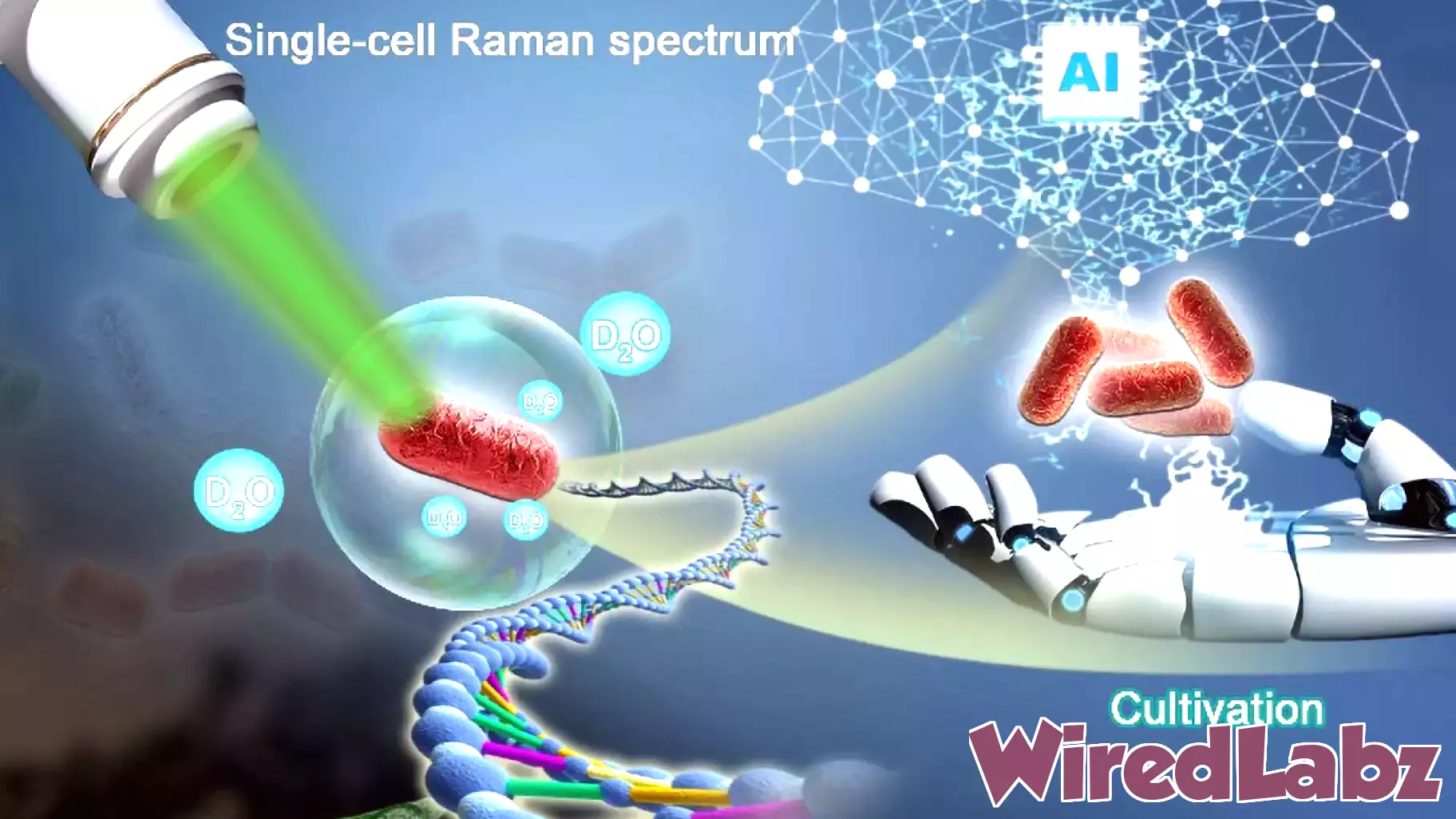
The AI-RACS system, developed by researchers at the Chinese Academy of Sciences, automates the isolation of aluminum-tolerant microorganisms, marking a significant advancement in microbial research through high-throughput workflows. This innovative technology, created by the Single-Cell Center at the Qingdao Institute of Bioenergy and Bioprocess Technology, enhances the efficiency and accuracy of identifying microorganisms that can thrive in aluminum-rich environments. The ability to isolate these unique organisms could lead to new insights in biotechnology and environmental science.
MORE NEWS
October 25, 2026 - 18:09
Axon Chief Calls on Police to Help Guide Technology RulesPolice leaders should take an active role in shaping how new technology is regulated rather than leaving the decisions to others, according to the head of one of the largest suppliers of law...

October 24, 2026 - 23:29
Broadcom and Dell: Choosing Between AI Growth and Value in 2026Investors weighing exposure to artificial intelligence infrastructure face a sharp contrast between two very different companies. Broadcom delivers exceptional profitability, with net margins...

October 24, 2026 - 09:31
Three Dividend-paying Technology Leaders to Buy Amid AIThree dividend-paying technology leaders to buy amid AI give investors a chance to catch the next upswing in their share prices. Following a sharp pullback earlier this year, several large tech...

October 23, 2026 - 20:35
Technology and Patient Focus Reshape Modern Care DeliveryHealth care organizations are increasingly turning to technology not as an end in itself but as a means to build operational models that can grow without sacrificing quality. Alejandro Torres, CEO...