AI used to create viruses not found in nature for first time
August 7, 2026 - 06:56
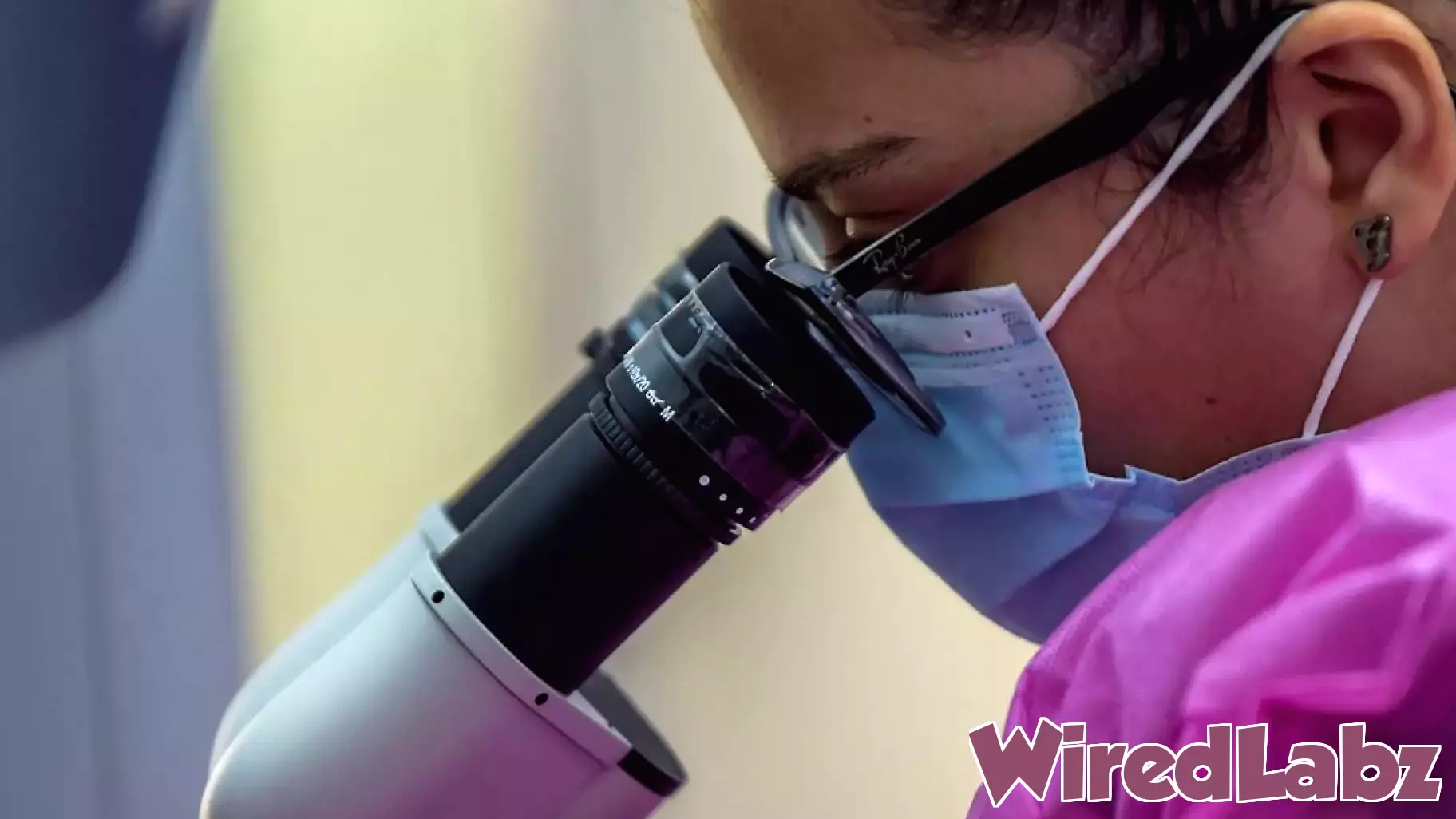
A team of researchers in the United States has announced the creation of 16 new viruses that do not exist in nature, marking the first time artificial intelligence has been used to design such pathogens from scratch. The work, detailed in a recent preprint, has sparked both excitement about potential medical breakthroughs and alarm over the possibility of misuse.
The viruses, built using a custom AI model trained on vast datasets of viral genomes, were not simply copied from existing strains. Instead, the system generated novel sequences that could be assembled in the lab and successfully infected host cells. According to the scientists, this approach could dramatically speed up vaccine development and open new avenues for gene therapy, where tailored viruses deliver corrective genetic material to patients.
However, the same capability raises serious biosecurity concerns. Because the AI can produce pathogens with unknown properties, there is a risk that malicious actors could use similar tools to engineer more dangerous agents. The researchers stress that their work was conducted under strict biosafety protocols, and they have limited the release of certain technical details to prevent immediate replication.
Experts are divided on how to proceed. Some argue that publishing the findings is essential for scientific transparency and for building defensive countermeasures. Others call for tighter international oversight of AI-driven biological research, noting that current regulations lag far behind the technology. The study has not yet been peer reviewed, but it has already ignited a debate about how to balance innovation with safety in an era where digital code can become living threat.
MORE NEWS

September 21, 2026 - 12:35
IBM Secures $1 Billion Federal Grant to Build First US Quantum Chip FoundryThe federal government handed IBM $1 billion last week to help build the first pure play quantum wafer foundry in the United States. The award marks a significant shift in how the country...

September 20, 2026 - 18:34
The Long History of Panic Over New ToolsEvery generation seems to greet its newest technology with a familiar wave of fear. When mechanized looms arrived, workers worried that their skills would become worthless. When calculators reached...

September 20, 2026 - 03:37
AMD's FSR 4.1 technology has shown advantages over DLSS in rendering foliage and hair.Users of thematic communities have noted the distinctive advantage of AMD`s FSR 4.1 scaling technology over competing solutions in specific visual scenarios. According to multiple reports, the...

September 19, 2026 - 22:53
How Investors May Respond To Align Technology (ALGN) Lower Revenue GuidanceAlign Technology recently presented at the 2026 Global Healthcare Conference in New York, with CFO John F. Morici and IR lead Madelyn Valente outlining the company`s position after reporting...