AI is outgrowing its hardware; an ASU researcher is developing adaptable chips to meet the challenge
April 16, 2026 - 19:26
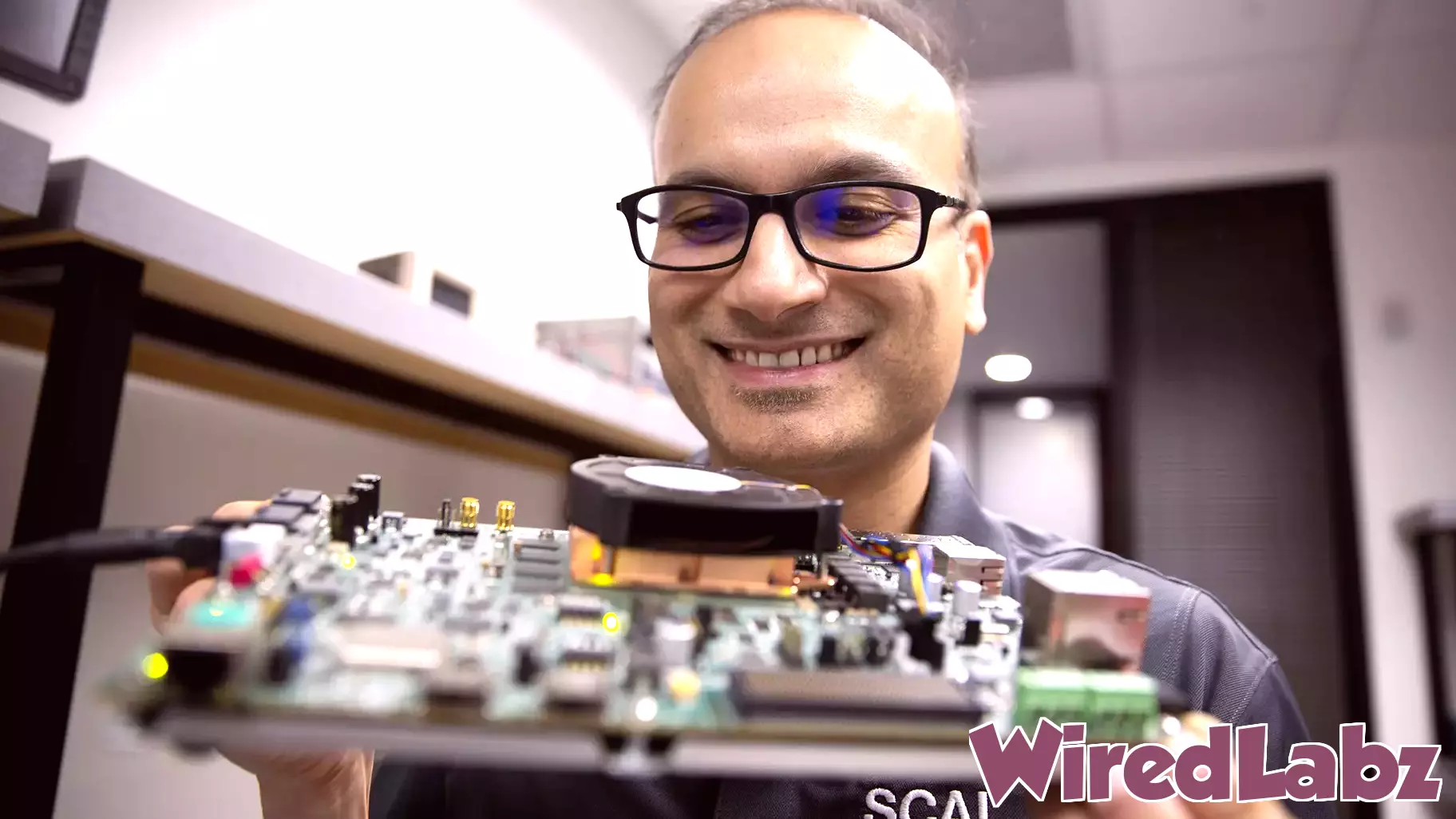
The relentless advance of artificial intelligence is hitting a formidable wall: the physical limits of the very hardware it runs on. As AI models grow exponentially in size and complexity, traditional computer chips are struggling to keep pace, creating a critical bottleneck for future innovation.
For years, the industry relied on Moore's Law, the principle of regularly doubling transistor counts, to deliver consistent leaps in computing power. That era is now ending. Performance gains have slowed dramatically, while the energy required to train and run massive AI systems has skyrocketed. The one-size-fits-all computing architecture is proving inefficient for the specialized, parallel workloads that modern AI demands.
In response, researchers are pioneering a radical shift toward adaptable hardware. The new frontier involves creating reconfigurable microchips that can dynamically change their structure to fit specific computational tasks. Unlike static processors, these chips would morph their circuitry on the fly, optimizing themselves for different algorithms within an AI model. This approach promises not only significant speed improvements but also drastic reductions in power consumption.
This transition marks a fundamental rethinking of computer design. The future of AI acceleration may no longer depend solely on raw transistor density, but on intelligent, flexible silicon that can evolve alongside the software it supports.
MORE NEWS

October 14, 2026 - 11:00
NVIDIA’s PTFE Strategy: The Hidden Technology Behind Next-Generation AI RacksThe race to build faster AI systems has long centered on chips. GPUs, high-bandwidth memory, advanced packaging and software stacks have absorbed most of the attention. But as AI moves from single...

October 13, 2026 - 19:21
Student-Led Farm Project Brings Fresh Food to CampusTwo graduate students in architecture have turned a patch of campus ground into a working farm, and in the process they are redefining what farm-fresh food means for their university...

October 13, 2026 - 03:21
Technology Is Reshaping the Future of Talk TherapyOnline telehealth platforms took off during the pandemic. And now AI has entered the chat. Is in-person counseling a thing of the past? The rapid shift to remote care changed how millions of...

October 12, 2026 - 02:04
How Technology Shapes the Power of Self-GovernanceTechnology gives us power. Agency determines what we do with it. That tension sits at the heart of modern self-governance. Digital tools have made it easier for communities to organize, vote,...