19th century real estate agents used ‘peepshow’ technology to sell glitzy mansion
August 8, 2026 - 01:15
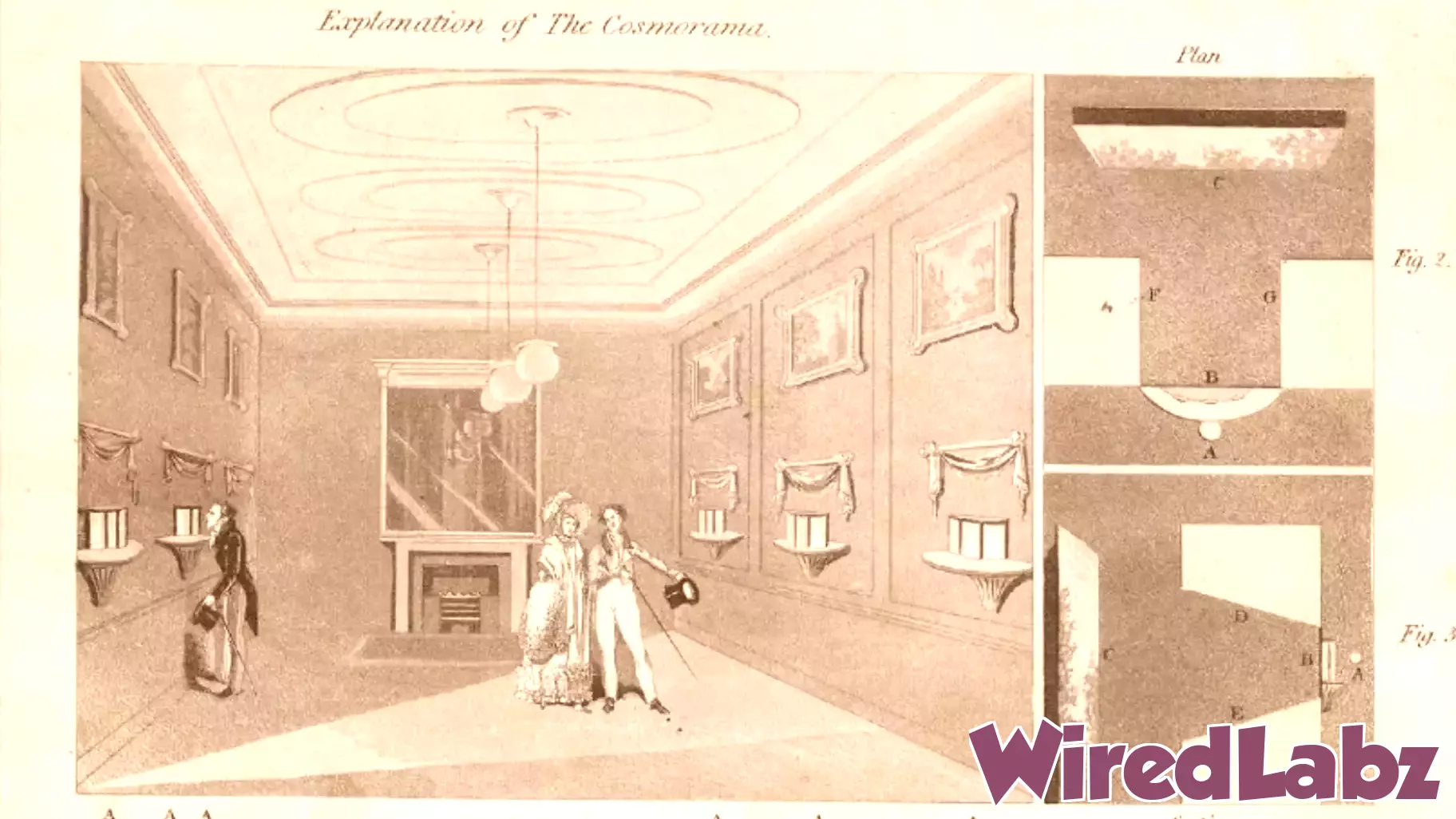
Before Zillow, before glossy real estate brochures, there was the cosmorama. In the 1840s, wealthy home sellers and developers in Europe and America turned to these handheld viewing boxes to show off lavish properties. The device worked like a portable theater: a small wooden case with a magnifying lens on one side. Inside, a carefully painted, backlit scene of a grand mansion or manicured garden gave the viewer the illusion of standing right on the property line. It was an 1840s version of a virtual tour, minus the pixels.
The trick was all in the lighting and perspective. Artists painted the scenes with exaggerated depth, and the lens did the rest. A buyer could hold the box up to a window, peer inside, and feel as though they were strolling up a gravel driveway toward a neoclassical facade. Real estate agents carried these boxes door to door, or set them up in their offices, letting clients flip through a stack of painted "listings" without ever leaving the city.
The name came from the Greek words for "world" and "view," and the devices were a hit at fairs and exhibitions before they found their real estate niche. Some were large, tabletop models with multiple viewing holes, while others were small enough to fit in a coat pocket. The paintings were often more flattering than reality, smoothing over cracked stonework or adding a few extra trees to the lawn. Sound familiar? The marketing instinct hasn't changed, only the technology. By the 1860s, photography began to replace the painted scenes, and the cosmorama faded into obscurity. But for a brief, glittering moment, a peepshow was the most persuasive sales tool a realtor owned.
MORE NEWS

September 21, 2026 - 23:28
Priority Technology To Go Private In $1.6 Billion Deal Led By CEO Thomas PriorePriority Technology Holdings has entered into a definitive agreement to be taken private by an investor group led by Chairman and CEO Thomas Priore in an all-cash transaction carrying an enterprise...

September 21, 2026 - 12:35
IBM Secures $1 Billion Federal Grant to Build First US Quantum Chip FoundryThe federal government handed IBM $1 billion last week to help build the first pure play quantum wafer foundry in the United States. The award marks a significant shift in how the country...

September 20, 2026 - 18:34
The Long History of Panic Over New ToolsEvery generation seems to greet its newest technology with a familiar wave of fear. When mechanized looms arrived, workers worried that their skills would become worthless. When calculators reached...

September 20, 2026 - 03:37
AMD's FSR 4.1 technology has shown advantages over DLSS in rendering foliage and hair.Users of thematic communities have noted the distinctive advantage of AMD`s FSR 4.1 scaling technology over competing solutions in specific visual scenarios. According to multiple reports, the...