What Makes a Touchscreen Device Truly "Pro"?
31 May 2026
In today’s tech-savvy world, it feels like "Pro" devices are everywhere. Whether it's smartphones, tablets, or laptops, manufacturers are slapping the word "Pro" onto their latest offerings like it’s a badge of honor. But what does it actually mean for a touchscreen device to be "Pro"? Is it just a marketing gimmick, or is there more going on under the hood?
Let’s dig deeper and find out exactly what makes a touchscreen device truly "Pro."
1. Performance That Packs a Punch
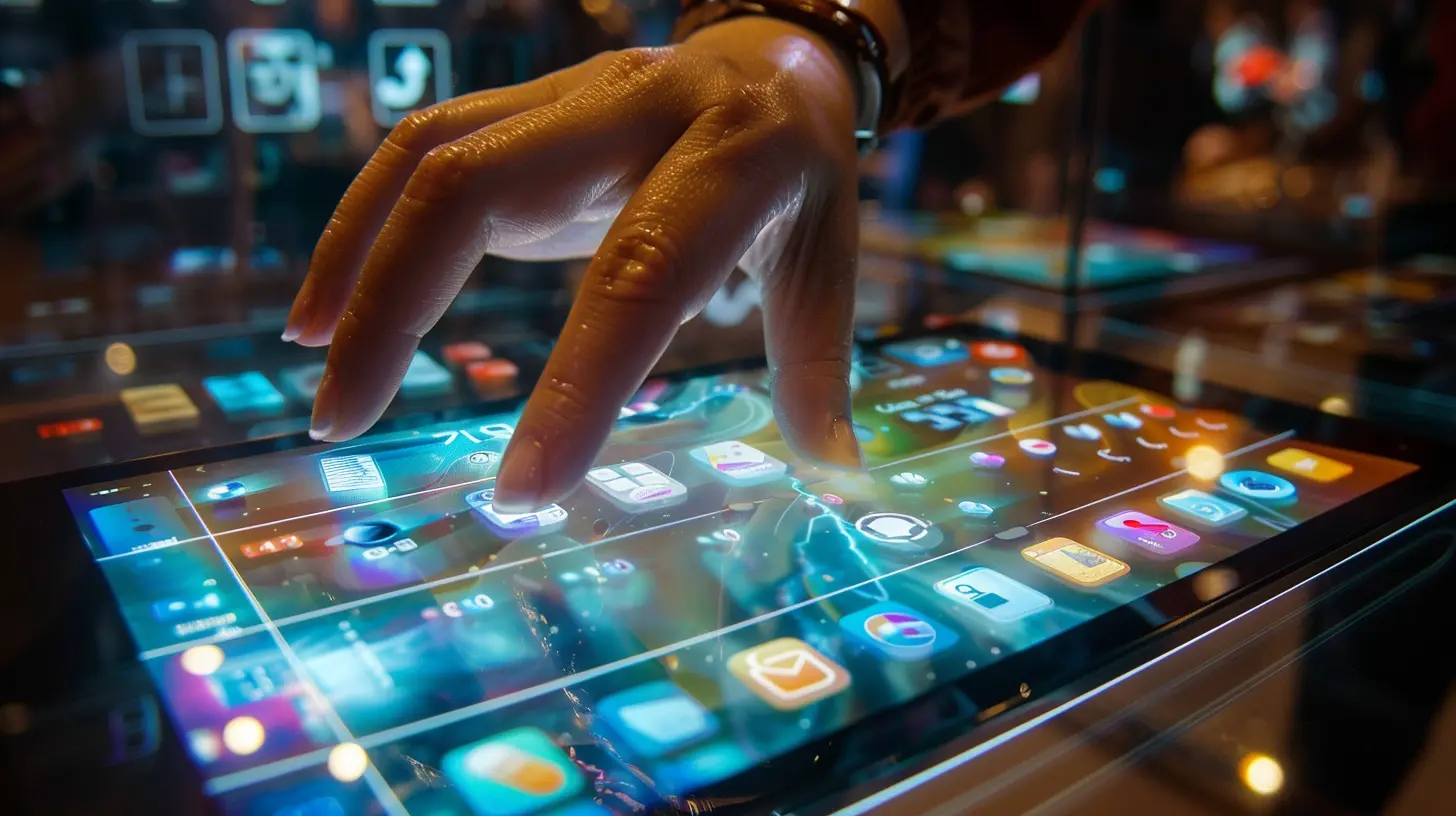
Let’s be real: For any device to be labeled as "Pro," it needs to deliver when it comes to performance. It’s like a sports car – sure, it might look sleek, but if it doesn’t have the horsepower, you’re not really going anywhere fast.A Processor That Can Keep Up
At the heart of every "Pro" touchscreen device is a high-performance processor. This isn’t just about speed; it’s about multitasking without breaking a sweat. Whether you’re editing videos, running multiple apps, or gaming with high graphics settings, a "Pro" device needs to handle it all seamlessly.Think of the processor as the brain of the device. A standard chipset might be fine for your average user, but for professionals or power-users, you need something more robust. Devices like the iPad Pro or the Samsung Galaxy Tab S series come equipped with processors designed for heavy-duty tasks. These aren’t just for checking emails or scrolling through Instagram – these are powerhouse devices meant for productivity and creativity.
RAM - The Unsung Hero
It’s not just about the processor, though. RAM plays a crucial role in determining how "Pro" your touchscreen device really is. The more RAM, the better the device can handle multiple tasks simultaneously. Imagine trying to run a marathon while juggling – that’s a lot like what your device has to do when running multiple apps at once.A "Pro" device typically offers higher RAM, often in the 8GB to 16GB range for tablets and even more for laptops. This ensures that your device doesn’t slow down when you’ve got 20 tabs open, are editing a 4K video, and running Spotify in the background.

2. Display That Dazzles
A touchscreen device is only as good as the screen you’re touching, right? After all, the display is your primary window into the digital world. If a device wants to be considered "Pro," it has to offer a display that not only looks good but feels responsive and smooth. No one wants to deal with lag or dull colors when they’re working on important projects or enjoying their favorite media.High Resolution and Pixel Density
First up, let's talk resolution. A "Pro" device must have a sharp, crisp display – we’re talking high resolution, usually 2K or higher. The more pixels you can pack into the screen, the better the clarity, especially for tasks like photo and video editing.For example, Apple’s iPad Pro flaunts its Liquid Retina display, offering a stunning visual experience with true-to-life colors and deep contrasts. Devices like the Microsoft Surface Pro also push the envelope with super high resolutions, making them perfect for creative professionals who need to see every fine detail.
Refresh Rate and Responsiveness
But it’s not just about how many pixels are packed into the display. The refresh rate is equally important for a "Pro" touchscreen device. A 120Hz refresh rate is becoming the norm for high-end devices, meaning the screen refreshes 120 times per second. This makes everything feel buttery smooth, whether you’re swiping through apps, sketching out designs, or watching videos.If you’ve ever used a device with a 60Hz refresh rate and then switched to one with a 120Hz display, you’ll notice the difference immediately. It’s like switching from a standard bicycle to an electric one – everything just feels faster, more fluid, and effortless.
Color Accuracy and Calibration
Professionals, especially those in the creative field, demand accurate colors. Whether you're editing photos, designing graphics, or working on a video project, color accuracy is key. A "Pro" touchscreen device should have excellent color calibration out of the box, supporting industry standards like DCI-P3 or Adobe RGB for vibrant, true-to-life colors.
3. Precision Input Methods
If you’re a professional, you’re likely not just using your touchscreen device to tap around. You need precision. Whether you're sketching, writing, or manipulating designs, the input tools need to feel natural and responsive.Stylus Support
A "Pro" touchscreen device usually comes with or supports a stylus – but not just any stylus. We’re talking about a stylus that feels like a natural extension of your hand. The Apple Pencil, Surface Pen, and Samsung's S Pen are great examples. They offer pressure sensitivity, tilt detection, and virtually no lag, allowing you to draw, write, or edit with pinpoint accuracy.Imagine trying to paint with a brush that doesn't respond to how hard you're pressing. Frustrating, right? That’s why an excellent stylus is crucial for any "Pro" device.
Palm Rejection Technology
Another critical feature is palm rejection. When you’re using a stylus, the last thing you want is your hand accidentally triggering inputs. Advanced palm rejection technology ensures that the screen recognizes what’s intentional and what’s not, making the experience much smoother and more intuitive.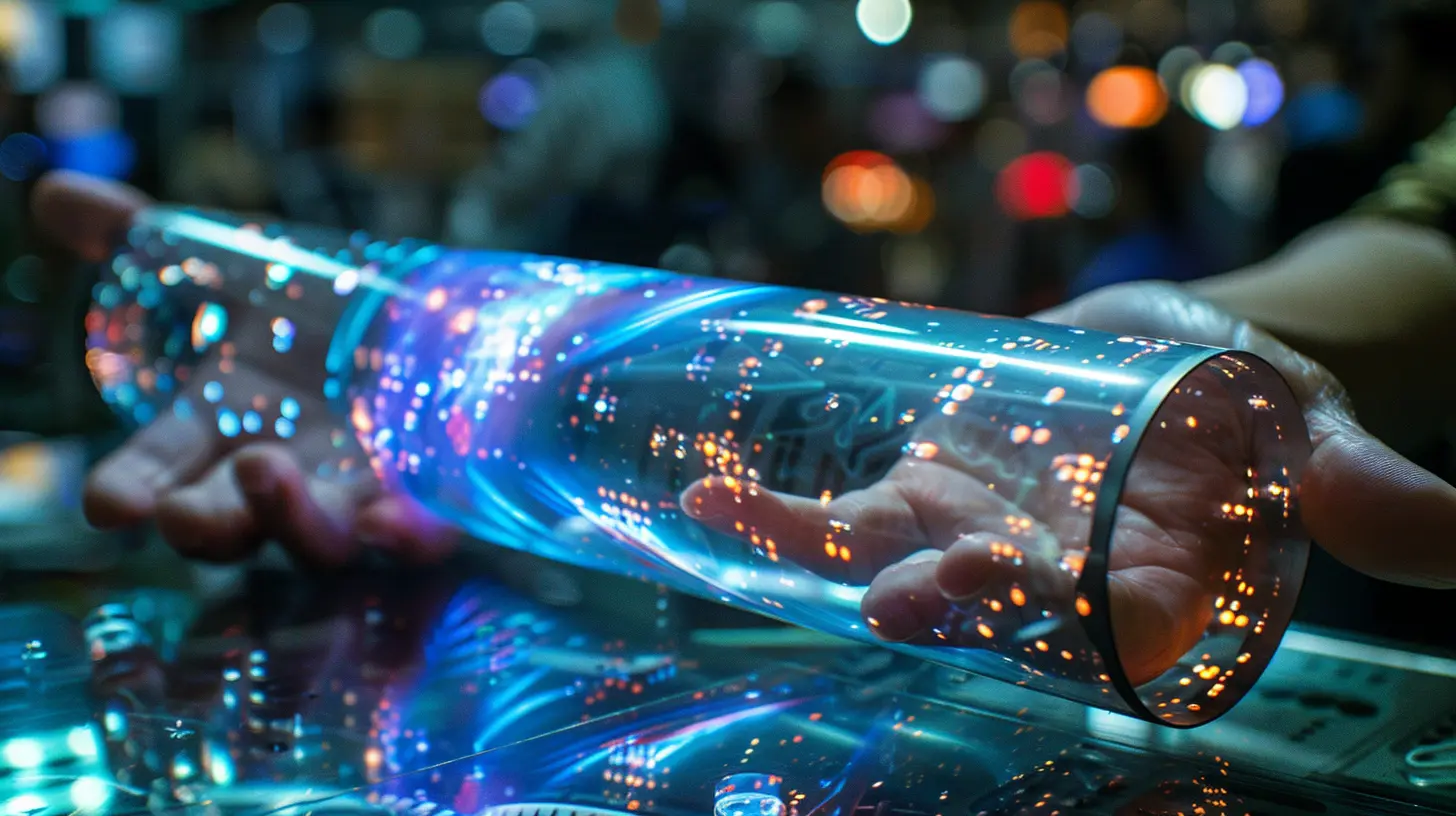
4. Battery Life That Lasts
For a device to be considered "Pro," it has to be able to keep up with your busy lifestyle. It’s no good having all that power and performance if you constantly need to hunt for an outlet.All-Day Battery Life
Most "Pro" devices boast an all-day battery life. This means you can go from morning meetings to late-night editing sessions without needing to recharge. Devices like the iPad Pro and Surface Pro promise around 10 hours or more of battery life, even with heavy use.Battery life is often the unsung hero of a "Pro" device. It’s the difference between getting through a workday without stress or being tethered to a charger. And let’s be honest – no one wants to carry around a power bank just to make it through a Netflix binge, let alone a workday.
5. Build Quality and Design
A "Pro" device doesn’t just need to perform well; it also needs to look and feel premium. It’s like wearing a tailored suit – not only does it have to fit well, but it also has to make a statement.Premium Materials
Most "Pro" devices are built with high-end materials like aluminum or glass, giving them a sturdy, premium feel. These materials not only look good but also provide durability. After all, a "Pro" device should be able to withstand the rigors of daily use, whether you’re commuting to work or traveling for business.Slim and Portable
Despite their powerful internals, "Pro" touchscreen devices are usually slim and lightweight. This makes them easy to carry around, whether you’re traveling for work or just moving from room to room. The design is sleek and minimal, often with narrow bezels that maximize screen space.
6. Software That Enhances Productivity
Finally, a "Pro" device isn’t just about hardware – the software needs to be just as capable. Whether it's iPadOS, Android, or Windows, the operating system should offer features that boost productivity and creativity.Multitasking Features
Multitasking is crucial for professional work. A "Pro" device should allow you to run multiple apps side-by-side, seamlessly switch between tasks, and offer robust file management systems. Features like split-screen modes, drag-and-drop functionality, and app docking can transform how you work.Professional Apps
A true "Pro" device should support professional-grade apps. We're talking about apps for video editing, graphic design, coding, and more. The iPad Pro, for instance, offers apps like Adobe Photoshop and LumaFusion, while Windows tablets support full desktop applications like Adobe Premiere and AutoCAD.Conclusion: The True Mark of a "Pro" Device
So, what makes a touchscreen device truly "Pro"? It's a combination of powerful hardware, stunning display quality, precision input methods, long-lasting battery life, premium build, and productivity-enhancing software. When all of these elements come together, you get a device that can handle whatever you throw at it, whether you’re a creative professional, a business user, or a tech enthusiast.In short, a "Pro" device isn’t just a marketing term – it’s a tool designed to help you do more, faster, and better. It’s the Swiss Army knife of the tech world, capable of adapting to whatever task you need it for, without breaking a sweat.
all images in this post were generated using AI tools
Category:
Touchscreen DevicesAuthor:

Kira Sanders
Discussion
rate this article
2 comments
Diana Wallace
A truly "Pro" touchscreen device blends advanced hardware, seamless software integration, and user-centric design. It enhances productivity, ensuring precision and responsiveness that meet the demands of professional users across various fields.
July 17, 2026 at 10:46 AM
Kira Sanders
I appreciate your insights. A true pro device indeed balances hardware, software, and design to elevate user experience and productivity.
Indigo Martinez
Embrace innovation; a true pro device enhances creativity!
June 2, 2026 at 2:52 AM
Kira Sanders
Absolutely! A pro device not only innovates but also inspires creativity in ways we never thought possible.