What Happens When AI Becomes a Legal Entity?
4 November 2026
The emergence of artificial intelligence (AI) has sparked discussions across various fields, especially in law and ethics. As AI technology continues to evolve, the question of whether AI can or should become a legal entity is gaining traction. This article delves into the implications, advantages, challenges, and potential future of AI as a legal entity.

Understanding Legal Entities
Definition of a Legal Entity
A legal entity is an organization or individual recognized by law as having rights and obligations. This includes the ability to enter contracts, sue or be sued, and own property. Legal entities typically encompass corporations, partnerships, and non-profits. The recognition of an entity under law provides a framework within which it operates, defining its rights and responsibilities.Types of Legal Entities
1. Natural Persons: These are human beings who have legal rights and responsibilities.2. Artificial Persons: These include corporations and organizations that are recognized as having a separate legal identity from their owners or members.
Understanding these categories is essential, as it sets the stage for contemplating AI's potential role as a legal entity.
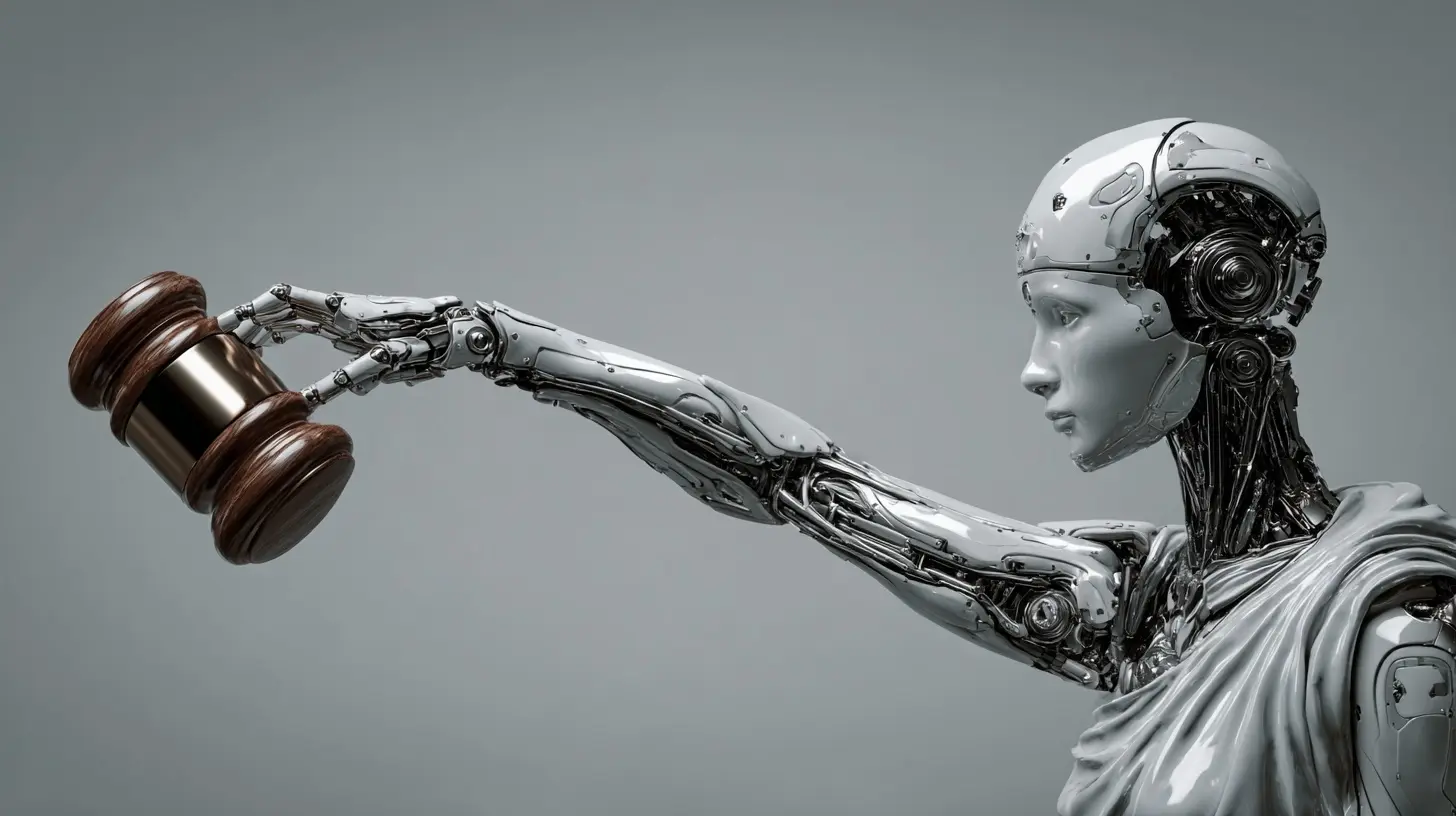
The Case for AI as a Legal Entity
Autonomy and Decision-Making
One of the compelling arguments for granting legal recognition to AI is its potential to make autonomous decisions. With advancements in machine learning and data analysis, AI systems can process vast amounts of information and make decisions faster than humans. For instance, AI-driven systems in finance can analyze market trends and execute trades at optimal moments, creating scenarios where legal accountability is essential.Liability Issues
If an AI system causes harm, existing legal frameworks can struggle to assign liability. For example, consider an autonomous vehicle that gets into an accident. Is the manufacturer liable, or is the AI itself responsible? Establishing AI as a legal entity could simplify these disputes by providing a clear framework for accountability.Facilitating Innovation
Recognizing AI as a legal entity can foster an environment of innovation. Startups and researchers might be more inclined to develop AI technologies if they know these systems can be protected under intellectual property laws or can enter contracts. This could lead to increased investment and faster advancements in the field.
Current Legal Frameworks and AI
Existing Laws
Currently, no legal framework specifically recognizes AI as a legal entity. Most jurisdictions treat AI systems as tools or extensions of their human operators. This leads to complications in issues such as liability, intellectual property rights, and regulatory compliance.Challenges in Current Frameworks
1. Liability: As mentioned, determining liability in cases involving AI can be problematic. The current legal frameworks often lack the specificity needed to address AI's unique characteristics.2. Intellectual Property: Copyright and patent laws do not adequately cover works created by AI. If an AI generates a painting or composes music, questions arise about authorship and ownership.
3. Regulatory Compliance: As AI systems grow more complex, ensuring they adhere to regulations concerning privacy, data protection, and safety becomes increasingly challenging.
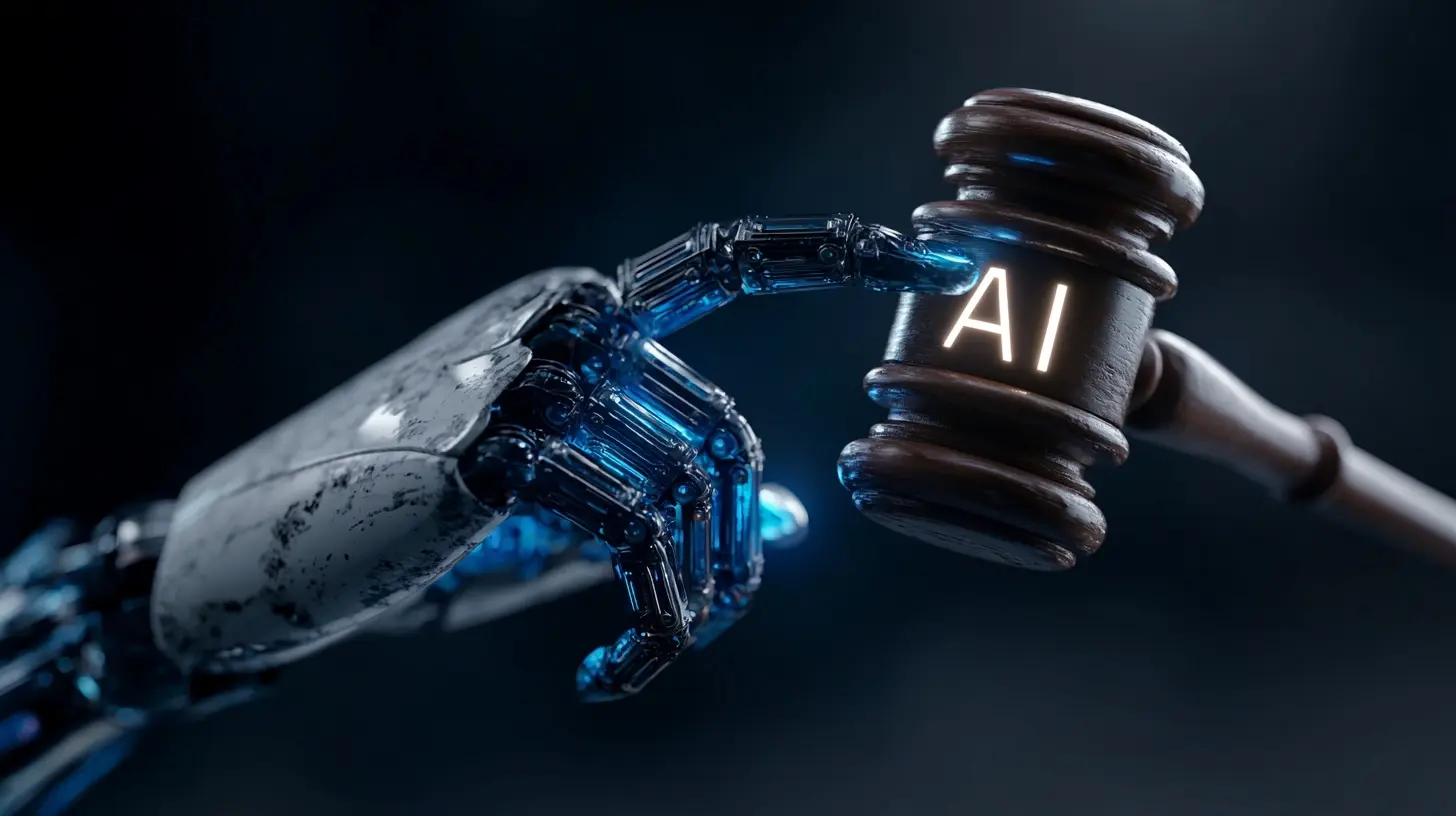
Potential Benefits of AI as a Legal Entity
Clarity in Accountability
One of the primary benefits of establishing AI as a legal entity is clarity in accountability. If an AI system is recognized as a separate legal entity, it can be held accountable for its actions. This could lead to a more straightforward process for victims seeking redress.Enhanced Protection of Rights
As legal entities, AI systems could theoretically possess rights similar to those of businesses. This could protect the interests of both the AI developers and the users, ensuring fair treatment in transactions and interactions.Streamlined Regulatory Processes
Recognizing AI as a legal entity might lead to the development of tailored regulations, making compliance easier for businesses that utilize AI technologies. This could help avoid the current patchwork of regulations that are often ill-suited to the nature of AI.Challenges and Considerations
Ethical Implications
The ethical implications of granting legal status to AI are profound. If AI systems are treated as legal entities, what rights and responsibilities should they have? This raises questions about the moral status of AI and whether it should be granted rights akin to those of humans or corporations.Risk of Misuse
There is a risk that recognizing AI as a legal entity could lead to misuse. For instance, entities could create AI systems that operate without sufficient oversight, potentially leading to harmful consequences. Establishing strict guidelines and regulations would be crucial to mitigate this risk.Public Perception and Trust
Public perception plays a significant role in the adoption of AI technologies. If the idea of AI as a legal entity is met with skepticism, it could hinder the technology's acceptance. Building trust through transparency and ethical considerations will be essential in this regard.
Real-World Examples
Autonomous Vehicles
The development of autonomous vehicles exemplifies the challenges of assigning legal status to AI. In incidents involving self-driving cars, determining liability has proven difficult. Recognizing these vehicles as legal entities could pave the way for clearer accountability frameworks.AI in Finance
AI systems in finance, such as algorithmic trading platforms, face similar challenges. When these systems make trades that lead to significant losses, the question of liability arises. If AI were to be deemed a legal entity, financial institutions might have clearer paths to accountability.Best Practices for Engaging with AI
Developing Ethical Guidelines
Organizations that utilize AI should proactively establish ethical guidelines governing the use of AI technologies. This includes considerations for accountability, transparency, and fairness.Engaging Stakeholders
Involving various stakeholders, including technologists, ethicists, and legal experts, can lead to a more comprehensive understanding of the implications of AI as a legal entity. Collaborative efforts can help craft responsible policies and regulations.Monitoring Developments
As AI technology continues to evolve, it is crucial for businesses and policymakers to stay informed about advancements and shifts in public perception. Regularly updating legal frameworks and ethical guidelines will be necessary to keep pace with the rapidly changing landscape.
Conclusion
The prospect of AI becoming a legal entity raises numerous questions about accountability, ethics, and societal impact. While there are compelling reasons to consider this, significant challenges must be addressed. As we move forward, it will be essential to strike a balance between innovation and responsibility, ensuring that the development and deployment of AI technologies align with societal values and ethical standards.The conversation around AI as a legal entity is just beginning. Stakeholders must engage in meaningful dialogue, establish best practices, and monitor developments to navigate this complex landscape thoughtfully. By doing so, we can harness the potential of AI while minimizing risks and maximizing benefits.
all images in this post were generated using AI tools
Category:
Tech PolicyAuthor:

Kira Sanders