Touchscreens in Healthcare: Revolutionizing Medical Devices
21 June 2026
Imagine a world where doctors and nurses can access patient information, adjust medical devices, and even perform remote surgeries, all with the simple swipe of a finger. Sounds futuristic, right? Well, this isn't the distant future. It's happening today, and it's all thanks to the advancement of touchscreens in healthcare.
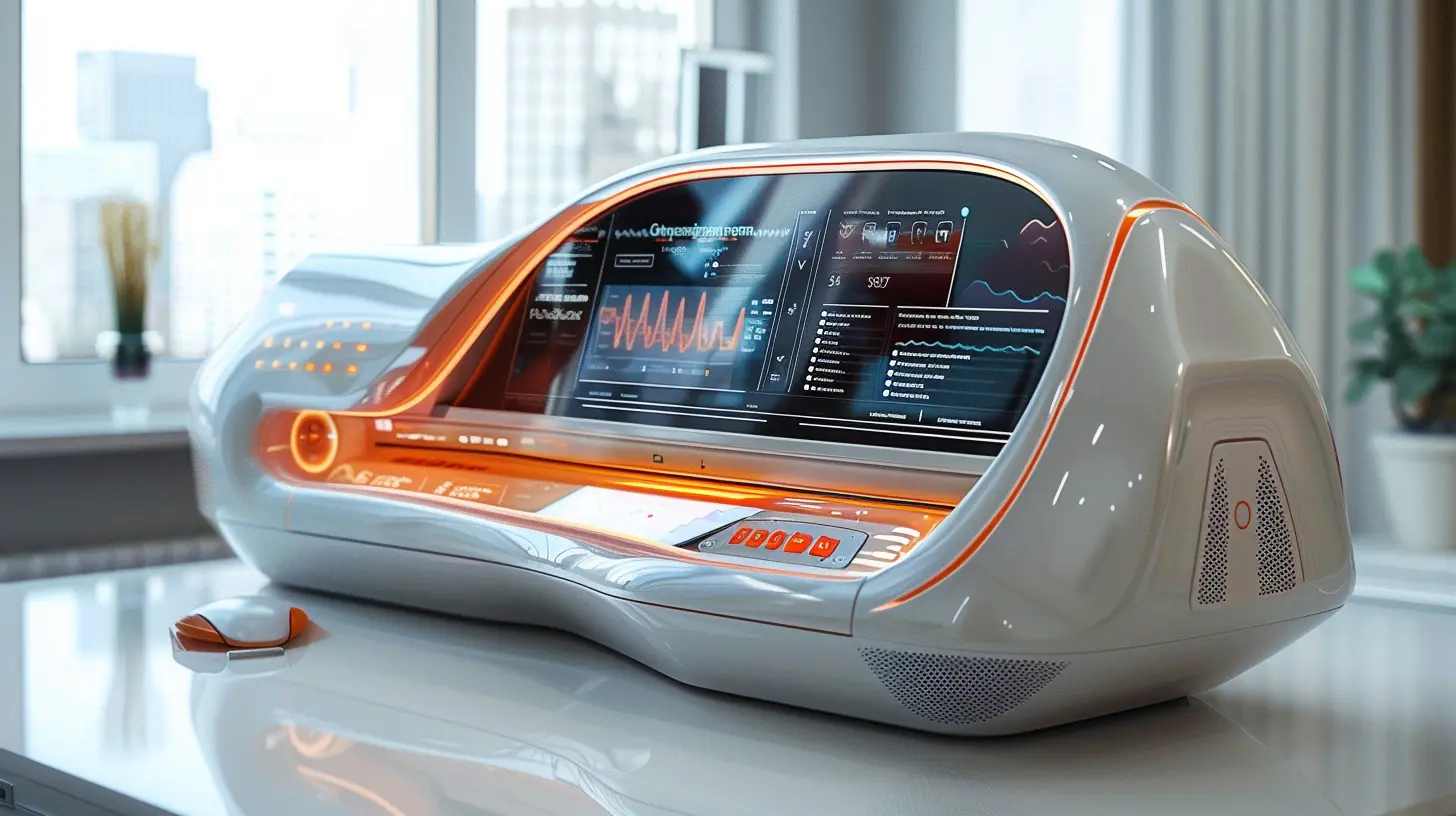
Touchscreens are everywhere. From smartphones and tablets to ATMs and even refrigerators, we're constantly surrounded by touch-sensitive technology. But perhaps one of the most exciting areas where touchscreens are making waves is in healthcare. This once clunky, tech-resistant industry is now embracing touchscreens, and they're revolutionizing the way medical professionals provide care. Let’s dive deeper into how touchscreens are transforming medical devices and the healthcare sector as a whole.
The Rise of Touchscreens in Healthcare
Touchscreens have become the go-to interface for many industries, and healthcare is no exception. The reason is pretty straightforward: they are intuitive, easy to use, and offer a seamless experience. In medical environments, where time is of the essence and precision is paramount, touchscreens provide a user-friendly interface that simplifies complex tasks.In the past, medical devices were often bulky, complicated, and required extensive training to operate. No one had time to fiddle with buttons, levers, and dials when a patient’s life was on the line. With touchscreens, however, the learning curve has shrunk significantly. Doctors and nurses can now interact with medical devices in a way that's as familiar as using their smartphones.
Why Healthcare Needs Touchscreens
Healthcare has always been an industry where efficiency and accuracy are critical. In high-pressure environments like hospitals, there’s no room for error. So, why are touchscreens such a game changer in this field?1. Speed and Efficiency: Touchscreens allow for quick navigation. Medical professionals can access patient records, update data, and even control devices much faster than with traditional methods. In an emergency, these seconds matter.
2. Reduction of Human Error: Traditional medical devices often had complex interfaces, making it easy for errors to occur during operation. Touchscreens streamline this process, reducing the risk of mistakes.
3. Improved Accessibility: With multi-touch capabilities, even people with disabilities or limited dexterity can operate touchscreen devices with ease. This inclusivity is essential in a healthcare setting.
4. Hygiene and Cleanliness: Unlike keyboards or other physical interface tools, touchscreens are easier to clean and sanitize. This is critical in healthcare to prevent the spread of infections. A quick swipe with a disinfectant wipe, and it’s good to go.
Types of Medical Devices Using Touchscreens
Touchscreens are being integrated into a variety of medical devices, changing the way medical professionals interact with technology. Here are just a few examples of where touchscreens are making an impact:1. Patient Monitoring Systems
Gone are the days when nurses had to manually input patient data into computers. With touchscreen-based patient monitoring systems, healthcare professionals can quickly and easily monitor vital signs like heart rate, oxygen levels, and more. These systems are often connected to a central database, allowing for real-time updates and easy access to a patient’s medical history.2. Ultrasound Machines
Ultrasound machines used to be notorious for being difficult to operate, requiring a lot of buttons and knobs to adjust settings. But with the incorporation of touchscreens, sonographers can now adjust settings, zoom in or out, and capture images with just a few taps on the screen. This makes ultrasound exams faster and more accurate, which is a win for both the patient and the operator.3. Infusion Pumps
Infusion pumps are crucial for delivering fluids, medication, and nutrients to patients. Modern pumps with touchscreen interfaces make it much easier for nurses to set dosages and monitor the flow. The touchscreen interface also allows for a more straightforward method of pausing or adjusting the treatment, ensuring that patients receive the correct care without unnecessary delays.4. Surgical Robots
Yes, you read that right! Some advanced surgical robots are operated via touchscreens. Surgeons can control robotic arms with precision through touchscreen interfaces, enabling them to perform minimally invasive surgeries with greater accuracy. This technology is already being used in procedures like heart surgery and prostate removal, reducing recovery times and improving patient outcomes.5. Electronic Health Records (EHRs)
Electronic Health Records are essential in today's medical environment. With touchscreen tablets, doctors can update patient information on the go, review charts, and even prescribe medications directly from the bedside. This makes hospital rounds more efficient and less paper-heavy, which is a win for both the environment and the healthcare team.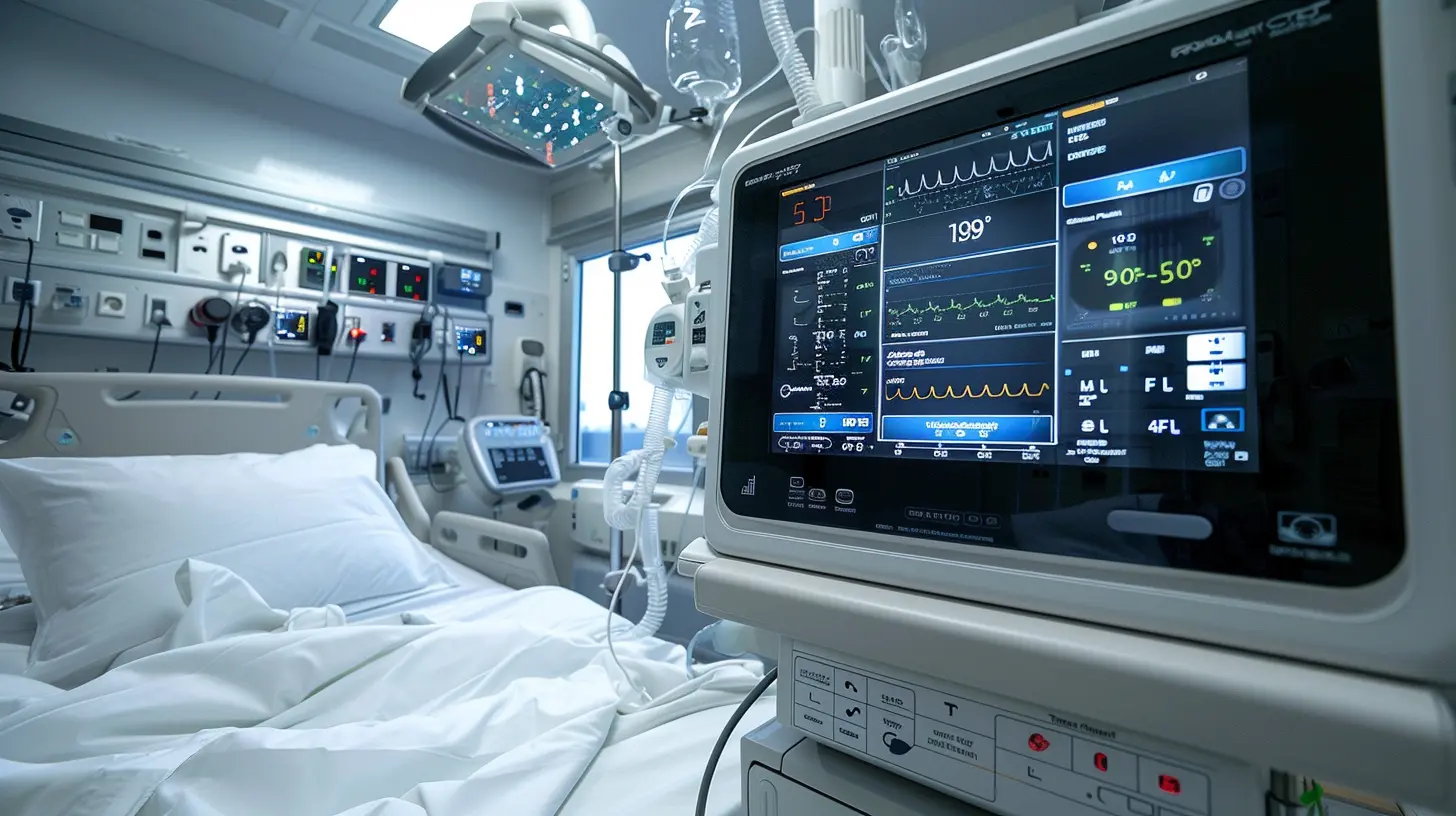
Benefits of Touchscreens in Healthcare
The integration of touchscreens into healthcare is not just about making devices look sleek or modern. It’s about improving the quality of care, reducing errors, and making life easier for both medical professionals and patients. Let’s break down some of the key benefits:1. Enhanced Patient Care
When medical devices are easier to use, healthcare professionals can focus more on caring for their patients rather than fiddling with complicated technology. Touchscreens allow for quicker data input, faster diagnosis, and more accurate treatment plans. The result? Better patient outcomes.2. Improved Workflow
In a hospital setting, efficiency is crucial. Touchscreen devices enable faster navigation and operation, reducing the time spent on administrative tasks. This means doctors and nurses can spend more time with patients, improving the overall workflow of the hospital.3. Reduced Training Time
Traditional medical devices often required extensive training sessions before healthcare professionals could use them effectively. With touchscreens, the interface is so intuitive that the learning curve is much shorter. This means that staff can be trained more quickly, saving hospitals both time and money.4. Real-Time Data Access
Touchscreens often connect to cloud-based systems or databases, allowing for real-time data access. Whether it's updating a patient's medical record or monitoring vitals, healthcare professionals can access the most current information without needing to wait for manual input.5. Remote Care and Telemedicine
With the rise of telemedicine, touchscreens play a pivotal role in providing remote care. Doctors can consult with patients via video calls on tablet devices, view diagnostic images, and even remotely operate medical devices. This is especially crucial for patients in rural or underserved areas who don’t have easy access to healthcare facilities.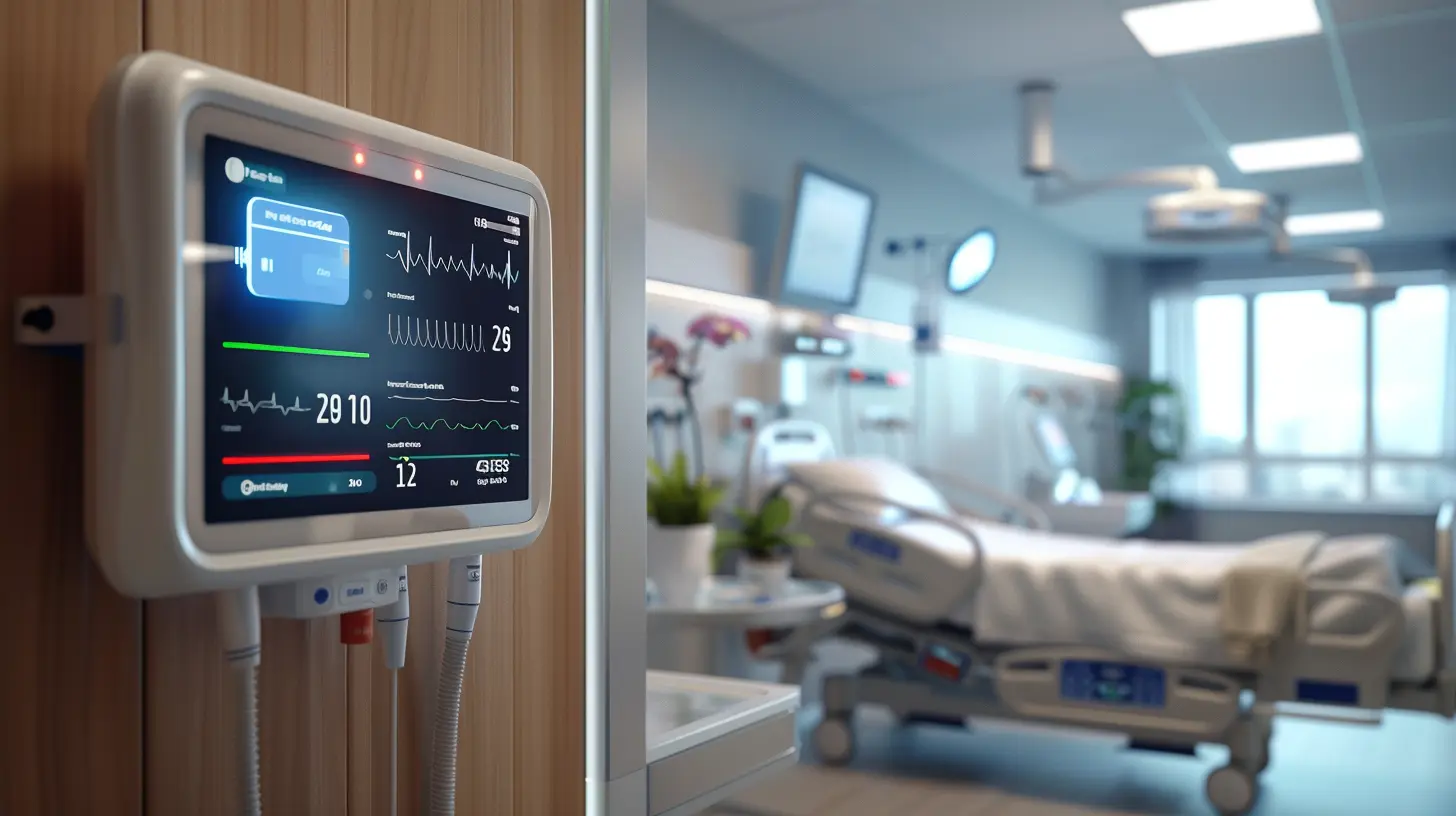
Challenges and Considerations
While touchscreens are undoubtedly revolutionizing healthcare, they’re not without challenges. Like any technology, they have their limitations and require careful consideration in their implementation.1. Durability
Medical environments are tough on equipment. Devices are often exposed to harsh cleaning chemicals, frequent use, and the occasional drop. While modern touchscreens are designed to be durable, they must be able to withstand the rigors of a hospital environment.2. Cost
Touchscreen technology often comes with a higher price tag than traditional devices. For smaller clinics or hospitals with tight budgets, upgrading to touchscreen-enabled devices might be a financial strain. However, the long-term benefits, such as improved efficiency and reduced errors, often justify the initial investment.3. Technical Glitches
As with any digital technology, there’s always a risk of technical glitches or malfunctions. A frozen screen or system crash could cause delays in patient care. It’s crucial that hospitals have reliable IT support and backup systems in place to minimize downtime.4. Privacy and Security
Touchscreen devices, especially those connected to the internet, can be vulnerable to cyberattacks. Protecting sensitive patient data is a top priority in healthcare, so robust security measures must be in place to protect touchscreen medical devices from breaches.
The Future of Touchscreens in Healthcare
The future of healthcare is digital, and touchscreens are at the forefront of this transformation. As technology continues to evolve, we can expect touchscreens to become even more integrated into the fabric of healthcare.Imagine a world where every medical device in a hospital is connected and controlled via a central touchscreen interface, where doctors can "zoom" into a patient’s body using augmented reality, or where surgeries can be performed remotely using haptic feedback and touchscreen controls. It sounds like science fiction, but we’re getting closer to that reality every day.
Touchscreens will continue to play a vital role in advancing telemedicine, improving patient care, and making healthcare more accessible to all. With constant advancements in artificial intelligence and machine learning, these devices will become even smarter and more intuitive, further enhancing their role in medical settings.
Conclusion
Touchscreens are revolutionizing the healthcare industry in ways we couldn’t have imagined a decade ago. They’re improving patient care, streamlining workflows, and making medical devices easier to use than ever before. As technology continues to advance, touchscreens will undoubtedly play an even larger role in shaping the future of healthcare. So, the next time you visit your doctor’s office or hospital, take a closer look—you might be witnessing the beginning of a healthcare revolution, all at the tip of your fingers.all images in this post were generated using AI tools
Category:
Touchscreen DevicesAuthor:

Kira Sanders
Discussion
rate this article
2 comments
Rex Hayes
Touchscreens in healthcare? Finally, doctors can swipe left on boring equipment and tap into patient engagement... literally!
August 22, 2026 at 2:40 AM
Kira Sanders
Absolutely! Touchscreens are transforming interactions in healthcare, making it more engaging for both patients and providers. It's about time we embraced this technology.
Sabina Benton
Touchscreens really do make medical devices more user-friendly and efficient.
June 24, 2026 at 10:54 AM