The Rise of Transparent Touchscreen Displays
15 June 2026
In a world where technology is evolving faster than ever, it’s easy to get lost in the sea of new gadgets, devices, and innovations. But if you’ve been paying attention to recent trends, one thing that stands out is the rise of transparent touchscreen displays. Imagine walking into a room and seeing a screen that you can see right through, as if it’s just a pane of glass — yet it’s interactive! It sounds like something straight out of a sci-fi movie, but it’s quickly becoming a reality.
Transparent displays are making their way into various industries, from retail and automotive to advertising and gaming. But why is this happening now? What makes transparent touchscreens so appealing, and where are they headed? Let’s dive into the world of transparent display technology and explore why it’s capturing the imagination of innovators and consumers alike.
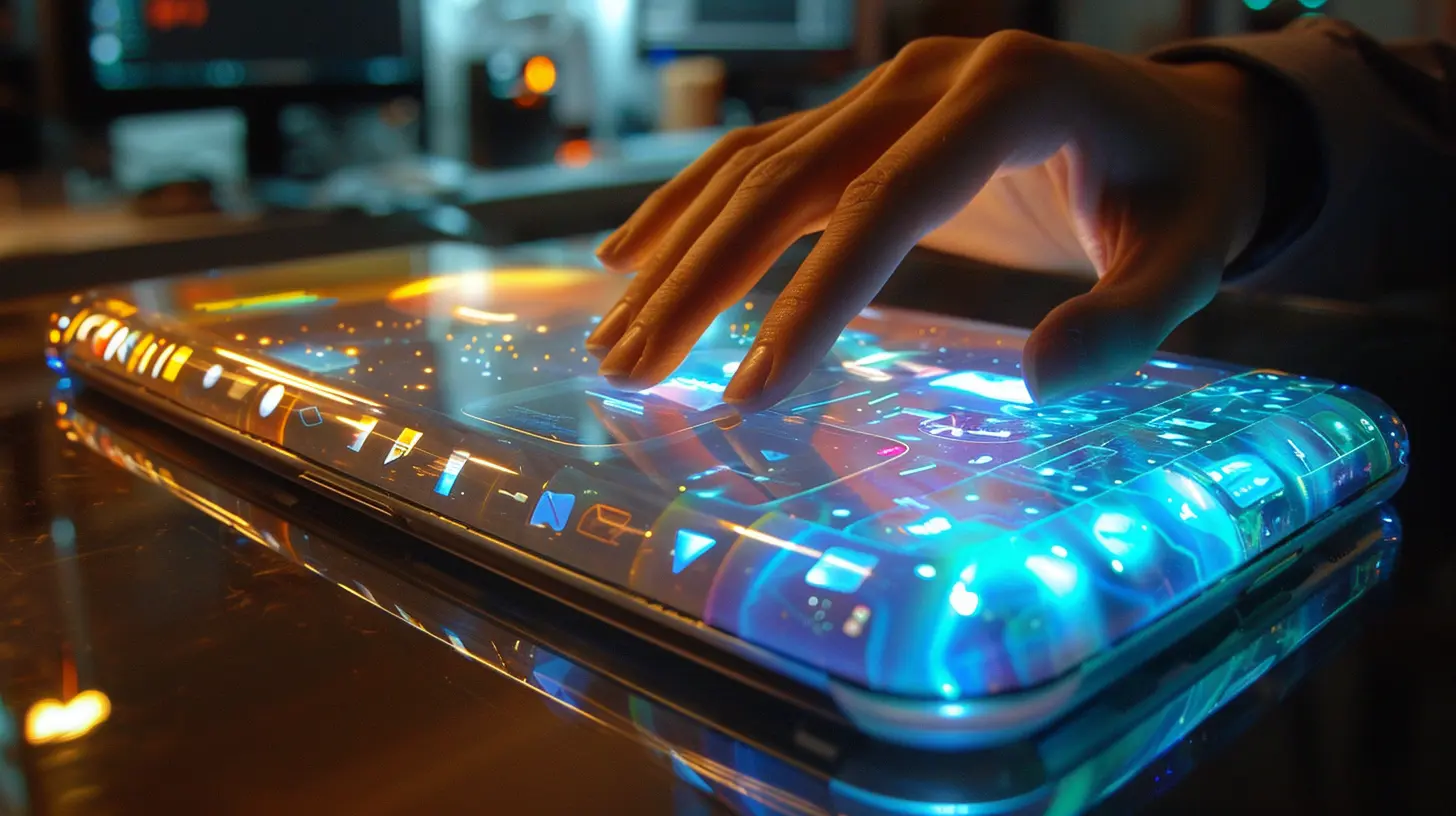
What Are Transparent Touchscreen Displays?
Alright, let's start with the basics. A transparent touchscreen display is exactly what it sounds like — a display that allows you to see through it while still functioning like a regular screen. You get the best of both worlds: information can be displayed on the screen, and you can still see what's behind it.These displays typically use OLED (Organic Light-Emitting Diode) technology, which doesn’t require a backlight like traditional LCDs. Since OLEDs create their own light, it makes it possible to create screens that are both bright and see-through. Pretty cool, right?
Why Are Transparent Displays Gaining Popularity?
The "Wow" Factor
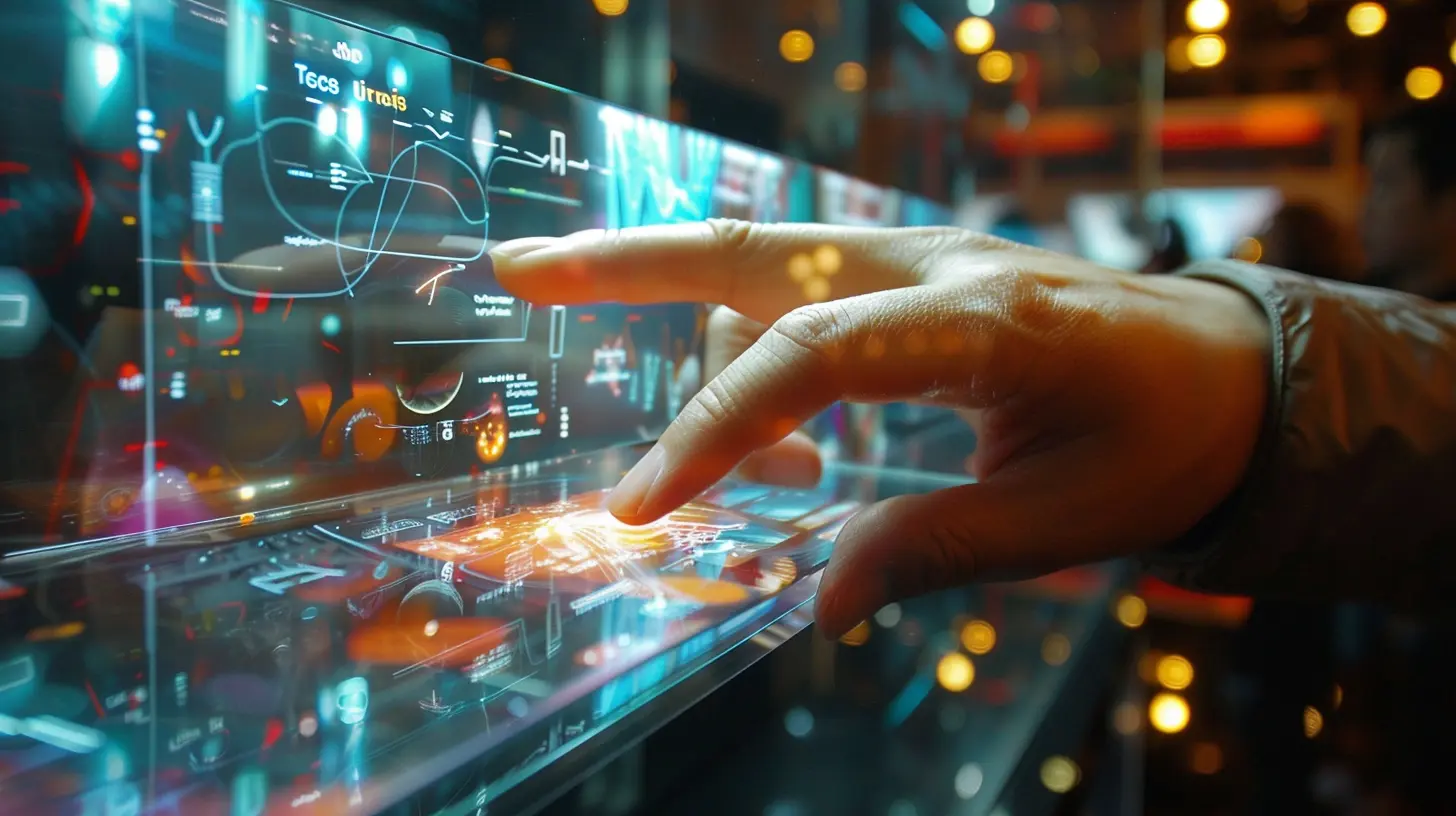
Let’s be honest: transparent displays look awesome. They have a futuristic vibe that grabs people’s attention. Businesses are quickly realizing that these displays can create a unique, eye-catching experience for customers, making them perfect for use in retail stores, museums, and other public spaces. When you see a product inside a glass case, and information about it is displayed on the glass itself, it feels almost magical.Space-Saving and Practicality
In many cases, transparent screens can replace traditional displays, saving space and making environments look cleaner and more organized. Instead of needing separate displays for information and products, you can combine them into one. This is particularly useful in retail, where showcasing products and providing information simultaneously can enhance the customer experience.Enhanced Interactivity
Touchscreen technology itself is nothing new. But when combined with transparency, it opens up a whole new level of interactivity. Imagine walking down the street and interacting with a transparent touchscreen in a store window. You can access product details, check availability, or even make purchases directly from the display. This interactive element could revolutionize how we shop and interact with brands in public spaces.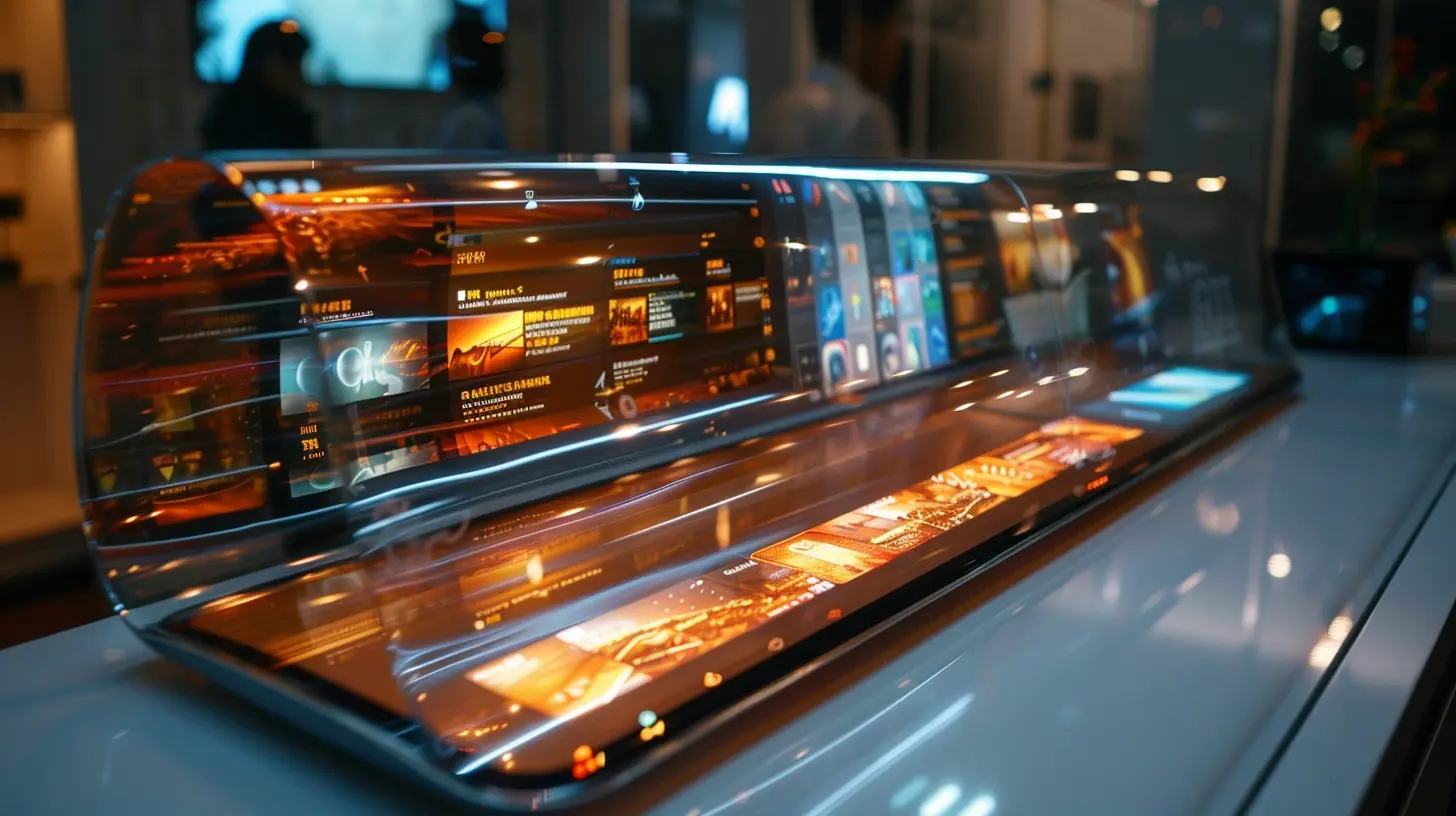
The Technology Behind Transparent Touchscreens
Now, let’s get a bit technical — but not too much, don’t worry.OLED vs. LCD
As mentioned earlier, OLED technology is the backbone of most transparent displays. Unlike LCD screens, which need a backlight, OLEDs emit their own light. This makes OLED displays thinner, more flexible, and capable of being transparent.LCD displays, on the other hand, require a backlight, making them less ideal for transparency. However, some companies are experimenting with ways to create transparent LCDs by removing the backlight or using specialized components. That said, OLED is still the most common choice for transparent displays due to its superior image quality and flexibility.
Challenges of Transparent Displays
Of course, not everything is sunshine and rainbows. Transparent displays come with their own set of challenges.Firstly, brightness is a significant concern. Since transparent displays don’t have a backlight, they can struggle in brightly lit environments. If you’ve ever tried to look at your phone screen in direct sunlight, you’ll understand the problem.
Then, there's the issue of image contrast. Since you can see through the screen, it can be difficult to make out images and text clearly, especially if the background is cluttered or brightly lit. This limits how and where transparent screens can be effectively used.
Lastly, the cost of manufacturing transparent OLED displays is still relatively high. Though prices are expected to drop as the technology becomes more widespread, this is currently one of the barriers to mass adoption.
Where Are Transparent Displays Being Used?
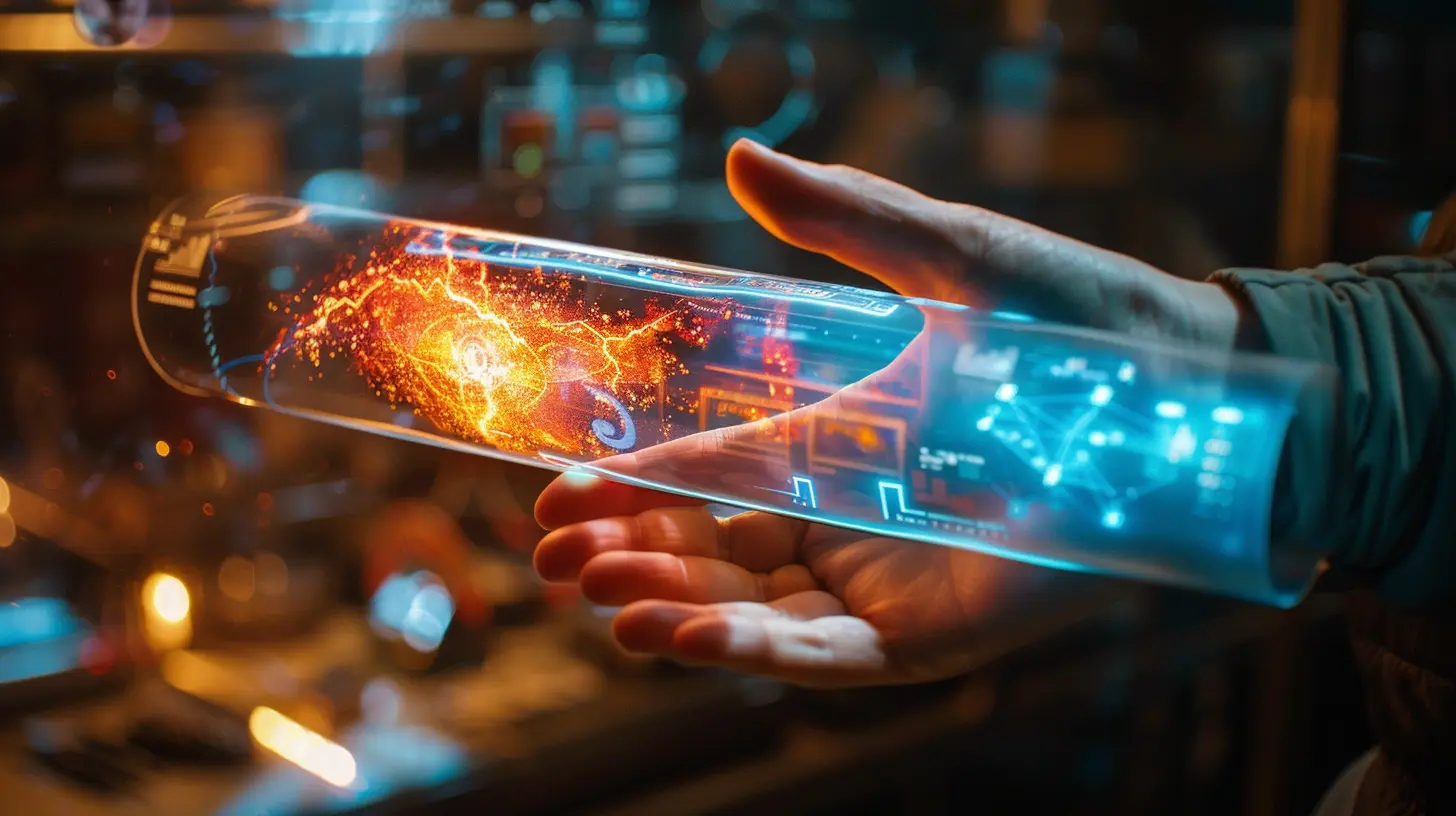
Transparent displays aren’t just a cool concept — they’re already being used in several industries, and their potential applications are endless.Retail and Advertising
One of the most obvious uses for transparent displays is in retail. Imagine walking past a store and seeing a transparent digital display in the window, showing you the latest products, sales, or even a virtual model wearing the clothes on display. Stores can use these displays to provide information without obstructing the view of their products. Basically, it's window shopping 2.0.Brands are also incorporating transparent displays into vending machines, kiosks, and even refrigerators. Not only does this make the machines more visually appealing, but it also provides an interactive experience for consumers.
Automotive Industry
The automotive industry is another sector where transparent displays are making waves. Car manufacturers are using them to create futuristic heads-up displays (HUDs) that provide drivers with essential information without obstructing their view of the road. Speed, navigation, and even safety warnings can be projected onto the windshield, allowing drivers to stay focused while accessing crucial data at a glance.In the near future, we could see entire dashboards being replaced by transparent touch displays, giving drivers even more control over in-car functions while maintaining a sleek and modern design.
Smart Homes and Offices
Transparent displays are also finding their way into smart homes and offices. Imagine a window that doubles as a touchscreen, allowing you to check the weather, view your calendar, or control smart home devices with just a tap. These displays can be integrated into windows, mirrors, or even walls, providing a seamless and futuristic interface for controlling home automation systems.In offices, transparent displays can be used to create interactive glass whiteboards or digital signage that doesn’t clutter the space. The possibilities are endless, and as the technology becomes more affordable, we could see it becoming a common feature in modern homes and workplaces.
Gaming and Entertainment
Gaming companies are always looking for ways to immerse players in the experience, and transparent displays could be the next big thing in the gaming world. Imagine playing a game on a transparent screen that allows you to see both the game and your surroundings. This could create a more immersive and interactive environment, especially for augmented reality (AR) and virtual reality (VR) applications.In the world of entertainment, transparent displays could be used in concerts, museums, and theaters to create stunning visual effects. From holographic performances to interactive exhibits, the potential for transparent displays in entertainment is enormous.
The Future of Transparent Displays
So, what does the future hold for transparent touchscreen displays? While the technology is still in its early stages, it’s clear that transparent displays have the potential to change how we interact with digital content.Widespread Adoption
As manufacturing costs decrease and the technology improves, we can expect to see transparent displays becoming more common in everyday life. From shopping malls and car dashboards to smart home windows and office glass walls, transparent displays will likely become an integral part of our digital landscape.Augmented Reality Integration
Another exciting possibility is the integration of transparent displays with augmented reality (AR) technology. By combining the two, we could create a whole new level of interaction with the digital world, overlaying digital content onto real-world objects. Imagine walking through a museum and seeing digital information about exhibits projected onto transparent screens in front of you. Or imagine playing a game where virtual objects appear to float in mid-air, seamlessly blending with your surroundings.Personalized Experiences
With advancements in AI and machine learning, transparent displays could also provide more personalized experiences. For example, digital signage in stores could adjust based on who is looking at the screen, showing relevant products or promotions based on individual preferences. This kind of personalized interaction could enhance customer engagement and increase sales.
Conclusion
Transparent touchscreen displays are no longer just a concept from science fiction — they’re a fast-approaching reality. As the technology continues to advance, we’re likely to see these futuristic displays become more common in our everyday lives. From retail and advertising to automotive and smart homes, transparent displays have the potential to revolutionize how we interact with digital content.The rise of transparent displays isn’t just about flashy new gadgets; it’s about creating richer, more interactive experiences that blend the digital and physical worlds. And as the technology matures, the possibilities will only continue to expand.
all images in this post were generated using AI tools
Category:
Touchscreen DevicesAuthor:

Kira Sanders
Discussion
rate this article
2 comments
Hannah McMurtry
Transparent touchscreen displays are reshaping user interaction, blending digital content with physical environments. Their applications in retail, education, and entertainment promise immersive experiences. However, challenges in visibility and durability must be addressed for widespread adoption.
August 21, 2026 at 11:20 AM
Holden Shaffer
Transparent touchscreen displays could redefine user interaction, merging digital and physical worlds seamlessly.
June 15, 2026 at 4:41 AM
Kira Sanders
Absolutely! Transparent touchscreen displays will create exciting new ways for us to interact with technology, bridging the gap between our digital experiences and the real world.