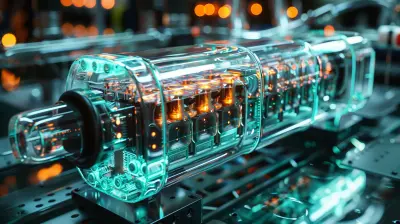
The Rise of Quantum Computing: What It Means for the Future
6 December 2025
Quantum computing isn’t just some cool sci-fi buzzword anymore. It’s real. It's happening. And it’s racing toward us faster than most people even realize. If you’ve been brushing it off as something only physicists or tech nerds care about, it’s time to sit up and pay attention. Because the world as we know it? Quantum computing could flip it on its head.
So let’s break it down, human-to-human. What is quantum computing anyway? Why should you care? And more importantly—how could it reshape the future that’s about to unfold before our eyes?
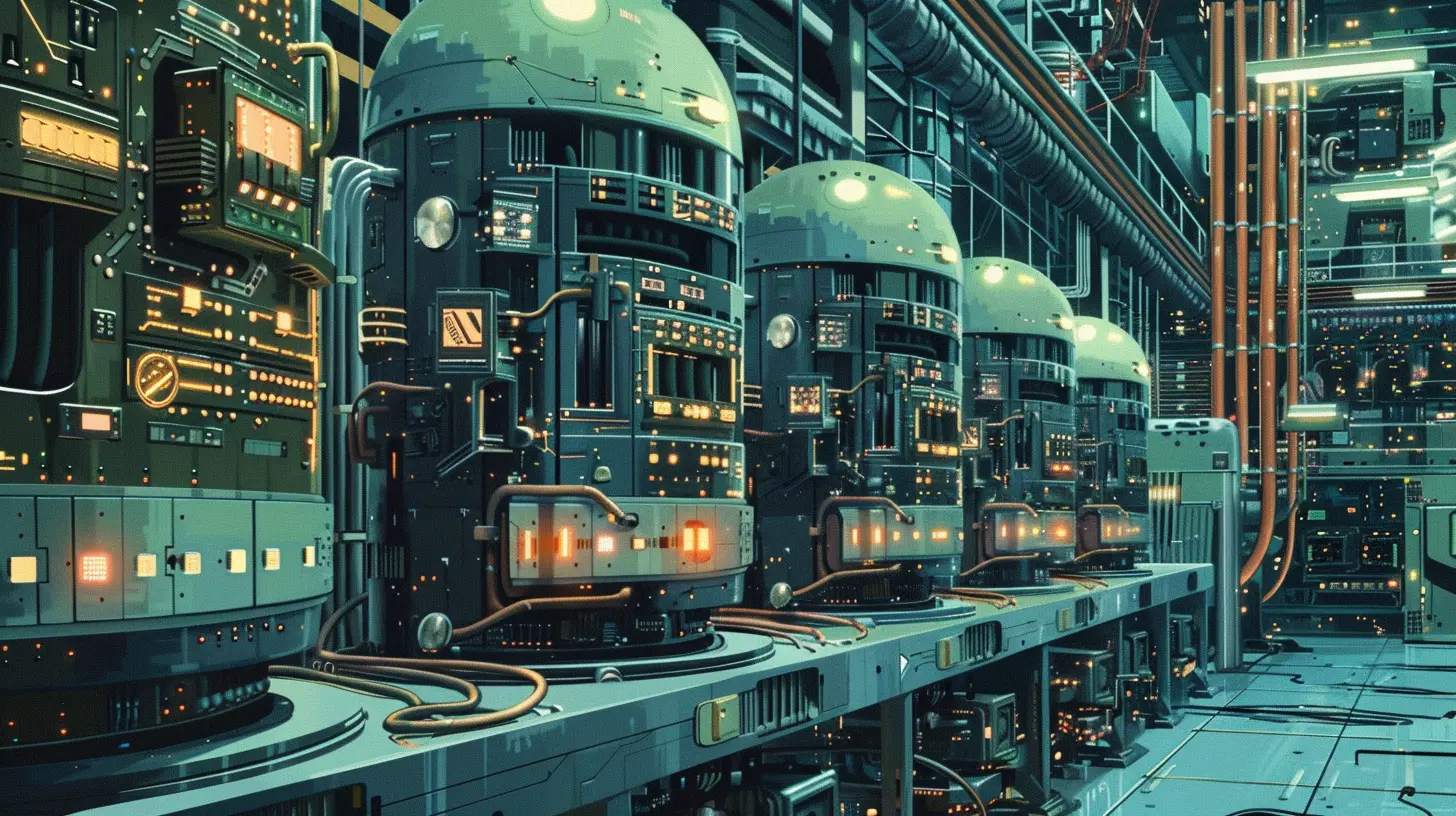
What Is Quantum Computing, Really?
Let’s skip the jargon and get right to it.Imagine your regular computer. It thinks in bits—those tiny units of data that can either be 0 or 1. That’s the basic building block. Your smartphone, your laptop, your smart fridge—they all use classical bits.
Quantum computers? They use something called qubits. And here’s where it gets wild: unlike bits, qubits can be 0, 1, or both at the same time. That’s thanks to a mind-bending principle of quantum mechanics called superposition.
But wait, there's more. Qubits can also get entangled—meaning what happens to one can instantly affect the other, no matter how far apart they are. We're talking about a whole new dimension of computing logic.
Sound crazy? Welcome to the quantum world.

Why the Hype? Why Now?
You might be wondering, “If this thing is so powerful, why haven’t we seen killer quantum apps yet?” Fair question.Quantum computers have been in the works for decades. But building them is insanely complex. We're talking about needing near absolute-zero temperatures, insane precision, and a level of stability that's tough to maintain. But here’s the deal—recent breakthroughs in materials, algorithms, and hardware have started turning theory into reality.
Companies like Google, IBM, Intel, and startups like Rigetti and IonQ are all in the game. Even governments are pouring billions into quantum R&D. The momentum is undeniable.
We’re not fully there yet—but we’re knocking on the door.
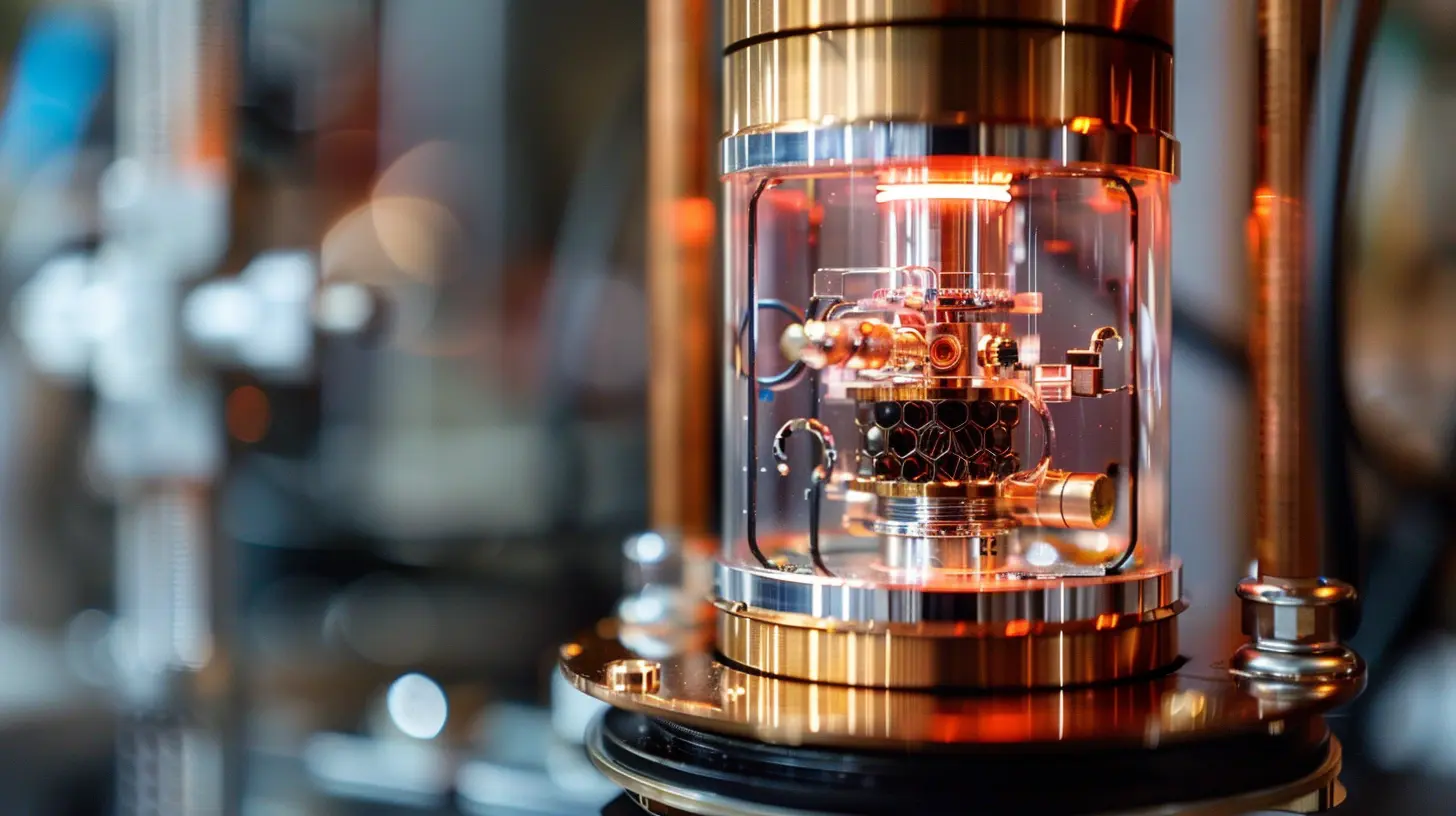
How Fast Are We Talking?
Speed is one thing. Quantum computing isn’t just about being faster—it’s about solving problems that classical computers couldn’t solve in a billion years.Back in 2019, Google claimed to achieve “quantum supremacy.” They said their quantum processor solved a problem in 200 seconds that would’ve taken the world’s most powerful supercomputer 10,000 years.
That’s not a typo.
Now, true, that specific problem wasn’t exactly useful in the real world—it was more of a proof of concept. But it signaled something big: the rules of the computing game were changing. Fast.

Real-World Impact: Where Quantum Will Make Waves
Honestly? The potential applications are mind-blowing. Let’s walk through some.1. Drug Discovery and Healthcare
You know how drug development takes years and billions of dollars? Quantum computing could rip through molecular modeling in days, identifying potential compounds with insane speed and accuracy.It could lead to custom-made drugs, treatments for complex diseases like Alzheimer’s, and even solutions for pandemic prevention. It’s like giving scientists a magic microscope that can peer into the tiniest building blocks of life.
2. Cybersecurity (Both Good and Bad)
Here’s where it gets a bit scary.Current encryption methods—like the ones protecting your bank info, emails, and messages—rely on mathematical problems that would take classical computers ages to crack.
Quantum computers? They could break them wide open in seconds.
Now, the good news is that quantum-safe encryption is already in development. But there’s a race going on. It’s hackers vs. defenders. And the stakes? They're nothing short of internet security as we know it.
3. Climate Modeling and Sustainability
Want to tackle climate change? You need to understand complex systems—weather patterns, ocean currents, greenhouse gas cycles—the list goes on. But modeling all that accurately? It’s ridiculously hard.Quantum computers can process all those variables at once, giving scientists the tools to test environmental solutions before we implement them. Think of it as a crystal ball for the planet.
4. Finance and Risk Analysis
Quantum computers could analyze massive sets of financial data, uncover trends that humans couldn’t possibly detect, and revolutionize everything from investments to fraud detection.Forget day trading—this is time-warp-level predictive analytics. Hedge funds and big banks are already paying close attention.
5. Artificial Intelligence Gets a Quantum Boost
Machine learning is already changing our lives. But guess what? Classical computers hit limits when dealing with massive datasets or deep neural networks.Quantum computing could inject rocket fuel into AI training, cut processing times drastically, and make AI, well, smarter.
Imagine AI that understands language, images, and context like a human—but runs on quantum steroids.
Challenges in the Quantum Era
Let’s be real—it’s not all sunshine and rainbows.1. Hardware Hurdles
Quantum computers are notoriously delicate. Even tiny vibrations or heat can mess them up. That’s why they’re often housed in massive, super-cooled chambers that look like something out of a sci-fi movie.Building stable, error-free quantum systems that can scale? It’s a monster of a task.
2. Error Correction Is a Beast
One of the nastiest problems with qubits is noise. They’re not as stable as classical bits. That means errors creep in, and correcting them is really tricky.Scientists are working on “quantum error correction,” but we’re not there yet.
3. The Talent Gap
Quantum computing is a whole new beast that blends physics, computer science, math, and engineering. There just aren’t enough people trained in all these disciplines. The demand for quantum talent is through the roof.Companies are scrambling to find talent or upskill existing teams—but it’s a race against time.
Quantum vs. Classical: Do They Replace Each Other?
Not exactly. Classical computers aren't going anywhere. They’re great for everyday tasks: web browsing, gaming, spreadsheets—you get the idea.Quantum computers will be more like specialized tools. Think of it like this: if classical computers are bicycles, quantum computers are rockets. You wouldn't ride a rocket to the grocery store, but you'd definitely use one to explore Mars.
So it's not about replacing—it’s about upgrading where it counts.
What Does the Future Look Like?
We’re moving into a hybrid world—classical plus quantum. In the next five or ten years, here’s what you might see:- Quantum cloud computing: Just like we rent servers from AWS or Google Cloud now, companies will tap into quantum power remotely.
- Quantum app stores: Developers may start building quantum-enabled apps for specific industries—biotech, finance, logistics.
- Quantum-first companies: Startups will create solutions that simply wouldn’t be possible without quantum power.
And as this tech matures, prices will drop, accessibility will grow, and the ripple effect will touch every aspect of life—just like classical computing did in the 80s and 90s.
Should You Be Worried? Or Excited?
Both, to be honest.On one hand, quantum tech could be the key to solving humanity’s biggest challenges. On the other, it could disrupt industries, compromise security, and create massive inequality between quantum-ready and quantum-blind nations or companies.
But here’s the thing. The genie’s out of the bottle. Quantum computing isn’t just coming—it’s here. The question is whether we prepare, adapt, and shape its future—or get blindsided by it.
What Can You Do Today?
Think quantum is way above your pay grade? Think again.Here’s how you can future-proof yourself:
- Stay informed: Follow quantum news. You don't need a PhD to understand the basics.
- Learn the lingo: Understand terms like superposition, entanglement, and qubits.
- Pick up skills: Companies like IBM and Microsoft are offering free quantum programming courses.
- Talk about it: Make it part of tech discussions in your workplace. Quantum literacy is going to matter, big time.
Final Thoughts
The rise of quantum computing isn’t just another tech trend. It’s a tectonic shift—like the birth of the internet or the mobile revolution. Only this time, the stakes are higher, the science is wilder, and the potential is borderline limitless.There’s still a mountain to climb before quantum computers are mainstream. But the ascent is happening. And those who are ready to ride the wave? They’ll shape the future. Possibly even bend it.
So the real question is: are you ready?
all images in this post were generated using AI tools
Category:
Emerging TechnologiesAuthor:

Kira Sanders
Discussion
rate this article
2 comments
Maya Newman
Quantum computing promises revolutionary advancements, but ethical implications and accessibility must be addressed.
December 11, 2025 at 11:50 AM
Kira Sanders
Thank you for your insightful comment! Addressing ethical implications and ensuring accessibility are crucial as we harness the transformative power of quantum computing.
Kason McVicar
This article compellingly highlights the transformative potential of quantum computing. As we stand on the brink of this new era, it's essential to consider both the incredible opportunities and the ethical implications that accompany these advancements.
December 6, 2025 at 3:35 AM
Kira Sanders
Thank you for your insights! It's crucial to balance the promise of quantum computing with ethical considerations as we advance into this new era.