The Rise of AI-Native Operating Systems by 2027
25 April 2026
You know that moment when you’re fumbling with your phone, trying to open an app, check the weather, and reply to a text—all while your hands are full? It’s like juggling flaming torches while riding a unicycle. Frustrating, right? Now imagine an operating system that doesn’t just wait for your commands but anticipates them. It finishes your sentences, organizes your chaos, and even suggests the playlist you didn’t know you needed. That’s not science fiction. That’s the rise of AI-native operating systems by 2027.
We’re standing at the edge of a tectonic shift in computing. Traditional OSes—Windows, macOS, Android, iOS—were built for a world where humans do the thinking and machines just execute. But by 2027, a new breed of operating systems will emerge: AI-native OSes. These aren’t just slapped with a chatbot or a voice assistant. They’re re-architected from the kernel up to treat artificial intelligence as a first-class citizen, like memory or storage. Let’s dive into what this means, why it’s happening, and how it’ll change everything.
What Exactly Is an AI-Native Operating System?
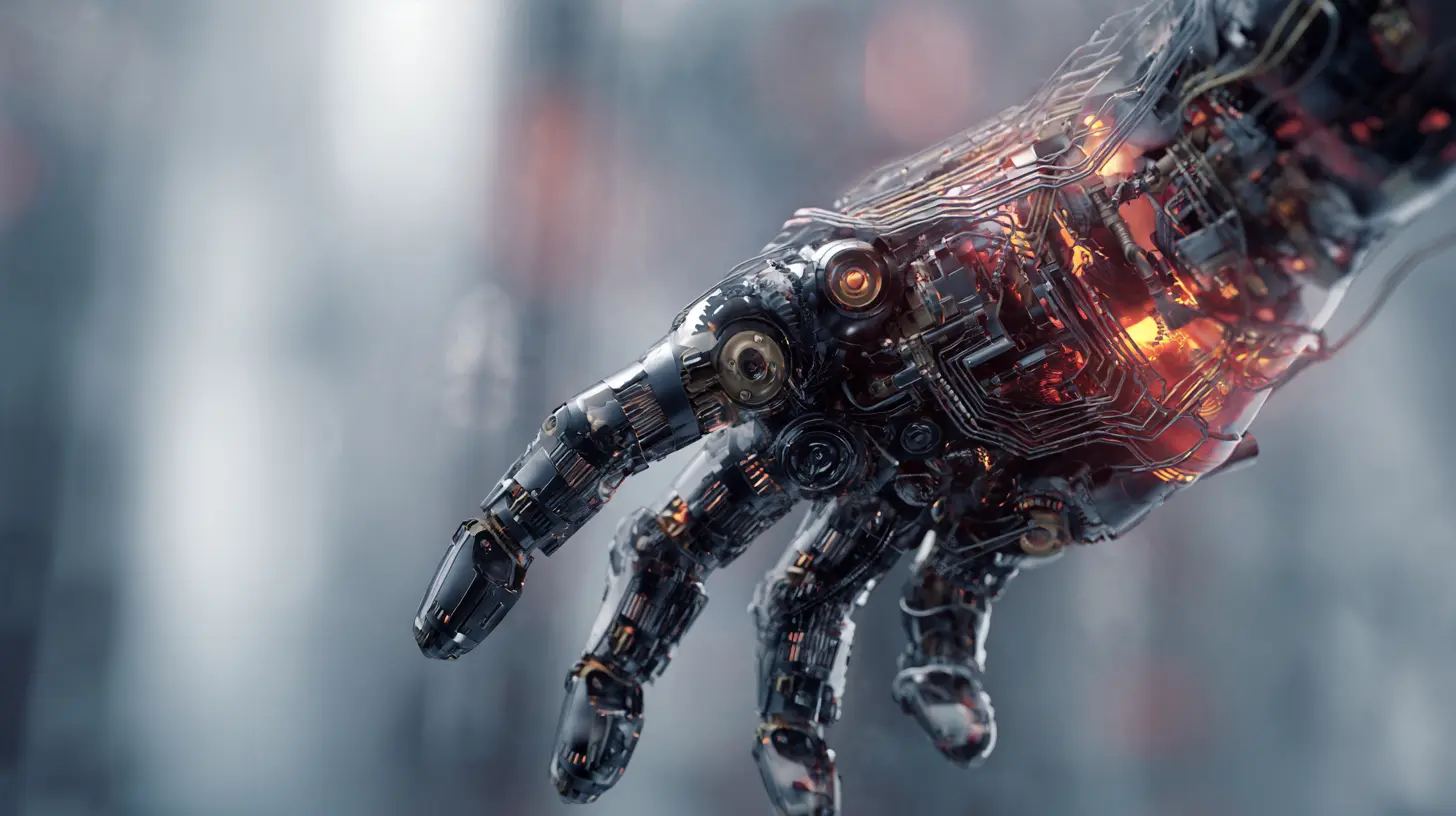
Let’s break it down with an analogy. Think of a traditional OS as a librarian. You walk in, ask for a book, and they fetch it. Efficient, but passive. An AI-native OS is like a personal research assistant who knows your interests, predicts what you’ll need next, and even highlights the best chapters for you. It’s not just reacting; it’s proactive.In technical terms, an AI-native OS integrates machine learning models directly into the system’s core components: the scheduler, memory manager, file system, and even the hardware drivers. Instead of a separate AI app running on top, intelligence is woven into the fabric. For example, the OS might dynamically allocate CPU resources based on your predicted workflow, or automatically compress files you haven’t touched in weeks—without you lifting a finger.
By 2027, these systems will be commonplace. Why? Because the hardware is ready—think neural processing units (NPUs) in every laptop and phone—and the software stack is maturing. Companies like Microsoft, Google, and Apple are already laying the groundwork. But the real game-changer is how this shift redefines user experience.
Why 2027? The Perfect Storm of Tech Trends
You might wonder, “Why not 2025 or 2030?” Fair question. The rise of AI-native OSes by 2027 hinges on three converging forces: hardware ubiquity, software maturity, and user demand.First, hardware. By 2027, expect every mid-range device to ship with dedicated AI accelerators. Apple’s Neural Engine, Qualcomm’s Hexagon, and Intel’s NPUs are just the beginning. These chips make on-device AI fast, private, and power-efficient. No more cloud dependency for every little task.
Second, software. The operating system giants are rewriting their kernels. Microsoft’s Windows 12 (rumored for 2024) already hints at AI integration, but by 2027, we’ll see full-blown AI-native modules. Google’s Fuchsia OS and Apple’s rumored “AI-first” macOS overhaul are prime candidates. These systems will manage models like they manage files—loading them into memory, scheduling them for inference, and updating them seamlessly.
Third, user demand. We’re already spoiled by smart assistants, but they’re clunky. You have to wake them, phrase commands just right, and wait for a response. By 2027, users will expect an OS that understands context. Imagine your computer knowing you’re stressed (based on typing speed and heart rate from your watch) and automatically dimming notifications. That’s the bar.
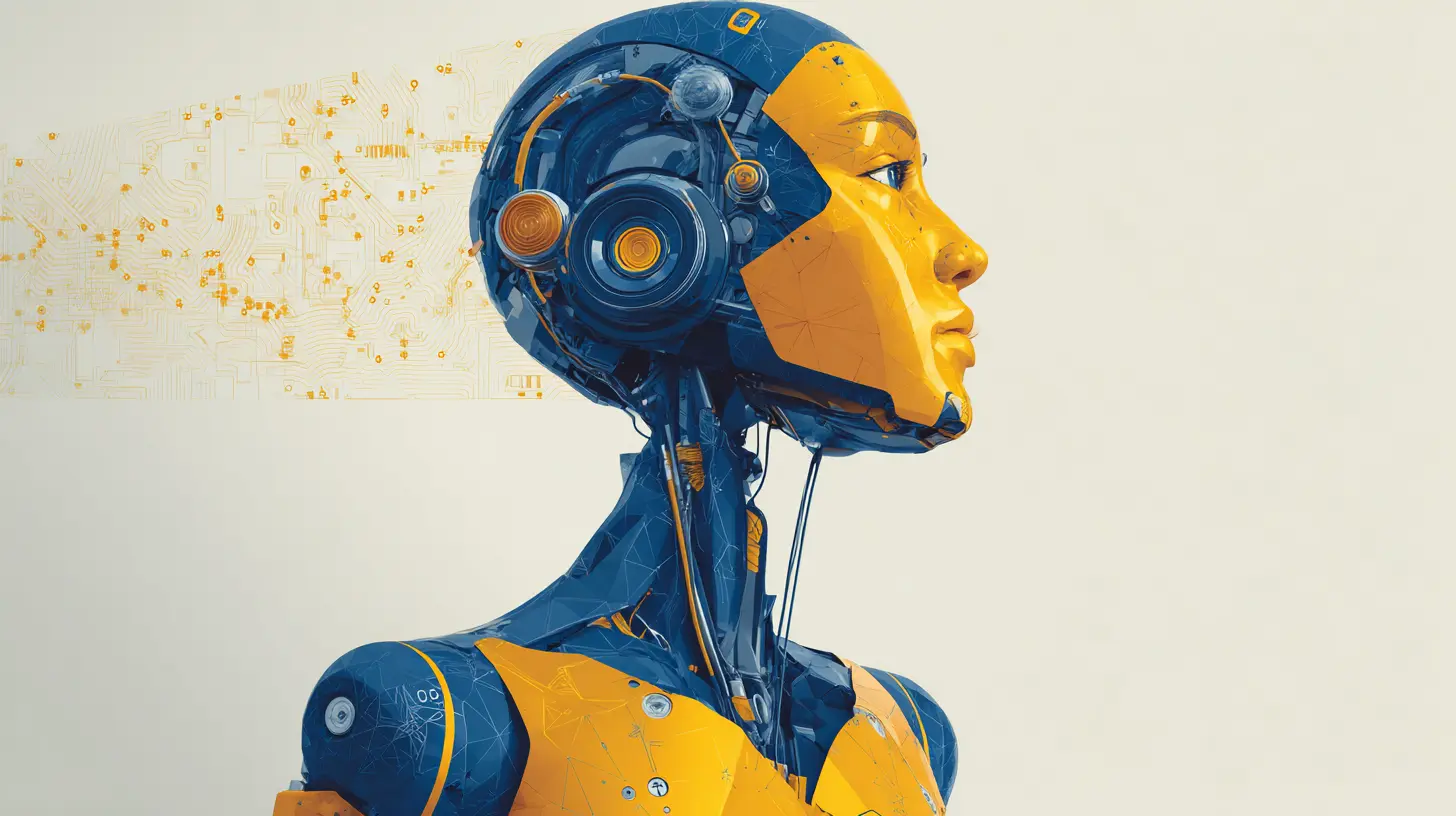
How AI-Native OSes Will Change Everyday Computing
Let’s get practical. What will your daily life look like in 2027 with an AI-native OS? Spoiler: it’s less about clicking and more about intention.1. Predictive Resource Management
Ever had your laptop slow down during a video call while it’s running a background update? An AI-native OS learns your patterns. It knows you usually launch Chrome at 9 AM, Zoom at 10 AM, and Spotify during lunch. So it pre-allocates RAM and CPU to those apps before you even click. It’s like a butler who sets the table before you sit down.2. Context-Aware File Systems
Searching for files will feel like magic. Instead of typing vague keywords, you might say, “Find that spreadsheet I edited last Tuesday after the meeting with Sarah.” The OS understands temporal, social, and semantic context. It doesn’t just search metadata; it uses a local language model to parse your intent. No more “File not found” frustration.3. Adaptive User Interfaces
Your desktop will morph based on what you’re doing. Working on a creative project? The OS rearranges icons, suggests plugins, and even tweaks color schemes to reduce eye strain. Gaming? It overclocks the GPU and silences background apps. It’s like having a chameleon for an OS—always blending into your needs.4. Privacy-First Local Intelligence
One major fear with AI is privacy. But AI-native OSes flip the script. Since models run locally on your device (thanks to those NPUs), your data never leaves. The OS can analyze your emails, photos, and habits without sending them to a cloud server. By 2027, this will be a selling point, not a afterthought. Think of it as a vault with a genius inside—smart, but sealed.
The Giants Are Already Racing: Who’s Leading?
Let’s talk about the players. It’s not just a tech arms race; it’s a philosophical battle about how AI should integrate into our lives.Microsoft: Windows and Copilot+
Microsoft is betting big on its Copilot+ initiative. By 2027, Windows will likely have an AI-native kernel module called the “Neural Scheduler.” It’ll manage tasks like real-time translation, background transcription, and intelligent caching. Imagine your PC automatically summarizing long documents as you scroll. That’s their vision. But will they balance power with bloat? Only time will tell.Apple: Privacy-First AI in macOS and iOS
Apple’s approach is more conservative but elegant. They’ve been quietly embedding AI into their silicon for years. By 2027, expect macOS to have a “Personal Intelligence Layer” that runs entirely on-device. Siri will be obsolete—replaced by a system-wide agent that understands your routines without needing a wake word. Think of it as a silent butler who never eavesdrops.Google: Fuchsia and the AI-First Chromebook
Google’s Fuchsia OS is the wild card. It’s designed from the ground up for modularity and AI. By 2027, Fuchsia might power Chromebooks that learn your workflow across devices. Your phone, laptop, and smart home will share a unified AI model. It’s like having a hive mind for your gadgets—but without the creepy part.But Wait: The Challenges Are Real
Let’s not get carried away. The rise of AI-native OSes by 2027 isn’t all sunshine and predictive algorithms. There are thorny issues.1. Energy Consumption
Running AI models locally consumes power. Even with efficient NPUs, continuous inference drains batteries. Imagine your laptop lasting only 4 hours because it’s constantly analyzing your behavior. Engineers are working on “sparse computing” (only running models when needed), but it’s a balancing act.2. AI Bias and Errors
An AI-native OS that learns from your habits could reinforce your biases. For example, if you always open news from one source, the OS might prioritize that, creating a filter bubble. Worse, errors in predictive scheduling could crash your workflow. Trusting an OS to be proactive means trusting it not to make dumb mistakes.3. User Control vs. Autonomy
How much agency do we want to give up? If your OS rearranges your desktop automatically, do you feel empowered or infantilized? Some users will love the convenience; others will feel like they’re losing control. The challenge for developers is to design systems that are helpful but not overbearing—like a co-pilot, not a backseat driver.4. Fragmentation
By 2027, we might see a split: AI-native OSes for power users and traditional OSes for simplicity enthusiasts. This could fragment the market, making app development a nightmare. Imagine building software that works on both an AI-aware kernel and a legacy one. Developers will have their hands full.
The Developer’s Perspective: A New Paradigm
If you’re a developer, brace yourself. AI-native OSes will change how you write code. Instead of optimizing for fixed hardware, you’ll need to design apps that adapt to the OS’s AI layer. For instance, your app might expose “intent hooks” that allow the OS to predict user actions. Or you’ll use pre-trained models bundled with the OS to add features like smart search or voice control without reinventing the wheel.By 2027, expect new APIs like “On-Device Inference Manager” or “Contextual Event Bus.” It’s like moving from writing for a dumb terminal to writing for a sentient one. The learning curve is steep, but the payoff is huge: apps that feel alive.
What About Security? The Double-Edged Sword
An AI-native OS that knows everything about you is a hacker’s goldmine. But it’s also a fortress—if done right. The OS can detect anomalies in real-time. For example, if a process tries to access your camera while you’re asleep, the AI flags it instantly. It’s like having a guard dog that never sleeps.However, the risk of adversarial attacks is real. Malicious actors could trick the AI into misbehaving—like feeding it poisoned data to change your file permissions. By 2027, we’ll need new security models that treat AI as both a shield and a potential vulnerability. Think of it as a double-edged sword that requires constant sharpening.
The Human Element: Will We Trust It?
Here’s the million-dollar question: will we trust an OS that thinks for itself? We already trust our phones with our location, photos, and messages. But an AI-native OS goes deeper—it anticipates our thoughts. That’s a leap of faith.For some, it’ll feel like a partner. For others, a spy. The key is transparency. If the OS explains its decisions (“I dimmed your screen because you looked tired”), users are more likely to embrace it. By 2027, expect a new “AI Explainability” dashboard in settings—a window into the machine’s mind.
A Glimpse Into 2027: Your Morning Routine
Let’s paint a picture. It’s 2027. You wake up, and your laptop (running an AI-native OS) has already pre-loaded your work apps based on your calendar. It noticed you slept poorly (from your smartwatch data) and suggests a lighter schedule. As you sip coffee, the OS summarizes your overnight emails, flagging the urgent ones. You dictate a reply, and it auto-formats the tone to match the recipient—professional for your boss, casual for a friend.You head to a meeting, and your phone seamlessly hands off the AI context to your tablet. The OS adjusts the screen brightness based on the room’s light. No commands, no friction. Just flow.
Is this dystopian or utopian? That depends on how we design these systems. But one thing’s for sure: by 2027, the rise of AI-native operating systems will make today’s OSes feel like rotary phones. The question is whether we’re ready to answer the call.
all images in this post were generated using AI tools
Category:
Operating SystemsAuthor:

Kira Sanders
Discussion
rate this article
2 comments
Vance Diaz
This article raises important points about AI-native operating systems. It's exciting to think about how they could transform user experiences and system efficiency. However, we should also be cautious about the potential challenges they may bring, especially concerning privacy and security.
May 17, 2026 at 10:31 AM
Kira Sanders
Thanks for your thoughts! I agree that while AI-native operating systems hold great potential, addressing privacy and security challenges is crucial as we move forward.
Alexa McClintock
AI-native operating systems? Sounds like my computer will finally understand my chaos! Can't wait for my laptop to suggest snack breaks during my work marathons. Bring on the future of tech fun!
April 27, 2026 at 4:11 AM
Kira Sanders
Thanks for your enthusiasm! Imagine a laptop that knows when to suggest a break... that would definitely make work more enjoyable. The future is looking bright!