The Future of Batteries: Are Green Alternatives Around the Corner?
8 March 2026
Picture this—you wake up one morning, unplug your phone from a battery that lasts for weeks, then hop into your electric car that charges in minutes and doesn’t damage the planet. Sounds like something out of a science fiction movie, right? Well, hold onto your charging cables, because we’re closer than ever to making this dream a reality.
The Energy Problem We Can’t Ignore
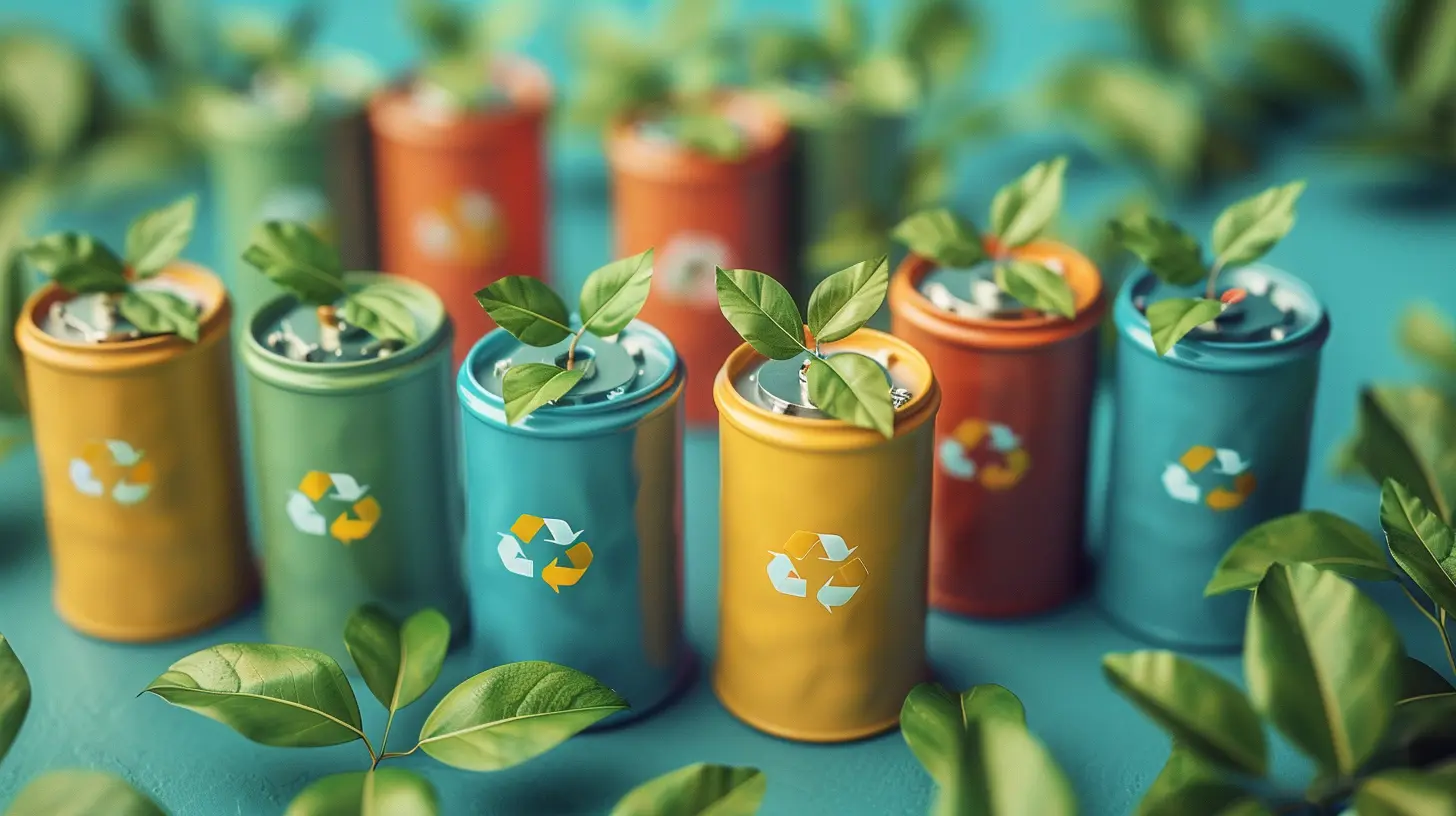
Let’s be real—our world runs on batteries. From smartphones to Teslas to smartwatches and even renewable energy grids, batteries are quietly powering our modern lives. But here's the kicker: the batteries we rely on aren't exactly "green." Most of them, particularly lithium-ion batteries, come with a laundry list of environmental and ethical concerns.Think about it: mining for lithium and cobalt is resource-intensive, often environmentally damaging, and frequently tied to questionable labor practices. Not to mention, when these batteries die, we don’t always recycle them properly. That adds up to a lot of toxic waste.
So… what’s the alternative? Good news: there are some pretty exciting green technologies charging up in the background.
Why the Race for Greener Batteries Matters
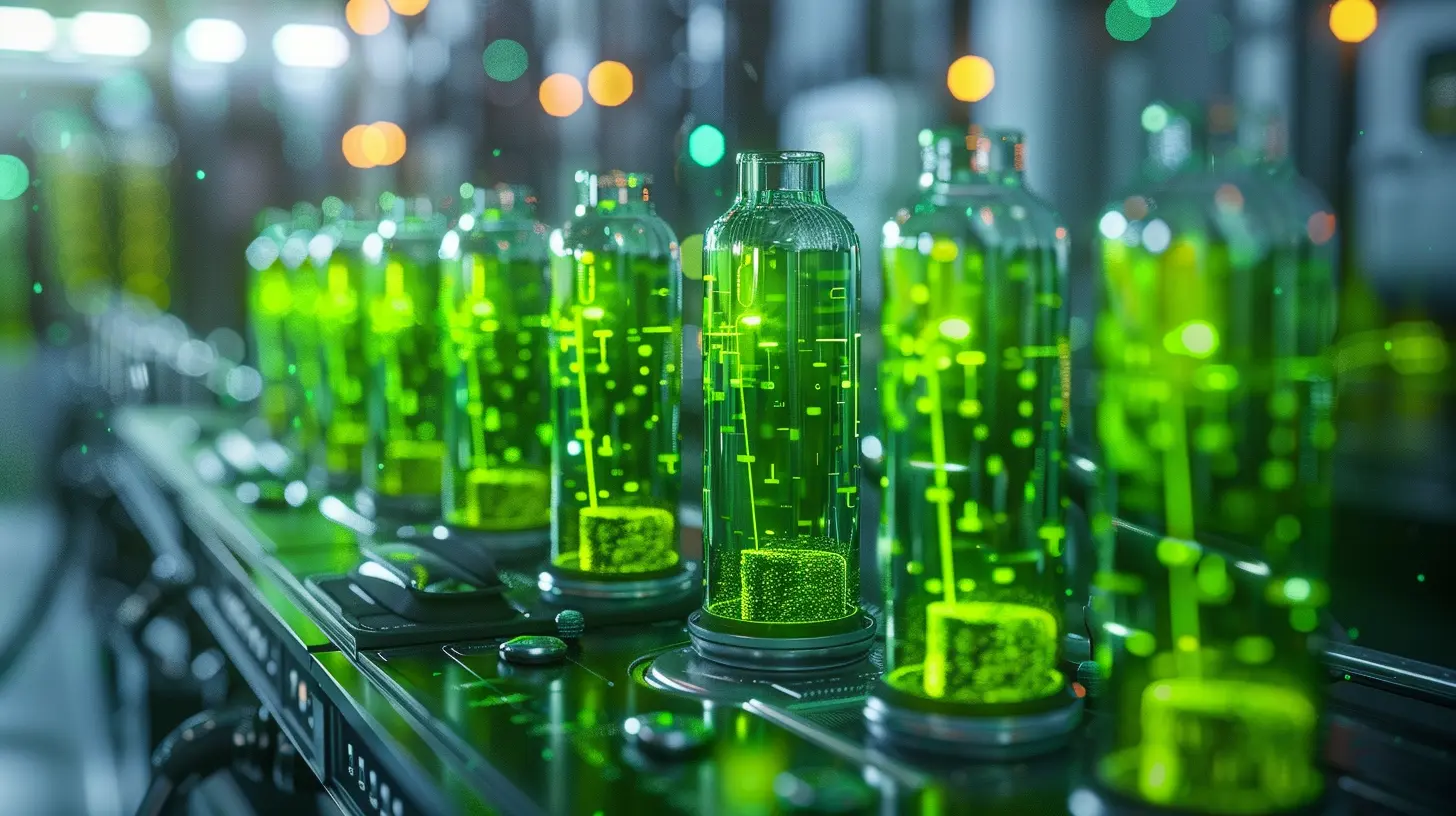
We’re in a global sprint toward sustainability. Governments, companies, and individuals are all on the same page. But if we want to build a cleaner future, we have to rethink how we store energy.Here’s why:
- Electric Vehicles (EVs) are the future of transport, but better batteries are crucial to take them mainstream.
- Renewable energy sources like solar and wind are super clean, but they’re intermittent. Batteries store that energy for use when the sun isn’t shining or the wind isn’t blowing.
- Smart devices are growing exponentially. The more devices we have, the more efficient and sustainable our energy storage needs to be.
Let’s take a dive into the most promising green battery alternatives that are ready to disrupt the game.
1. Solid-State Batteries: Safe, Stable, and Superpowered
Okay, quick science break: Traditional lithium-ion batteries use liquid electrolytes to move ions between the anode and cathode. Solid-state batteries ditch the liquid and go… well… solid.What’s the Big Deal?
Solid-state batteries are safer (no flammable liquids), can store more energy, and charge faster. Kind of like upgrading from a flip phone to a smartphone. Companies like Toyota and Samsung are heavily investing in this tech, and it may be hitting the market sooner than you think.Why It’s Green
These batteries use fewer toxic materials and often have a longer lifespan. Plus, because they’re more efficient, we’ll need fewer of them. Less waste, smaller environmental footprint.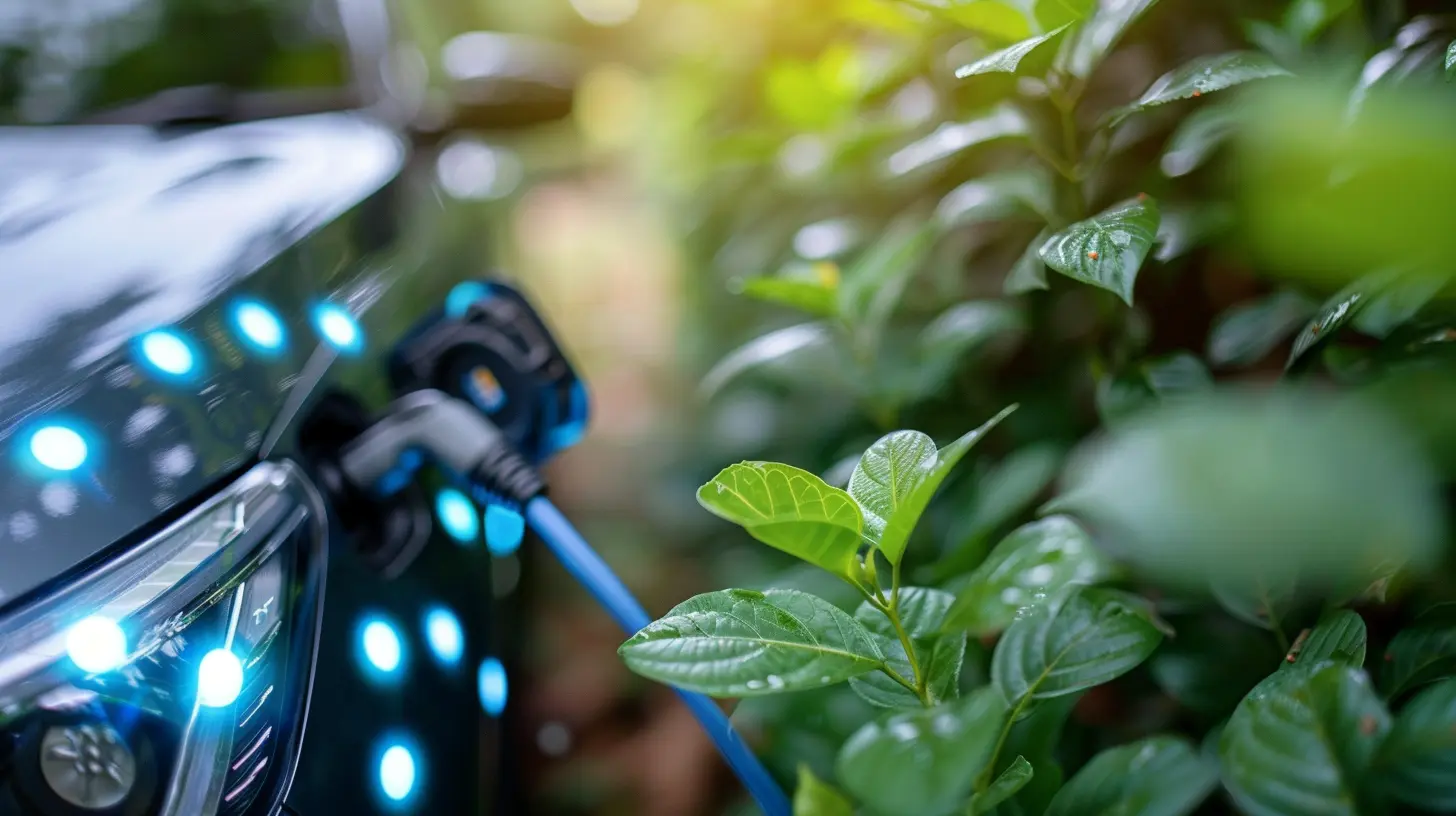
2. Sodium-Ion Batteries: The Salt of the Earth
Lithium is rare and expensive. Sodium? Not so much. In fact, it's literally everywhere—like in seawater and table salt.What Makes Sodium-Ion Cool?
Sodium-ion batteries work similarly to lithium-ion but use sodium instead. They’re cheaper to make, potentially more environmentally friendly, and eliminate the need for rare minerals.The Green Bonus
No need for lithium or cobalt means less mining damage. Sodium is abundant, so that means a more democratic, globally accessible energy tech future.3. Flow Batteries: Energy in Motion
Flow batteries are like a science experiment in your basement—two tanks of liquid electrolytes that store energy. You charge them by pumping the liquids through a membrane.Why Engineers Love Them
They’re perfect for large-scale energy storage (think: entire cities or solar/wind farms). You can scale them easily, and they last for decades. Plus, you can instantly “refill” them by replacing the liquid.Environmentally Speaking…
Depending on the materials used, flow batteries can be highly recyclable and use non-toxic electrolytes. Imagine storing wind energy overnight to keep the lights on without touching fossil fuels.4. Zinc-Air Batteries: Breathing New Life into Storage
Zinc-air batteries use oxygen from the air as one of their components. Talk about using what's already around us!What’s Special About Them?
They’re lightweight, incredibly energy-dense, and use natural, abundant materials. That makes them perfect for hearing aids today—but potentially EVs tomorrow.The Sustainability Angle
Zinc is easier to source and more environmentally friendly than lithium. Plus, these batteries don’t use flammable components. Win-win, right?5. Organic Batteries: Powered by Plants?
Yes, you read that right. Scientists are developing organic batteries made from plant-based polymers rather than metal-based components.Wait, What?
These batteries are biodegradable and made from renewable materials. Imagine tossing your old battery in a compost bin one day. That’s the future researchers are aiming for.The Green Factor
No mining, no toxins. Just clean energy storage that returns to the Earth without leaving a trace. It’s the kind of eco-friendliness we desperately need.6. Recyclable and Second-Life Batteries: Don’t Toss it, Reuse it
Not all battery innovation comes from fresh builds. Some of the most impactful changes involve what we do with batteries after they’ve “died.”Give Your Battery a Second Wind
Companies like Tesla and Redwood Materials are investing seriously in battery recycling and second-life usage. That might mean repurposing old EV batteries for home energy systems.Why It Matters
Less e-waste, more sustainable use of rare resources, and a circular economy that benefits both the planet and your wallet.Challenges Ahead: What’s Still Slowing Us Down?
Alright, it’s not all roses and sunshine. Developing green batteries at scale comes with hurdles:- Cost: New tech is usually pricey at first.
- Infrastructure: Switching means rebuilding a lot of manufacturing plants and supply chains.
- Performance Trade-offs: Some green batteries aren’t as energy-dense or fast-charging… yet.
But change doesn’t happen overnight. Remember how weird electric cars seemed 15 years ago? Now, they’re taking over highways.
Big Names Betting Big on Green Batteries
It’s not just startups tinkering in garages. Huge companies and governments are investing billions into green battery research.- Apple wants fully recycled materials in its products.
- Tesla is building "megafactories" for battery production.
- The EU and China have both declared battery recycling and innovation national priorities.
These giants aren’t betting small. They're going all in on clean energy storage.
What Can You Do As a Tech-Savvy Consumer?
No, you don’t need a PhD in chemistry to make a difference. Here are a few quick wins:1. Recycle old electronics—most contain batteries that can be reused.
2. Support companies using ethical and sustainable battery tech.
3. Spread the word—talk to friends and family about greener battery options.
4. Upgrade smart—when buying new tech, ask about battery sourcing and recyclability.
The Light at the End of the Charging Cable
So, are green alternatives around the corner? Absolutely. In some cases, they’re already here. From sodium to zinc, from solid-state to second-life, we’re entering an electrifying new age of clean energy storage.The battery revolution might not make flashy headlines every day, but it’s laying the groundwork for a more sustainable—and seriously exciting—future.
Imagine a world where your tech charges faster, lasts longer, and doesn’t harm the planet. That world is not in some distant sci-fi movie. It’s just around the next corner.
And guess what? We all get to be part of the charge.
all images in this post were generated using AI tools
Category:
Sustainable TechAuthor:

Kira Sanders
Discussion
rate this article
2 comments
Juniper Lewis
Exciting developments ahead! Green battery alternatives could revolutionize energy storage and sustainability in tech.
March 13, 2026 at 3:24 AM
Kira Sanders
Thank you! We're thrilled about the potential of green battery alternatives to transform energy storage and promote sustainability in technology.
Felicity Murphy
Great article! It’s exciting to explore the future of battery technology and the potential of green alternatives. Innovation in this field is crucial for sustainability. Looking forward to seeing how these developments will shape our energy landscape!
March 10, 2026 at 5:16 AM
Kira Sanders
Thank you! I'm glad you enjoyed the article. Exciting times ahead for battery innovation and sustainability!