The Best Tech Gadgets for Students Heading Back to School in 2027
20 September 2026
Back to school shopping in 2027 looks nothing like it did five years ago. The baseline has shifted. A laptop alone no longer covers it. Students now juggle hybrid classes, AI-assisted coursework, cloud-based labs, and a social layer that runs entirely through a phone. The gadget decisions you make in August will shape how you study, sleep, focus, and spend for the next two semesters.
This guide is not a list of the flashiest products on a shelf. It is a decision framework, followed by specific categories of gear worth your money, with the reasoning behind each pick. If you read it end to end, you should be able to walk into any store or product page and judge for yourself whether something belongs in your bag.
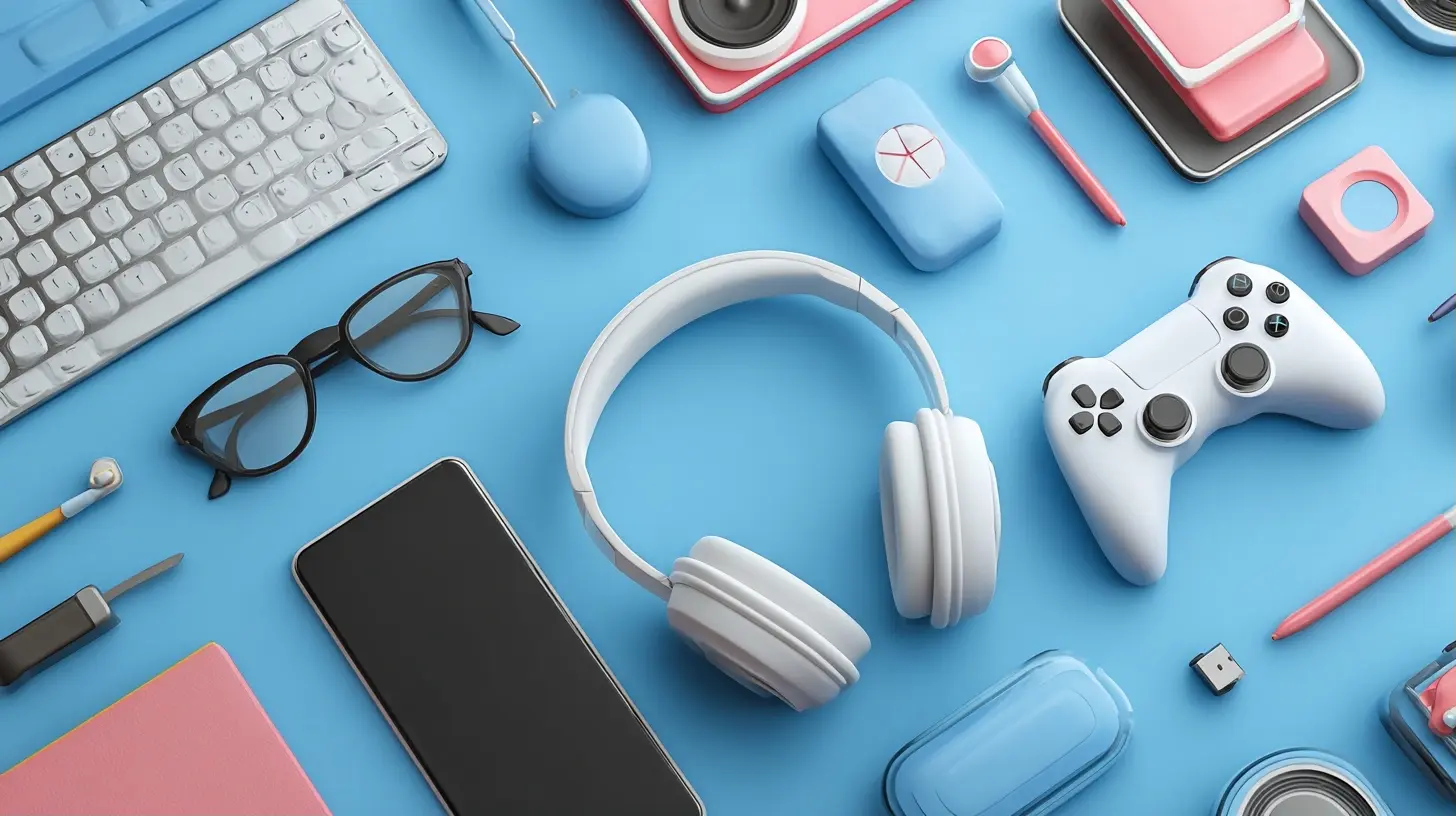
Start With the Workflow, Not the Wishlist
Most students buy gadgets in the wrong order. They see a deal, buy it, then try to fit it into their routine. That is how people end up with three chargers, two note apps, and a tablet that never leaves its case.Do this instead. Write down the five things you actually do every week. For a typical undergraduate in 2027, that list might look like this:
- Attend two or three in-person lectures and one or two remote sessions
- Write long-form papers or lab reports
- Run subject-specific software (statistics, CAD, coding environments, music production)
- Collaborate on group projects across time zones
- Manage a part-time job, internship, or research assistant role
Now map each task to a device. If a task appears on more than one device, you have redundancy. Redundancy costs money and attention. Attention is the scarcer resource in school.
The rule that follows from this: buy one primary computing device, one capture device, and one connectivity layer. Everything else is optional. Most students who struggle with their tech setup have too many devices, not too few.

The Primary Computer: Where the Real Decision Lives
Your laptop or desktop is the only purchase that genuinely matters. Get this wrong and no accessory will save you.Laptop vs desktop vs both
A laptop is the default for a reason. It moves with you, it handles 90 percent of coursework, and it doubles as a second screen setup when docked. The trade-off is thermal headroom. Thin laptops throttle under sustained load, which matters if you run simulations, compile large projects, or edit video.A desktop gives you more performance per dollar, easier repairs, and a better keyboard and display for long sessions. The cost is portability. If your classes are in person, a desktop alone is usually a mistake.
The both approach works for students in demanding majors, but only if you have a clear split: desktop for heavy work, a cheap reliable laptop for class. Do not buy two expensive machines. Buy one expensive machine and one disposable one.
What to prioritize in 2027
Three specs matter more than the marketing numbers.Memory. 16 GB is the floor for a smooth experience in 2027. 32 GB is worth it if you run virtual machines, large datasets, or creative software. Memory is not upgradeable on most modern laptops, so this is a buy-once decision.
Storage. 512 GB is workable. 1 TB is comfortable. Cloud storage is not a substitute for local space because campus Wi-Fi fails when you need it most.
Battery and thermals. A laptop that lasts nine hours of real use beats one that benchmarks 20 percent faster but dies by lunch. Look for reviews that measure sustained performance, not peak scores.
The operating system question
Windows, macOS, and Linux each have a real argument.Windows gives you the widest software compatibility, the best price-to-performance at the midrange, and access to gaming hardware. It also comes with more maintenance overhead and inconsistent build quality across brands.
macOS offers excellent battery life, strong resale value, and a polished ecosystem if you also own an iPhone or iPad. The trade-off is price and limited repairability.
Linux is free, fast on older hardware, and ideal for computer science students. It is a poor choice if your department requires specific commercial software that does not run natively.
The honest answer: pick the platform your department assumes you have. Ask a professor or an upperclassman before you buy. This single conversation prevents more regret than any spec sheet.

Tablets and E-Readers: Useful, But Only in Specific Cases
Tablets are the most misunderstood category in student tech. They are excellent for reading, annotating PDFs, sketching diagrams, and handwriting notes with a stylus. They are poor substitutes for a laptop when you need to write a 10-page paper, run statistics software, or manage multiple windows.Buy a tablet if at least two of these are true:
- Your courses rely heavily on PDFs, scanned readings, or textbooks
- You take notes by hand because typing distracts you
- You draw, diagram, or annotate frequently
- You want a lighter device for commutes and library sessions
Skip it if you mostly type, if your work is code-heavy, or if your budget is tight. A tablet plus a keyboard case often costs more than a better laptop, and it does less.
E-readers are a separate case. A dedicated e-ink device is easier on the eyes for long reading sessions and holds a charge for weeks. It is a good second device for humanities students who read novels and papers. It is nearly useless for anything interactive.
A note on the stylus
The stylus is what makes a tablet worth owning. Without one, you have a media consumption device. With one, you have a notebook, a whiteboard, and a sketchpad. If you buy a tablet and skip the stylus, you have probably bought the wrong thing.
Audio: The Most Underrated Category
Students underestimate audio gear and then wonder why they cannot focus in a noisy dorm or library. Good audio is not about bass. It is about control over your environment.Headphones: over-ear vs in-ear
Over-ear headphones with active noise cancellation are the single best focus tool a student can own. They block HVAC hum, chatter, and traffic. The trade-off is size and heat. In summer, they get uncomfortable.In-ear monitors or earbuds are portable and discreet. Modern active noise cancellation in earbuds has closed much of the gap with over-ear models. The trade-off is battery life per charge and fit. Poor fit ruins noise cancellation entirely.
A practical setup: one pair of over-ear headphones for deep work at a desk, one pair of earbuds for commuting and the gym. Do not spend equally on both. Put the money into whichever you will wear more hours per day.
Microphones matter more than you think
Remote classes, recorded presentations, and job interviews all run through your microphone. Laptop mics pick up keyboard noise and room echo. A simple USB microphone or a headset with a boom arm fixes both problems for a modest cost.If you do any content creation, tutoring, or online interviewing, this is not optional. It is the difference between sounding professional and sounding like you are calling from a tunnel.
Charging, Cables, and Power: The Boring Category That Saves Your Semester
Every year, students waste money on the wrong cables and then replace them. Here is how to avoid that.Understand USB-C power delivery
USB-C is the standard, but not all USB-C cables are equal. Some carry data only. Some carry power only. Some handle both at high wattage. Check the cable's rated wattage and data speed before buying. A cable rated for 60W will charge a phone fine but may not keep a laptop alive under load.One charger to rule them all
A 100W or 140W gallium nitride (GaN) charger can power a laptop, phone, tablet, and earbuds from a single brick. This replaces three or four chargers in your bag and reduces weight. The trade-off is cost and the fact that total wattage is shared across ports. If you plug in a laptop and a tablet, the laptop may charge slower.Power banks
A power bank is worth carrying if you commute, travel to competitions, or attend long days on campus without outlet access. Look for one rated at 20,000 mAh or higher with USB-C power delivery. Cheap power banks lie about capacity and can damage devices. Buy from established brands and check the warranty.Common mistake: buying accessories before the laptop
Students often buy a case, a hub, and a stand before the laptop arrives, then find they do not fit. Wait until the primary device is in hand. Measure. Then buy.
Storage and Backup: The Part Everyone Skips Until They Lose a Thesis
There are two separate problems here. One is having enough space. The other is not losing your work.Local storage
External SSDs have become small, fast, and affordable. A 1 TB or 2 TB portable SSD is a reasonable purchase for anyone working with video, large datasets, or a growing photo library. Mechanical hard drives are cheaper per terabyte but slow and fragile in a backpack. Skip them for portable use.Backup strategy
The 3-2-1 rule is the standard for a reason: three copies of important data, on two different types of media, with one copy off-site. For a student, that can look like this:- Working copy on your laptop
- Automatic sync to a cloud service
- Weekly copy to an external SSD kept in a different room or bag
Cloud sync is not backup. If you delete a file locally and the sync runs, the cloud copy disappears too. Version history helps, but it is not a substitute for a real backup. Set up automatic backups once and forget them. Manual backups never happen when you are busy.
Connectivity: Hubs, Docks, and Wi-Fi
Modern laptops have fewer ports. That is fine if you plan for it.The dongle problem
A single USB-C hub with HDMI, USB-A, SD card, and pass-through charging covers most student needs. Buy one good hub instead of five cheap adapters. Cheap hubs overheat, drop connections, and sometimes damage the host device.Docking stations
If you use an external monitor, keyboard, and mouse at a desk, a proper docking station is worth the cost. It turns a laptop into a desktop in one cable. This is one of the highest-value upgrades for a student who studies primarily in one place.Wi-Fi and cellular
Campus Wi-Fi is often congested and sometimes restricted. A phone hotspot is a reasonable backup for short sessions. A dedicated mobile hotspot is rarely worth the monthly cost for a student unless you travel frequently. Check your phone plan before buying extra hardware.
Study-Specific Gadgets Worth Considering
Beyond the core setup, a few categories earn their place.Smart pens and note systems
Smart pens digitize handwriting and sync it to an app. They work well for students who think better on paper but want searchable notes. The trade-off is cost, proprietary notebooks, and the risk of abandoning the system after a month. Try one before committing.E-ink writing tablets
These devices combine the focus of paper with digital storage. They are excellent for reading and annotating, and they remove the distraction of notifications. They are poor for anything requiring color, video, or heavy multitasking.Portable monitors
A second screen dramatically improves productivity for coding, research, and writing. Portable monitors are thin, USB-C powered, and fit in a laptop sleeve. The trade-off is cost and the need for a stable surface. If you work at a fixed desk, a full-size monitor is cheaper and better.Time and focus tools
Physical timers, focus apps, and website blockers are not glamorous, but they work. The best tool is the one you will actually use. A cheap kitchen timer on your desk often beats a complex app you forget to open.What to Skip
Some gadgets look useful and are not.- Smartwatches for studying. They add notifications, not remove them. Buy one for fitness or health tracking, not productivity.
- VR headsets for coursework. Outside of specific programs, they are entertainment devices. Do not let a sales pitch convince you otherwise.
- Budget laptops with 8 GB of RAM. They will feel slow within a year. The savings are not worth the frustration.
- Extended warranties on reliable brands. Read the terms. Most cover less than you think.
- Gaming peripherals for general study. RGB keyboards and high-DPI mice do not improve writing or research.
Budgeting: How to Allocate Realistically
If you have a fixed budget, allocate in this order:1. Primary computer
2. Backup and storage
3. Audio (headphones or earbuds)
4. Charging and cables
5. Hub or dock
6. Everything else
Spend the most on the device you touch every day. Spend the least on accessories that are easy to replace. Resist the urge to buy everything at once. A staggered purchase over two months lets you learn what you actually need.
Buying used and refurbished
Refurbished laptops from the manufacturer are often excellent value. They come with a warranty and are tested. Buying used from a stranger is riskier, but fine if you can inspect the device and check the battery cycle count. Avoid used storage devices. You cannot verify their history.Student discounts
Many manufacturers and software companies offer student pricing. These discounts are real and often significant. Verify eligibility through your school email or student ID. Do not assume a sale price is better than the student price. Compare both.Setting Up for the Long Term
The gadgets are only half the equation. The setup matters.- Name your devices consistently. It makes finding them on a network trivial.
- Turn on automatic updates. Security patches matter more on campus networks.
- Use a password manager. Reusing passwords across school and personal accounts is a real risk.
- Enable two-factor authentication on your school account, email, and cloud storage.
- Label your chargers and cables with tape or tags. You will lose fewer of them.
- Keep receipts and warranty information in one folder, digital or physical.
None of this is exciting. All of it prevents problems that cost time and money later.
A Realistic Example Setup
To make this concrete, here is a balanced setup for a typical undergraduate in a mixed major, assuming a moderate budget:- A midrange laptop with 16 GB RAM and 512 GB storage
- A 100W GaN charger with two USB-C ports and one USB-A port
- A USB-C hub with HDMI, USB-A, and SD card slots
- Over-ear noise-cancelling headphones
- A 1 TB portable SSD for backup
- A cloud storage subscription tied to the school account
- A simple wired or wireless mouse
That covers nearly every scenario. Add a tablet with a stylus if your courses are reading-heavy. Add a portable monitor if you work at a fixed desk. Add a USB microphone if you present or interview online. Everything else is optional.
Final Thoughts
The best tech for school in 2027 is not the newest or the most expensive. It is the gear that fits your actual workflow, survives a full day, and does not demand constant attention. Buy fewer things. Buy better things. Set them up once, properly, and then get back to the work that matters.The students who thrive are not the ones with the most gadgets. They are the ones whose tools disappear into the background, leaving room for focus, rest, and the parts of school that no device can replace.
all images in this post were generated using AI tools
Category:
Tech GadgetsAuthor:

Kira Sanders