Sustainable Innovation in the World of Electric Aviation
4 April 2026
Electric aviation is coming in hot, and no, it’s not running on hopes and dreams. It's powered by innovation, sustainability, and a desperate attempt to cut down on those nasty carbon emissions.
But how sustainable is electric aviation, really? And what crazy new ideas are pushing it forward? Buckle up (or, you know, securely fasten your metaphorical seatbelt), because we’re about to take off into the future of flight. 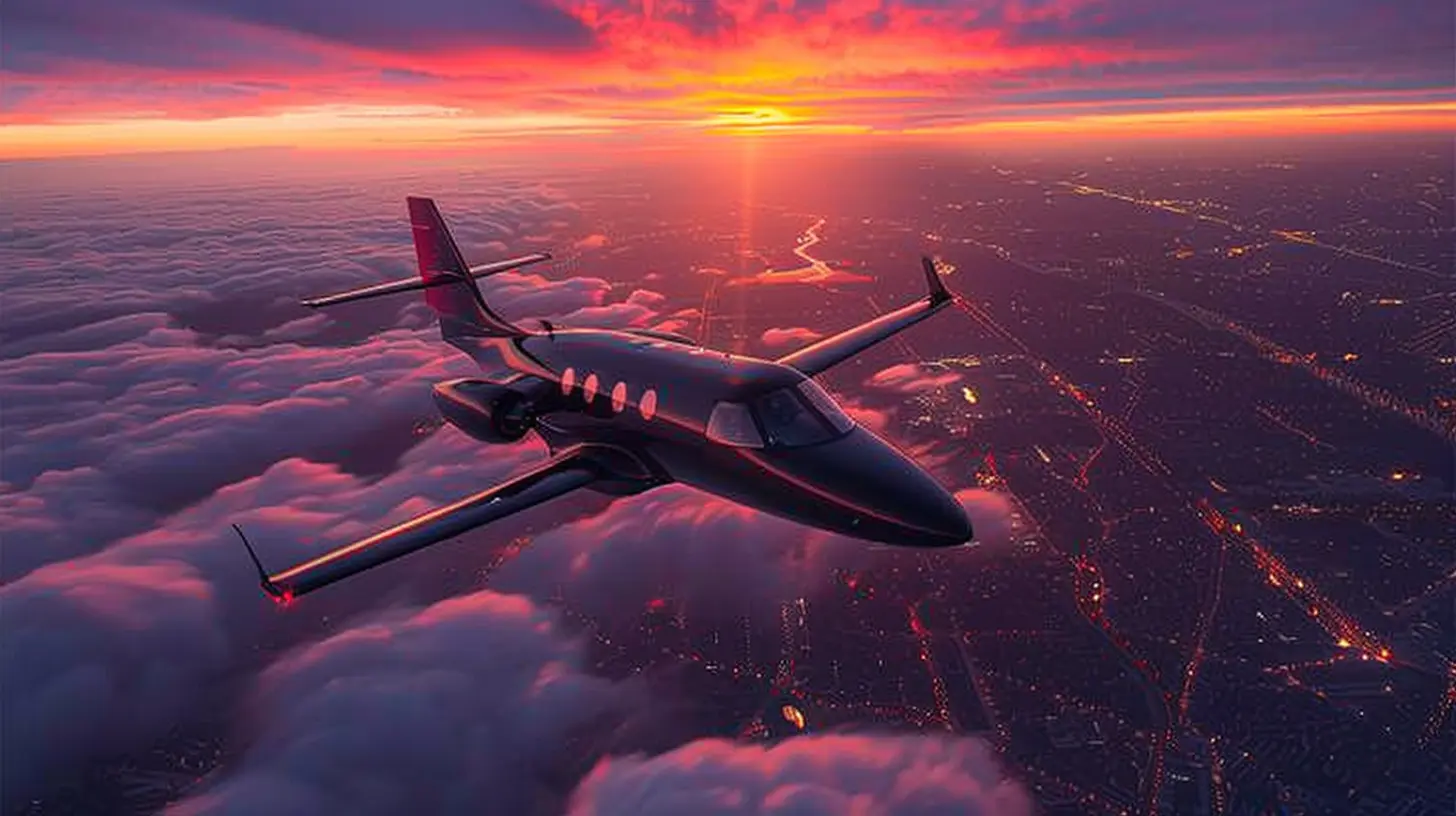
🚀 The Need for Sustainable Aviation
Alright, let’s face it—we humans haven’t exactly been kind to Mother Earth. Commercial aviation is responsible for nearly 2.5% of global CO₂ emissions, and that number just keeps climbing.With millions of flights each year burning through fossil fuels like a teenager with their first credit card, it’s no surprise that the aviation industry is scrambling to clean up its act.
Electric planes are being hailed as the Tesla of the skies, but making them sustainable isn’t just about swapping out an engine or slapping a battery where the fuel tank used to be. There are challenges. Big, heavy, “we-need-a-miracle” kind of challenges. 
✈️ The Challenges of Electric Aviation
Before we get all excited about silent, eco-friendly flights, let's talk about reality. Turning planes electric isn't as simple as plugging in your phone overnight. Here are some of the major speed bumps:1. Battery Technology (AKA, The Elephant in the Cargo Hold)
Lithium-ion batteries are great for an electric car, but for planes? Yeah, not so much. Airplanes need massive amounts of energy to lift off and stay airborne. The problem? Batteries are heavy, and weight is a sworn enemy of aviation.To give you an idea, a Boeing 747 carries around 200,000 liters of jet fuel—the energy equivalent of that in battery form would weigh over a million kg. Unless we want planes with the aerodynamics of a flying brick, we need lighter, more efficient power sources.
2. Limited Range = Short Hops Only
You’re not flying across the Atlantic on an electric plane anytime soon. Most current electric aircraft can barely handle short-haul flights, making them ideal for regional airports but useless for long-haul travel.Unless the Wright brothers make a comeback and hand us some revolutionary new tech, battery-powered commercial airliners are still a distant dream.
3. Charging Infrastructure: The Missing Puzzle Piece
Imagine the chaos if EVs had no fast-charging stations. Now, apply that to airports worldwide. Electric planes need high-powered charging stations, and guess what? Most airports aren’t exactly ready for that kind of upgrade.It’s like buying a brand-new 8K TV but realizing your house only has a fuzzy old cable connection. 
🌱 The Bright Side: Innovations Making It Work
Alright, enough with the doom and gloom. Despite the hurdles, some brilliant minds out there are making sustainable electric aviation a reality. Here’s how:1. Solid-State Batteries: The Game Changer
Scientists are working around the clock to perfect solid-state batteries, which promise to be lighter, more energy-dense, and faster to charge than traditional lithium-ion ones.Think of it like upgrading from a clunky old desktop PC to a sleek, high-powered laptop—more power, less weight, and way more efficient.
2. Hybrid Electric Aircraft: The Best of Both Worlds
Instead of going fully electric, some manufacturers are taking the hybrid approach—using a mix of battery power and fuel. Think of it like a Prius, but with wings.Companies like Airbus and Rolls-Royce are developing these systems, which could slash emissions by up to 50% while still allowing for longer flights.
3. Hydrogen Fuel Cells: The Future or Just Hot Air?
Hydrogen-powered aircraft are gaining traction as an alternative to battery-powered planes. Instead of relying on electricity stored in heavy batteries, these planes use hydrogen fuel cells to produce power.Airbus has already unveiled designs for its ZEROe hydrogen aircraft, aiming to hit the skies by 2035. If they pull it off, it could be a game-changer.
4. Better Aerodynamics & Lighter Materials
Remember how we talked about weight being the enemy of flight? Well, engineers are tackling this by redesigning aircraft to be more aerodynamic and using ultra-light composite materials.Think of it like swapping out your old, bulky winter coat for one of those fancy new insulated jackets that somehow keep you just as warm without making you look like a marshmallow. 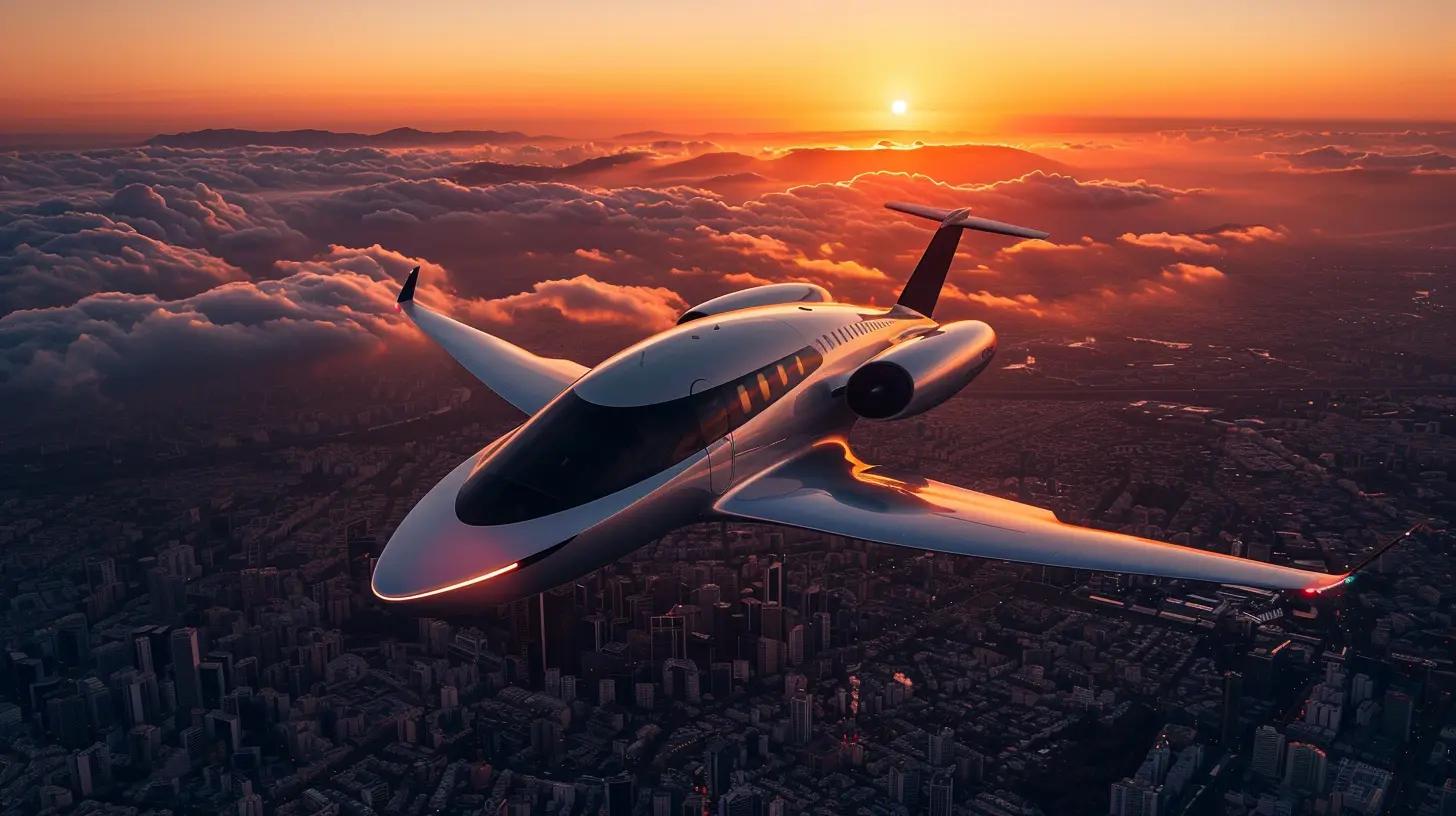
🔋 Who’s Leading the Charge?
Some companies and startups are already in the race to make electric aviation a thing. Here are a few worth watching:1. Eviation Alice
A fully electric commuter aircraft designed to carry nine passengers with a range of about 500 miles. It's basically an electric bus, but in the sky.2. Heart Aerospace
Working on a 19-seat electric plane that could revolutionize regional air travel. Think of it as the UberPOOL of the skies—short, efficient trips with minimal environmental impact.3. Vertical Aerospace
Developing electric vertical takeoff and landing (eVTOL) aircraft, which could one day make flying taxis a reality. Yes, flying Uber rides might actually happen.📅 What’s Next for Electric Aviation?
Electric aviation is still in its toddler phase, learning to walk before it can run. But the potential is massive. With continued advancements in battery tech, hydrogen power, and lightweight materials, we might see full-fledged electric commercial flights within the next few decades.The big question: Will we see an all-electric world fleet in our lifetimes? Maybe. But for now, I’d settle for a short-haul electric flight that doesn’t cost the same as a small car.
✈️ Final Thoughts
Sustainable innovation in electric aviation is happening, whether the world is ready or not. Sure, there are hurdles, battery woes, and infrastructure nightmares, but progress is being made every day.So, the next time you board a plane, just imagine how different things might look in 20 years—silent, emission-free skies and a world where flight guilt is a thing of the past. Sounds pretty great, right?
Until then, let’s keep an eye on the sky and hope that the next big breakthrough is just around the corner.
all images in this post were generated using AI tools
Category:
Sustainable TechAuthor:

Kira Sanders
Discussion
rate this article
2 comments
Tamara Hubbard
Flying green? Just don’t forget to charge your snacks!
April 16, 2026 at 11:15 AM
Kira Sanders
Great point! Sustainable snacks are just as important on our green journey!
Peyton Richardson
This article on sustainable innovation in electric aviation highlights the crucial advancements needed for a greener future. Exploring efficient technologies and eco-friendly practices is essential to reduce carbon footprints while enhancing air travel. Excited to see how these innovations will shape the industry moving forward!
April 8, 2026 at 11:12 AM
Kira Sanders
Thank you for your insightful comment! It's inspiring to see so much enthusiasm for the future of electric aviation and its potential to make air travel more sustainable. Let's keep pushing for these advancements!