How Wearables Are Personalizing Nutrition Guidance
25 November 2026
In recent years, the intersection of technology and health has taken a remarkable turn with the rise of wearables. These devices have moved beyond just tracking steps or heart rate; they are now diving deep into the realm of nutrition. Personalizing nutrition guidance through wearables is not merely a trend; it represents a significant evolution in how we understand our dietary choices and health.

Understanding Wearables in Nutrition Context
What Are Wearables?
Wearables are devices that can be worn on the body, often equipped with sensors to collect data about the user's health and activity. The most popular examples include fitness trackers, smartwatches, and smart clothing. These devices can monitor a variety of metrics, from physical activity and heart rate to sleep patterns and, increasingly, dietary habits.The Role of Data in Personalization
The data collected by wearables is key to personalizing nutrition guidance. By analyzing metrics like activity levels, heart rate variability, and even blood sugar levels, these devices can provide tailored recommendations. This is a significant shift from one-size-fits-all dietary advice. Instead of generic calorie counts or meal suggestions, wearables can offer insights based on individual lifestyle, preferences, and biological responses.
The Science Behind Wearable Technology and Nutrition
Nutritional Biometrics
One of the most exciting advancements in wearable technology is the ability to monitor nutritional biomarkers. Some wearables can assess biometrics that reflect nutritional status, such as glucose levels or hydration status. For instance, a continuous glucose monitor can provide real-time feedback on how different foods affect blood sugar levels, allowing users to adjust their diets accordingly.Algorithms and AI in Nutrition
Wearables often rely on sophisticated algorithms and artificial intelligence to analyze data. These technologies can identify patterns in dietary habits and health indicators over time. For example, if a user's heart rate spikes after consuming certain foods, the wearable might flag this as a potential intolerance, encouraging the user to avoid those foods. This level of personalization helps users make informed decisions about their diets.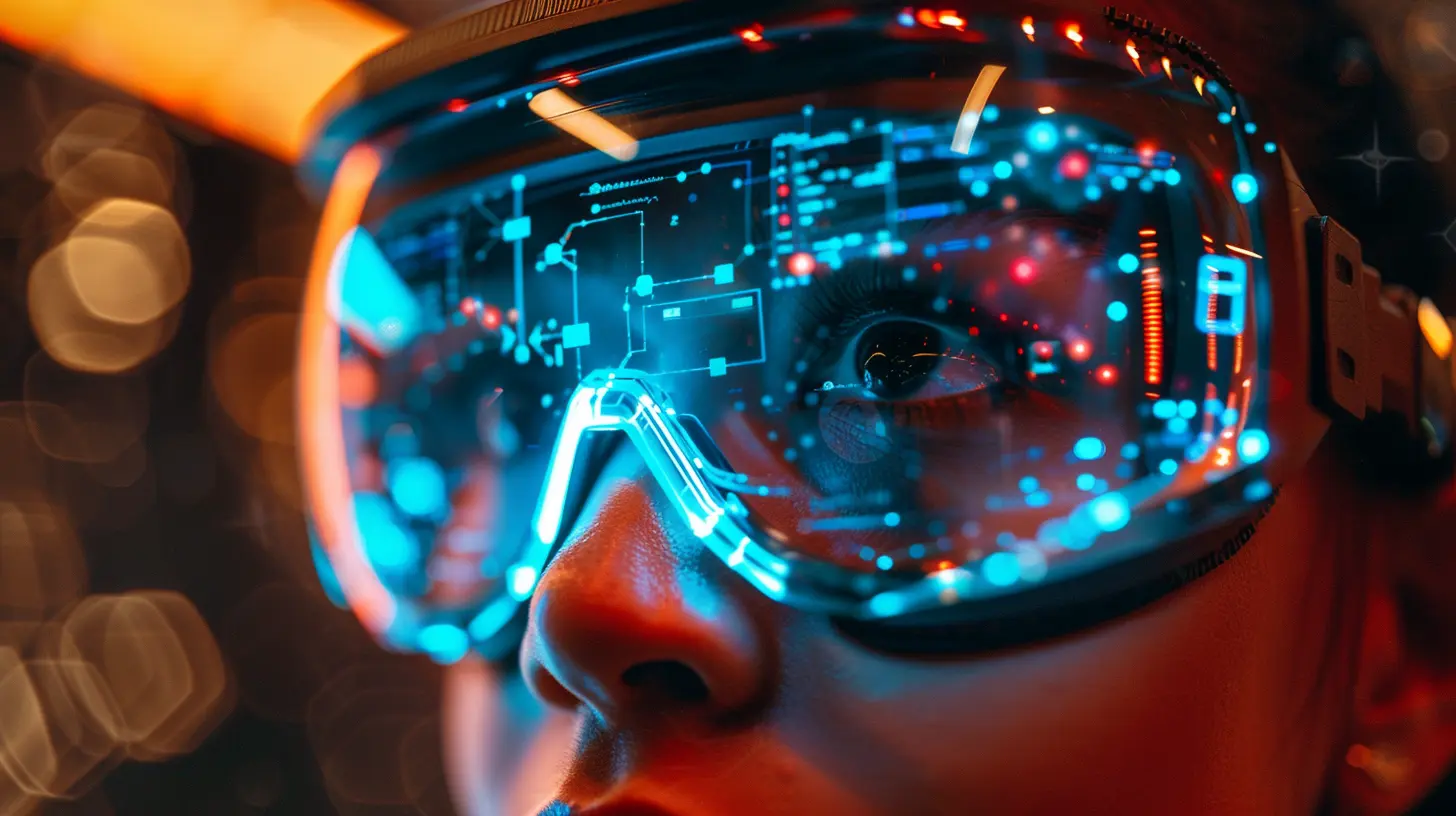
Real-World Applications of Wearables in Nutrition
Case Study: The Role of Wearables in Diabetes Management
Consider individuals managing diabetes. Wearables equipped with glucose monitoring capabilities can profoundly impact their daily lives. These devices provide alerts when blood sugar levels are outside of the target range, helping users understand how their meals affect their condition. Over time, users can gain insights into which foods stabilize their blood sugar and which ones cause spikes, enabling them to tailor their diets with precision.Fitness and Nutrition Integration
For athletes or fitness enthusiasts, wearables can track how nutrition affects performance. A runner might notice that consuming a certain type of carbohydrate before a race improves their stamina, while another might find that high-protein meals enhance recovery. By correlating nutrition intake with performance metrics, wearables provide actionable insights that can lead to better training outcomes.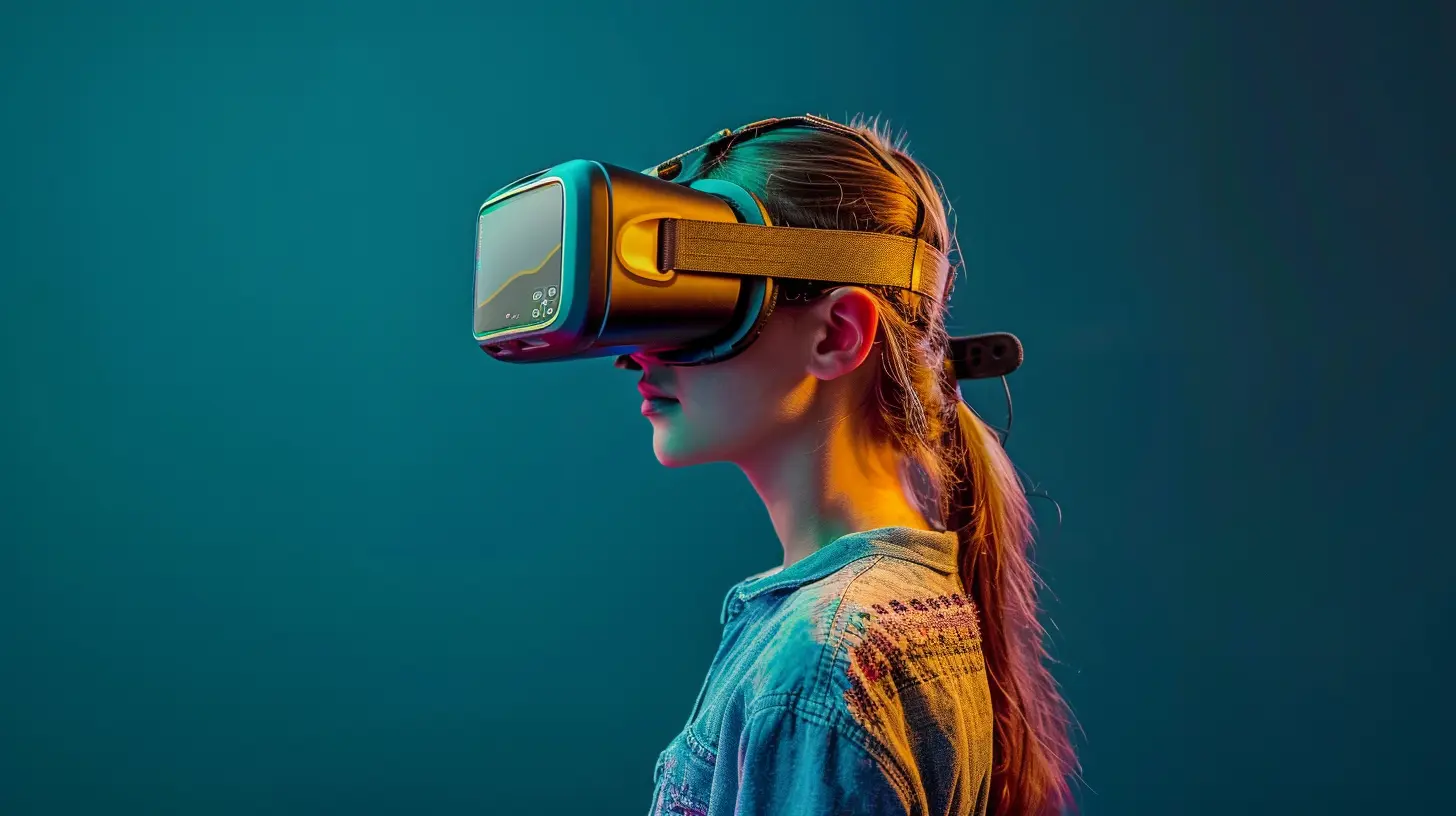
Key Benefits of Personalized Nutrition via Wearables
Enhanced Accountability
One of the primary benefits of using wearables for nutrition guidance is accountability. By having real-time feedback on dietary choices, users are more likely to stay on track with their nutrition goals. The visibility of their habits can motivate them to make healthier choices, particularly when they see the immediate effects of their food intake on their overall well-being.Tailored Recommendations
Personalized nutrition guidance means that users receive recommendations based on their specific needs. For example, a wearable might suggest increased protein intake for someone focusing on muscle gain, while recommending more fiber for someone looking to improve digestion. This level of customization ensures that nutritional guidance is relevant and effective.Better Health Outcomes
The ultimate goal of personalized nutrition through wearables is improved health outcomes. Whether it's managing weight, stabilizing blood sugar, or enhancing athletic performance, having tailored guidance can lead to better adherence to nutritional plans and, consequently, better health.Challenges and Considerations
Data Privacy Concerns
While the benefits of wearables in nutrition are significant, data privacy is a paramount concern. Users must consider how their health data is collected, stored, and used. Choosing devices from reputable manufacturers that prioritize user privacy can help mitigate these concerns.User Compliance
Another challenge is user compliance. Not everyone may consistently wear their devices or log their meals accurately. Without consistent usage, the data may not reflect true habits, undermining the personalization effort. Encouraging users to understand the importance of regular data input is essential for maximizing the effectiveness of wearables.Possible Misinterpretations
There is also the risk of misinterpreting data. For instance, a spike in glucose levels after eating may not always indicate a problem; it could be a natural response to certain foods. Users must be educated on how to interpret their data accurately and avoid jumping to conclusions based on isolated metrics.
Best Practices for Using Wearables for Nutrition Guidance
Set Clear Goals
Before diving into the world of wearables, users should establish clear, achievable nutrition goals. Whether it's weight loss, muscle gain, or improved energy levels, having specific objectives allows wearables to provide more focused and relevant recommendations.Regularly Update Preferences
As tastes, preferences, and goals change, users should keep their wearable's settings updated. Many devices allow users to input changes in dietary preferences, such as adopting a vegetarian diet or increasing protein intake. Keeping this information current ensures that the guidance remains personalized.Combine with Professional Guidance
While wearables provide valuable insights, they should complement, not replace, professional dietary advice. Consulting with a registered dietitian or nutritionist can help users contextualize their wearable data and develop a holistic nutrition strategy.Stay Informed about New Features
Wearable technology is continually evolving. Users should stay informed about updates and new features that may enhance their nutrition guidance experience. New algorithms, additional sensors, or integration with other health apps can provide deeper insights and better personalization.The Future of Nutrition Guidance with Wearables
Integration with Other Health Technologies
The future of personalized nutrition guidance through wearables is likely to involve greater integration with other health technologies. For instance, combining data from wearables with genetic testing could provide insights into how one's genetic makeup affects dietary needs. This could lead to even more tailored nutrition plans.Increased Focus on Mental Well-being
As the understanding of the connection between nutrition and mental health grows, wearables may begin to incorporate features that monitor emotional well-being. This could help users understand how their dietary choices impact mood and mental clarity, further enhancing the personalization of nutrition guidance.Community and Support Networks
The rise of social features in wearable applications may provide users with community support. Engaging with others who share similar nutrition goals can motivate individuals and create an environment of accountability. Such networks can also facilitate the sharing of tips and experiences, enriching the personalization aspect.
Conclusion
Wearables are revolutionizing how we approach nutrition guidance, making it more personalized and relevant than ever before. By leveraging data, technology, and insights, these devices empower users to make informed decisions about their diets. While challenges exist, the benefits of enhanced accountability, tailored recommendations, and improved health outcomes are significant. As technology continues to advance, the possibilities for personalized nutrition guidance are boundless.
all images in this post were generated using AI tools
Category:
Fitness TrackersAuthor:

Kira Sanders