How Robotics is Shaping the Future of Elderly Care
11 December 2025
Let’s face it—when most people think about robots, they picture sci-fi movies, galaxy-level wars, or those overly enthusiastic robot vacuums that love getting stuck under the couch. But let me hit you with a plot twist. The real story? Robots are rolling up their metaphorical sleeves and entering the not-so-glamorous world of elderly care. Yep. Grandma’s new best friend might not be her cat anymore—it could be a robot that doesn’t shed or scratch the furniture.
Before you panic and start shouting, “Skynet is coming for Nana!” take a deep breath. This isn’t about replacing human caregivers with soulless machines. Nah, it’s about enhancing care, adding a little tech sparkle to aging, and making sure that our seniors don't just live longer—they live better.
Intrigued? Buckle up (or at least settle into a comfy chair), because we’re diving deep into how robotics is reshaping the future of elderly care—with a little wit, a dash of sarcasm, and lots of interesting facts.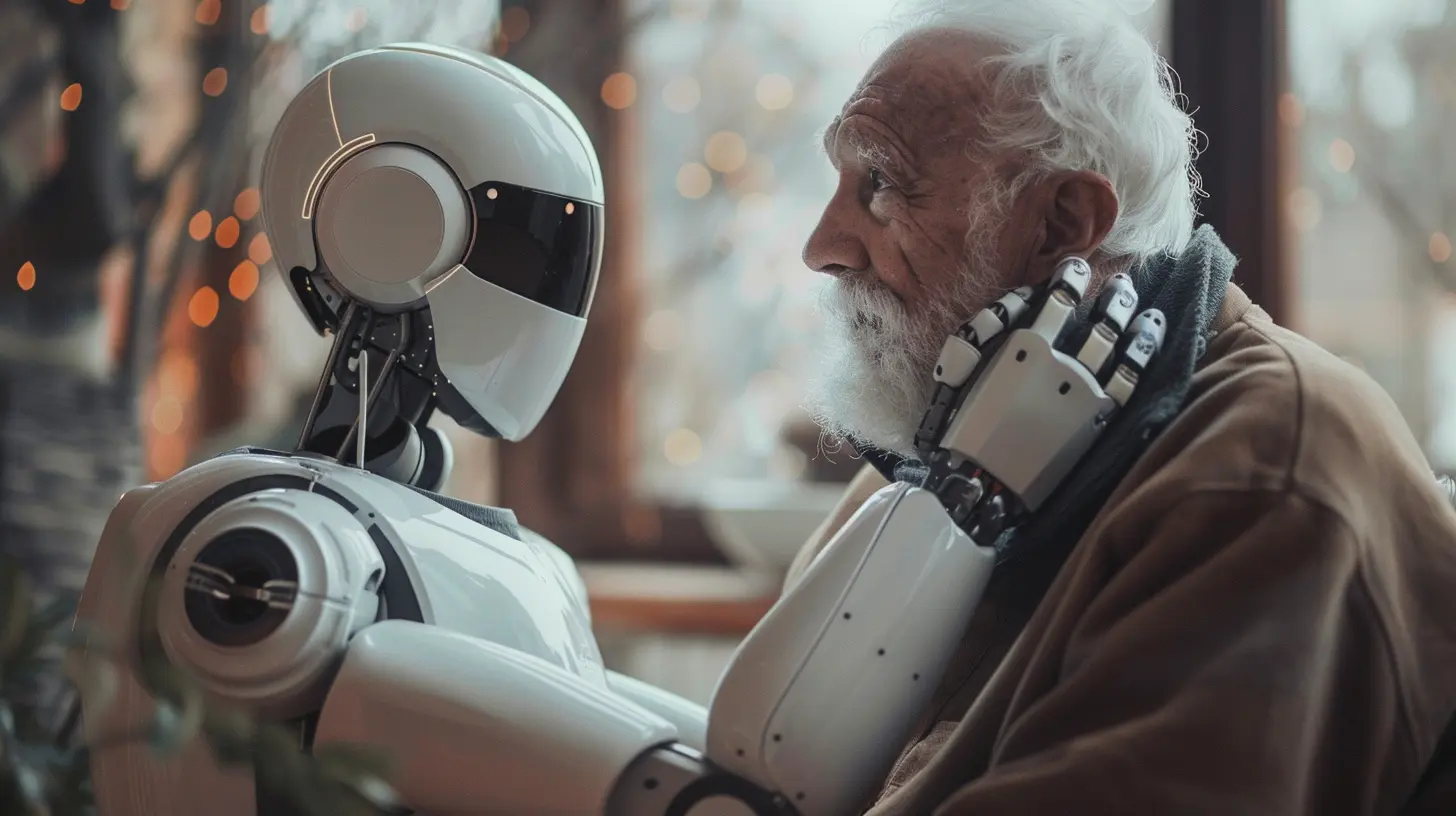
Welcome to the Age of Robo-Companions
So, what does the future of elderly care look like? Picture this: Instead of worrying about who’s going to help mom take her meds or remind grandpa where he put his glasses (again), robots can step in like high-tech fairy godmothers. Except instead of magic wands, they come with sensors, AI algorithms, and surprisingly soothing voices.Robots That Chat and Chill
Let’s talk about companion robots. These aren’t your clunky, monotone-talking tin cans from the 1950s. Today’s social robots have personality. They smile (digitally), tell jokes (some better than others), and can carry on conversations that won’t drive seniors up the wall. One company even designed a robotic seal named Paro. Yep, a seal. It blinks, it reacts to touch, and it weirdly makes people happy.For someone who might be living alone, that robotic chatterbox can make a huge difference. It’s like having a roommate who never argues about what's for dinner and doesn't hog the bathroom. Total win.
Medication Mishaps? Not on Robo’s Watch
We all know the struggle of remembering to take medicine. It's like a game of "Did I or didn’t I take that pill?" except the consequences are a tad more serious than forgetting where you parked your car.Medication-Dispensing Robots
These robots are the ultimate pill pals. They track medication schedules, dispense the right dose with zero side-eye, and even nag—uh, I mean gently remind—people when it’s time to take them.Better yet, some even connect to apps that notify caregivers and family members if doses are missed. So, instead of guessing whether grandma is downing her blood pressure meds or feeding them to the cat, you’ll know for sure. Handy, right?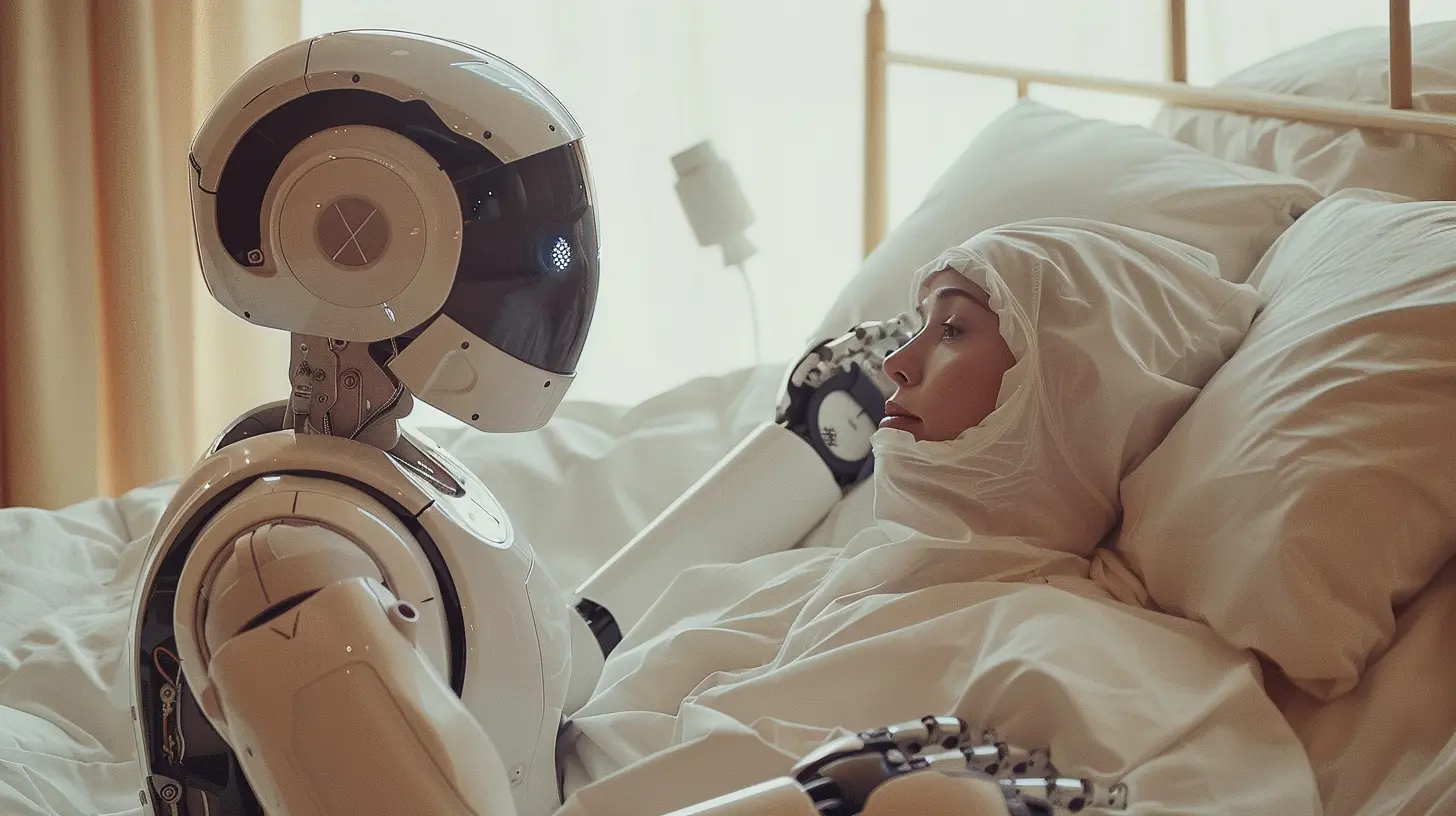
Robo-Mobility Assistants: Because Falling Isn't Funny
Let’s talk about falls. They’re no joke. In fact, falls are one of the leading causes of injury among the elderly. Enter robotics, stage left.Robots That Help You Move and Groove
We're talking about robotic exoskeletons (think lightweight Iron Man suits) that help people with mobility issues stand up, walk, or just get from the recliner to the fridge without needing a human crane. There are also smart walkers and robotic wheelchairs that adjust to movement patterns and provide support where it's needed most.It’s like giving mobility a tech-powered upgrade, minus the superhero cape (though, really, that should be optional).
Say Goodbye to Boring Exercise… Hello Robo-Fitness Coach
Staying active is super important as we age—but let’s be honest, most seniors aren’t lining up for CrossFit. However, staying sedentary doesn’t really scream “golden years,” either.Robots That Encourage Healthy Movement
Some robots are actually programmed to coach seniors through physical therapy exercises or simple daily motions to help them stay limber. They don’t yell like a boot camp instructor, and they’ll never judge you for skipping leg day.They can also monitor vital signs while you're at it, so your robot yogi becomes a health tracker, too. Multitasking at its finest.
Housework Heroes: Robots Doing the Dirty Work
The dream? Never having to vacuum, mop, or clean out the litter box again. The reality? For the elderly, basic chores can become massive hurdles.The Rise of Domestic Robots
Robotic vacuum cleaners and auto-mops are just the beginning. We're seeing robots that do laundry, clean windows, and even, no kidding, fold clothes. Picture a world where grandma doesn’t have to lift a finger to keep the house sparkling. Suddenly, retirement looks a lot like a five-star hotel stay.And no, robots don’t fight over who took the trash out last. Heaven on earth.
The Emotional Connection: Can Robots Actually Care?
Here’s a spicy debate for your family dinner: Can a robot really care?Spoiler alert: No, robots don’t “care” in the emotional sense. But they can simulate caring behavior, and for many elderly people, especially those facing loneliness, that simulation can be shockingly effective.
Empathy on Demand?
By recognizing speech patterns, facial expressions, and even mood, these bots can tailor their responses. They can “sense” sadness and offer comfort. It’s kind of like Alexa, but with empathy mode turned on. To some, this might seem dystopian. To others, it's a lifeline.So, no, little Timmy—your grandma isn’t being brainwashed by a machine. She’s just enjoying a bit of company without the drama of actual humans.
Smart Homes, Smarter Care
The future of elderly care isn’t just about robots rolling around. It also involves smart homes where everything is connected and responsive.Home Automation and Robotics: A Dream Team
Imagine a home where the lights automatically turn on when someone gets up at night, the stove shuts off by itself if it’s left unattended, and the thermostat adjusts to grandpa’s preferred “Florida in August” setting. Add a robot that can monitor activity, respond to emergencies, and notify loved ones if something’s off? That’s not just convenience—it’s safety.It’s like living in a house that watched too many sci-fi movies and decided to become a responsible adult.
Privacy and the Creep Factor: Let’s Talk About It
Okay, we can’t sugarcoat everything. The idea of having a robot around 24/7 can feel, well, a bit creepy. It's like living with a nosy neighborhood watch… that never blinks.Balancing Safety and Surveillance
The key here is transparency and control. Seniors (and their families) need to understand what’s being monitored, where data is going, and how to turn off features if needed. Tech companies have to prioritize privacy or face a well-deserved digital smackdown.Because no one wants to feel like they’re living in a high-tech fishbowl, not even if that bowl is self-cleaning.
Will Robots Replace Human Caregivers? Short Answer: Nope.
Let’s crush this myth once and for all. Robots are not here to steal jobs or eliminate human connection. They’re here to fill the gaps, provide support, and assist in ways that humans sometimes can’t—like working 24/7 without overtime pay or demanding a coffee break.Human caregivers bring empathy, understanding, and that warm-fuzzy humanness robots haven’t quite nailed (yet). So instead of replacing caregivers, robots are more like sidekicks—the Robin to your human caregiver Batman. Less tights, more tech.
Challenges? Oh, There Are Plenty.
Of course, nothing’s perfect. There are still roadblocks on the robotic highway to elderly care glory.Technical Glitches and Learning Curves
Robots can malfunction. Seniors might find them hard to use. Some might outright reject them (my grandma once literally unplugged Alexa because it was “too nosy”).Then there’s cost. These machines aren’t exactly dollar-store finds, and accessibility is a major concern. If robotics in elderly care is going to be the future, it needs to be a future everyone can afford—not just the tech elite.
Final Thoughts: Grandma’s New Robotic BFF
So, where are we headed? Picture an elderly care landscape enhanced by gadgets that don’t get tired, robots that care (or at least act like they do), and homes that are smart enough to call for help when things go sideways.It’s not about handing the reins to robots. It’s about sharing the load so that elderly people—and their caregivers—can focus on what really matters: living fully, safely, and with dignity.
Who knew the future of aging could be so… shiny?
all images in this post were generated using AI tools
Category:
Emerging TechnologiesAuthor:

Kira Sanders
Discussion
rate this article
2 comments
Reese Graham
This article presents a compelling view on the role of robotics in enhancing elderly care. It’s exciting to see how technology can improve the quality of life for seniors, ensuring they receive the support and companionship they need. Thank you for shedding light on such an important topic!
December 14, 2025 at 4:00 AM
Kira Sanders
Thank you for your thoughtful comment! I'm glad you found the article insightful and relevant to enhancing elderly care through robotics.
Azura McGehee
Robotics is revolutionizing elderly care by enhancing independence and safety. With assistive devices, monitoring systems, and companionship robots, technology is improving quality of life for seniors while alleviating caregiver burdens.
December 13, 2025 at 6:06 AM
Kira Sanders
Thank you for your insightful comment! I completely agree that robotics is significantly enhancing the quality of life for seniors and easing the challenges faced by caregivers.