How Biotech and AI Policy Are Converging
11 November 2026
In recent years, the convergence of biotechnology and artificial intelligence has transformed how we approach healthcare, agriculture, and environmental sustainability. This convergence is not simply a trend; it is a complex interplay of policy, ethics, innovation, and technology that holds the potential to reshape industries and improve lives. Understanding the current landscape of biotech and AI policy is crucial for stakeholders ranging from policymakers to entrepreneurs.

The Intersection of Biotech and AI
Defining Biotech and AI
Biotechnology involves using biological systems or organisms to develop or create products, often for medical or agricultural purposes. This can range from genetic engineering to biomanufacturing. Artificial intelligence, on the other hand, refers to the simulation of human intelligence in machines programmed to think and learn. The fusion of these two disciplines is paving the way for innovations such as personalized medicine, precision agriculture, and advanced drug discovery.Why Convergence Matters
The integration of AI into biotechnology is not just about efficiency; it's about unlocking new possibilities. For example, AI algorithms can analyze vast datasets generated from genomic sequencing, leading to breakthroughs in understanding diseases at a molecular level. This convergence allows for improved diagnostics, more effective treatments, and a deeper understanding of biological processes.
Current Policy Landscape
Regulatory Frameworks
The regulatory environment surrounding biotech and AI is evolving rapidly. In the United States, agencies like the Food and Drug Administration (FDA) and the National Institutes of Health (NIH) are at the forefront, setting guidelines for how these technologies can be developed and utilized. In Europe, the European Commission has proposed stringent regulations governing AI, especially in healthcare contexts.Challenges in Regulation
One major challenge is the pace of technological advancement. Policymakers often struggle to keep up with the rapid development of AI and biotech. This lag can lead to regulations that are either outdated or overly restrictive, stifling innovation. For instance, while the FDA has made strides in approving AI-based diagnostic tools, the lengthy approval process can hinder timely access to breakthrough technologies.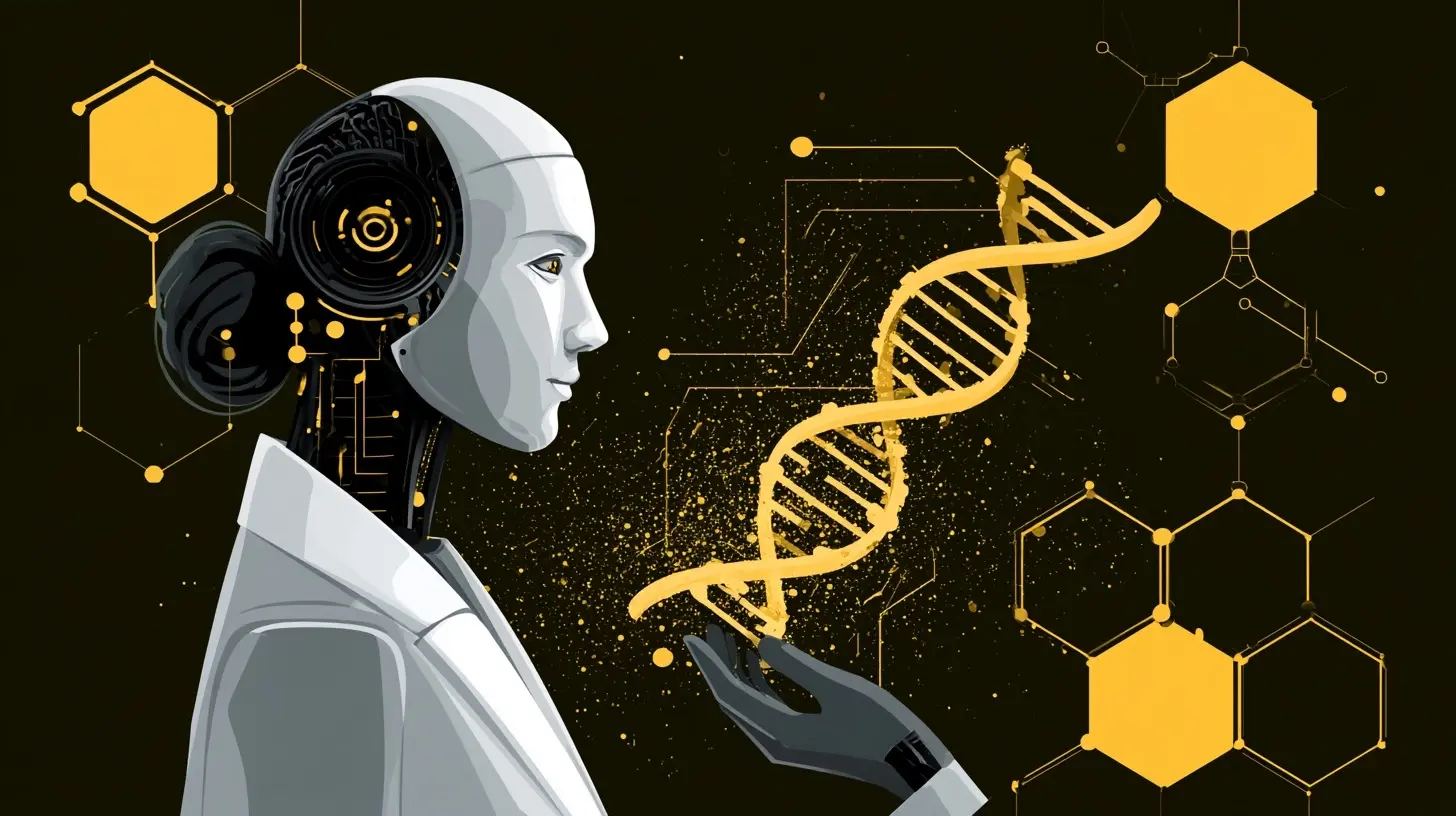
Ethical Considerations
Data Privacy and Security
As biotech increasingly relies on AI, the issue of data privacy becomes paramount. Health data is particularly sensitive, and breaches can have severe consequences. Organizations must navigate the complex landscape of data protection laws, such as the Health Insurance Portability and Accountability Act (HIPAA) in the U.S. and the General Data Protection Regulation (GDPR) in Europe.Bias and Fairness
AI systems can inadvertently perpetuate biases if they are trained on non-representative datasets. In biotech, this could lead to disparities in treatment recommendations or drug efficacy across different demographic groups. Ensuring fairness in AI applications requires rigorous testing and validation processes, along with ongoing monitoring of outcomes.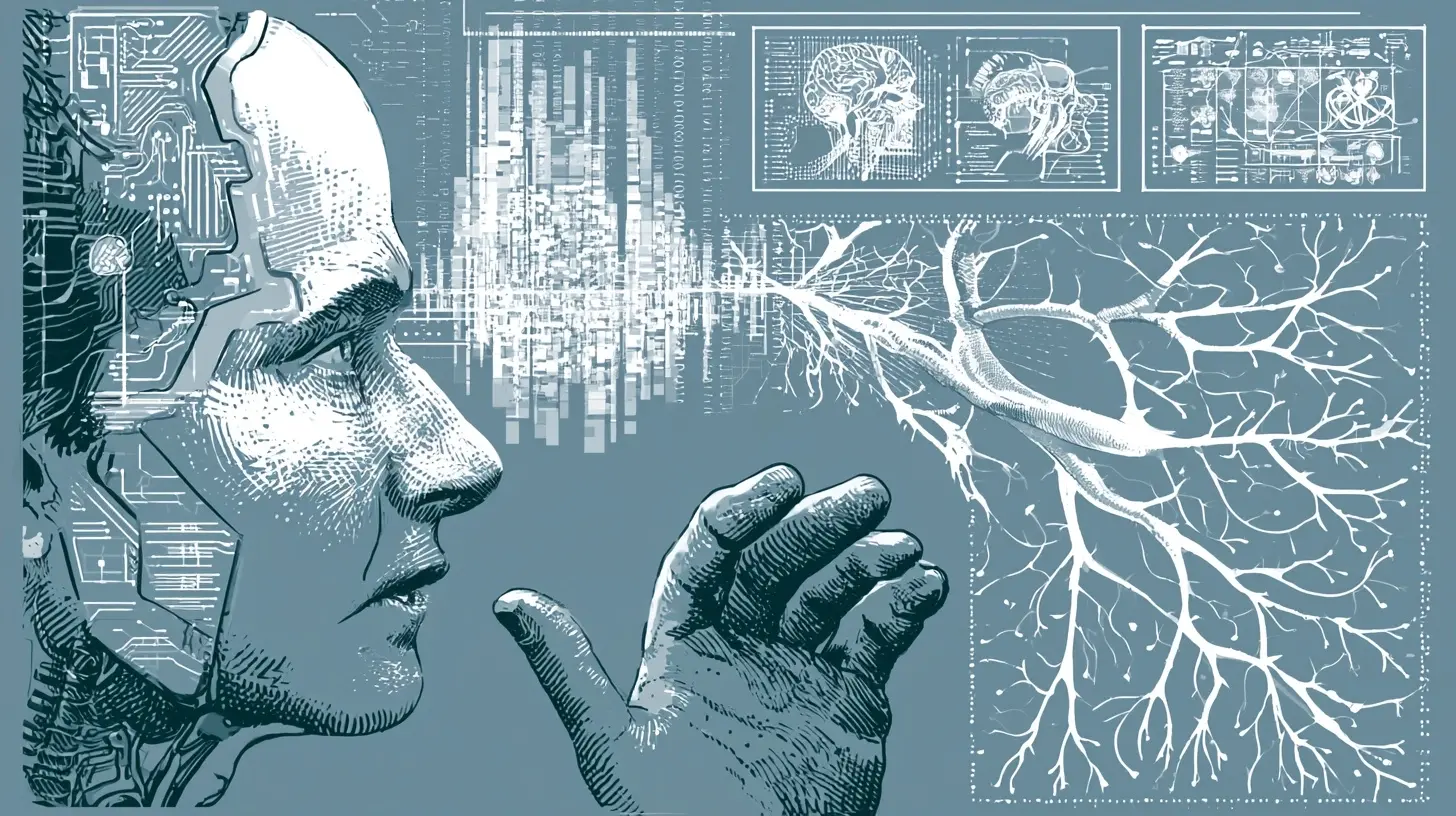
Real-World Applications
Personalized Medicine
AI is revolutionizing personalized medicine by analyzing genetic information to tailor treatments to individual patients. For instance, companies like Tempus are using AI to analyze clinical and molecular data, helping oncologists choose the right therapies for cancer patients based on their unique genetic profiles.Precision Agriculture
In agriculture, AI-driven technologies are optimizing crop yields and reducing resource waste. Companies such as Indigo Ag leverage machine learning to analyze soil health and predict crop performance, enabling farmers to make data-driven decisions. However, policies must support such innovations, ensuring farmers can access and benefit from these advancements.Drug Discovery
The drug discovery process, traditionally a lengthy and costly endeavor, is being transformed by AI. Companies like Atomwise use deep learning to predict how different compounds will interact with biological targets, drastically reducing the time and resources needed for initial screening. Policymakers should consider creating frameworks that facilitate collaboration between AI firms and pharmaceutical companies to expedite this process.Best Practices for Stakeholders
For Policymakers
1. Stay Informed: Continuous education on emerging technologies is crucial. Engage with experts in both biotech and AI to understand their implications fully.2. Encourage Collaboration: Foster partnerships between academia, industry, and government to share knowledge and resources.
3. Develop Agile Regulations: Create adaptive regulatory frameworks that can evolve with technological advancements, allowing for innovation while ensuring safety and efficacy.
For Companies
1. Invest in Compliance: Prioritize data privacy and security measures to build trust with consumers and regulators.2. Focus on Diversity: Ensure diverse datasets in AI training to mitigate bias and improve the fairness of outcomes.
3. Engage with Policymakers: Actively participate in discussions about regulations affecting your industry. Your insights can help shape effective policies.
Common Misconceptions
AI Will Replace Human Expertise
One prevalent myth is that AI will completely replace human roles in biotech. In reality, AI is a tool that enhances human decision-making rather than replacing it. For instance, AI can analyze vast amounts of data faster than any human, but the interpretation and ethical considerations still require human oversight.Biotechnology Is Just Genetic Engineering
While genetic engineering is a significant aspect of biotechnology, the field encompasses much more, including biomanufacturing, bioinformatics, and environmental applications. Understanding this breadth is essential for informed policymaking and investment.Trade-offs and Considerations
Innovation vs. Regulation
One of the most challenging trade-offs is between fostering innovation and ensuring safety. While lenient regulations can accelerate development, they may compromise safety or ethical standards. Conversely, stringent regulations can stifle creativity and slow down the introduction of beneficial technologies.Public Perception vs. Scientific Advancement
Public perception can significantly impact the adoption of biotech and AI solutions. Misinformation and fear can lead to resistance against innovations such as genetically modified organisms (GMOs) or AI in healthcare. Engaging with the public transparently and educating them about the benefits and risks is essential for overcoming these hurdles.
Future Outlook
Evolving Policies
As biotech and AI continue to evolve, so too will the policies governing them. We can expect a move towards more integrated approaches that consider the unique challenges posed by the convergence of these fields. Policymakers will need to work closely with scientists and technologists to address emerging issues proactively.Global Collaboration
The global nature of biotechnology and AI means that international collaboration will be essential. Harmonizing regulations across borders can facilitate innovation and ensure that advancements benefit people worldwide. Organizations like the World Health Organization (WHO) and the World Economic Forum (WEF) are already exploring frameworks for global cooperation.Conclusion
The convergence of biotech and AI presents both challenges and opportunities. As these fields continue to evolve, understanding the interplay of policy, ethics, and technology will be crucial for maximizing their benefits while minimizing risks. Stakeholders must navigate this complex landscape with an informed, balanced approach to ensure that innovations lead to positive outcomes for society as a whole.
all images in this post were generated using AI tools
Category:
Tech PolicyAuthor:

Kira Sanders

