How Autonomous Vehicles Could Transform Ride-Sharing
6 May 2026
Imagine hailing a ride on your smartphone, and instead of a human driver pulling up, a sleek, driverless car glides up to the curb. You hop in, the vehicle confirms your destination, and you're off—no small talk, no tipping drama, just a smooth, efficient ride. Sounds futuristic? Well, the future is closer than you might think. Autonomous vehicles (AVs) are no longer just science fiction. They’ve started creeping into real-world streets, and one of the industries they’re poised to completely shake up is ride-sharing.
In this post, we’re diving deep into how autonomous vehicles could transform the entire ride-sharing landscape in the next decade or so. Buckle up—this ride is going to be wild.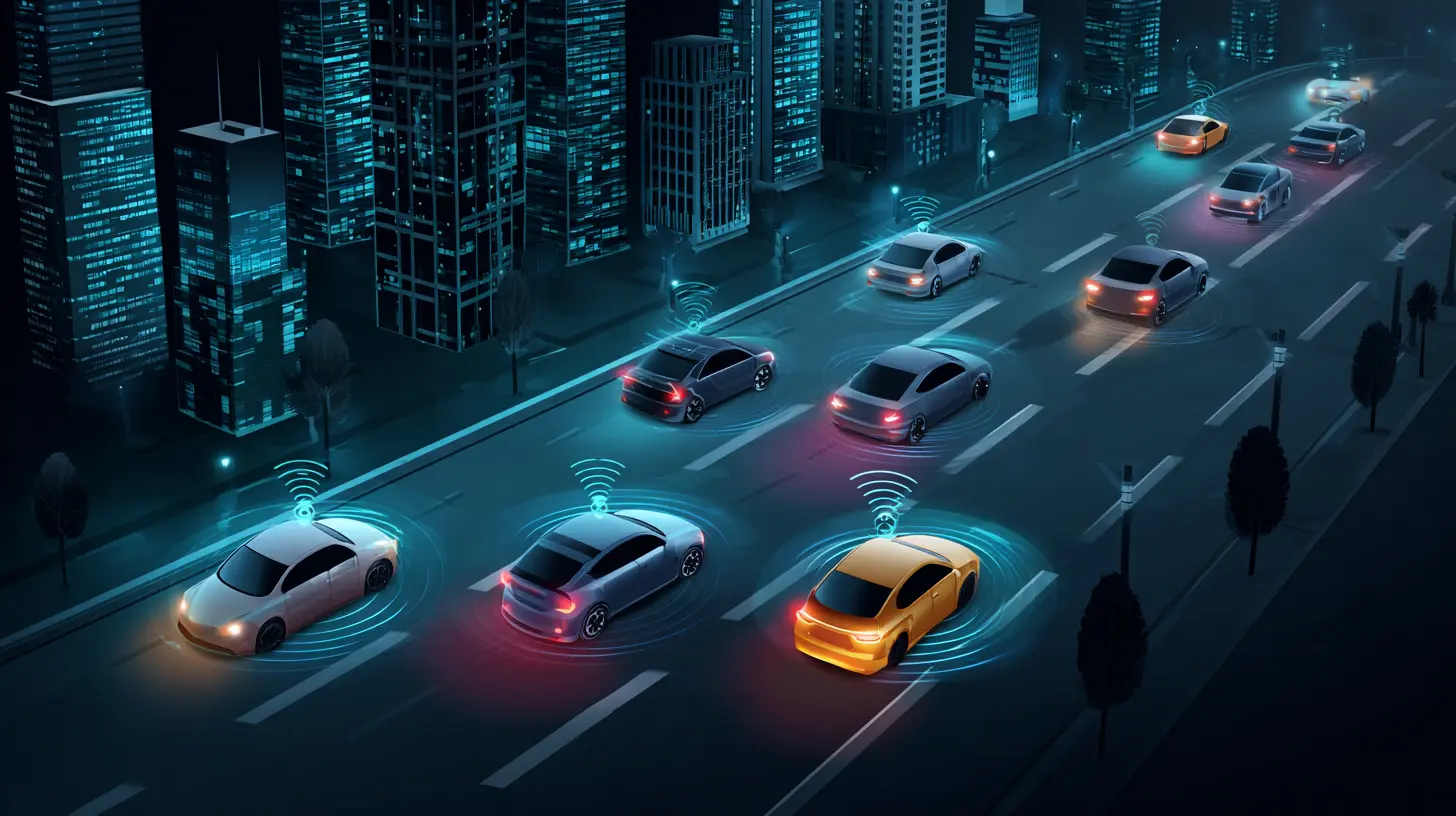
The Rise of Autonomous Vehicles
Before we zoom into ride-sharing specifically, let's get a grip on what autonomous vehicles actually are. Simply put, autonomous vehicles (also called self-driving cars) are vehicles capable of sensing their environment and operating without human input. Thanks to a mix of sensors, AI, machine learning, and real-time data, these cars can navigate roads, avoid obstacles, and even make split-second decisions like seasoned drivers.Companies like Tesla, Waymo (Google’s AV project), Cruise (GM), and even Apple are in hot pursuit of making AVs a normal part of daily life. And they’re not alone—governments, tech startups, and traditional automakers are pouring billions into AV development.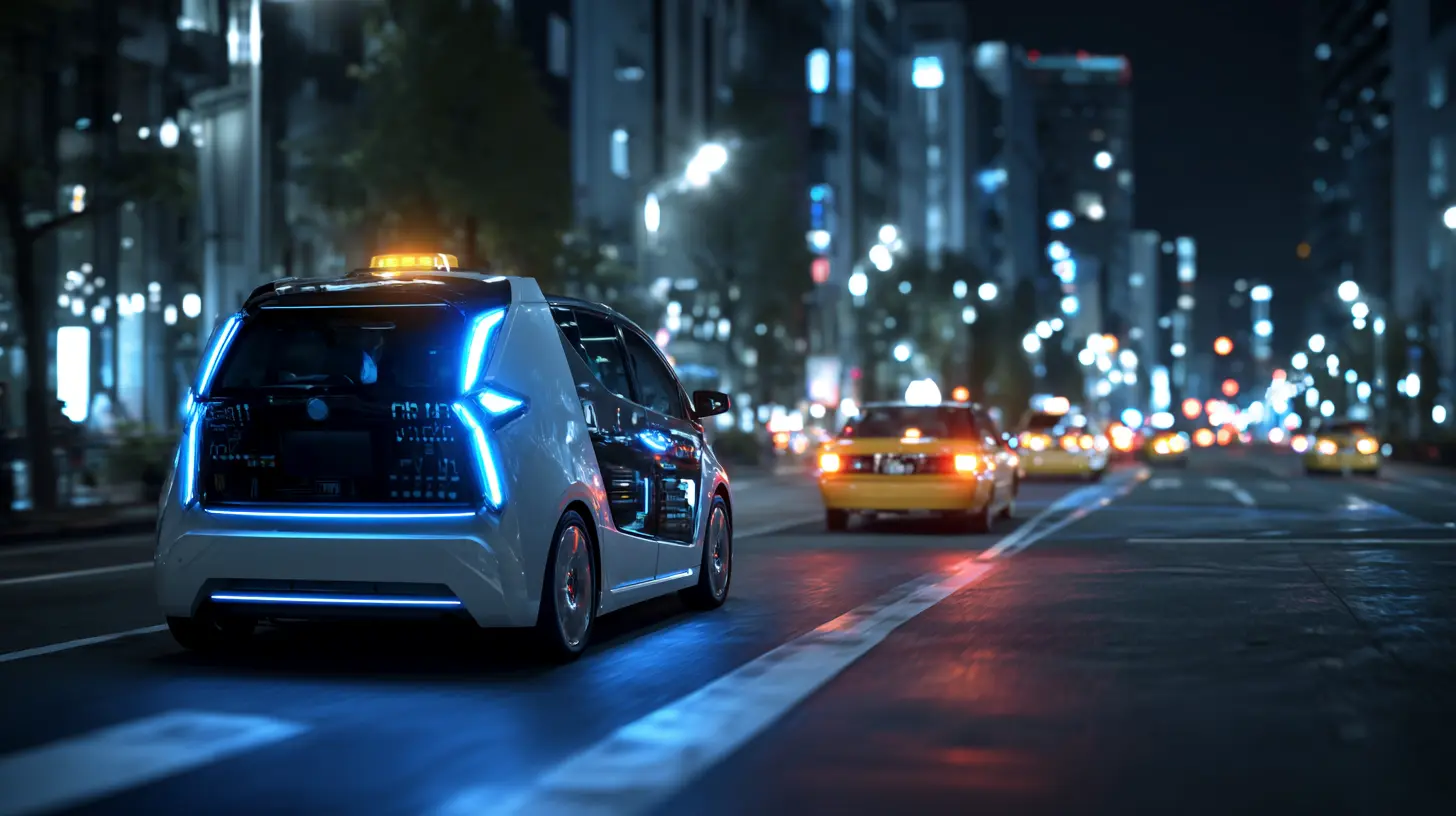
The Current State of Ride-Sharing
Ride-sharing, as you probably know, got its big break with apps like Uber and Lyft. Instead of calling a cab, people could summon rides on-demand through a smartphone app. It was cheaper, faster, and—let’s be honest—a lot more convenient.But despite the convenience, ride-sharing has its share of challenges: surge pricing, driver shortages, inconsistent customer service, safety concerns, and environmental impact, to name a few. Enter autonomous vehicles—the potential game-changer.
How Autonomous Vehicles Could Revolutionize Ride-Sharing
1. ❌ No More Human Drivers
Let’s get the obvious one out of the way first. AVs don’t need drivers. That completely flips the script on how we understand ride-sharing today.Without drivers:
- There’s no tipping involved.
- You eliminate human-related issues like fatigue, distractions, or just plain bad driving.
- You remove the biggest cost factor—driver salaries.
For ride-sharing companies, that’s a win. They’re looking at higher profit margins and more consistent service. For passengers? Lower fares and more reliable rides. It’s like getting first-class service at economy prices.
2. ? More Cars on the Road—But Smarter Ones
You might think more autonomous vehicles mean more traffic. Actually, the opposite could happen. AVs can be deployed based on real-time demand, which smooths out traffic peaks. Think about it—algorithms don’t take lunch breaks or sleep. Vehicles can be active 24/7.Plus, AVs can platoon (drive closely in sync with each other), reduce accidents, and optimize routes better than any GPS today. That means smoother rides and shorter wait times. Like a well-choreographed dance, the roads could become more coordinated.
3. ? Greener and Cleaner Transportation
Autonomous ride-sharing fleets will most likely be electric. That’s two disruptive technologies joining forces—AVs and EVs (electric vehicles). Say goodbye to gas stations and hello to cleaner air.By reducing emissions and noise pollution, AVs could make urban living much more breathable. And when cars are running efficiently and constantly being optimized, they don’t guzzle energy like traditional vehicles do.
4. ? Data-Driven Rides
AVs are data machines on wheels. Every trip they make adds to a growing pool of information: traffic patterns, user behavior, road conditions, the whole nine yards. This data can be used to:- Improve ride quality
- Shorten wait times
- Optimize vehicle maintenance
- Offer personalized ride experiences
It’s like having a car that gets smarter every time it drives you somewhere. Creepy? Maybe a little. Cool? Totally.
5. ? Cheaper and More Accessible
Let’s talk dollars. Without drivers and with better optimization, ride-sharing companies can slash operational costs. That translates into cheaper rides for you and me.But it goes deeper. Think about people who can’t drive—seniors, people with disabilities, or those without a license. AVs open up new levels of mobility and independence for them. It's not just a tech upgrade—it’s a social one.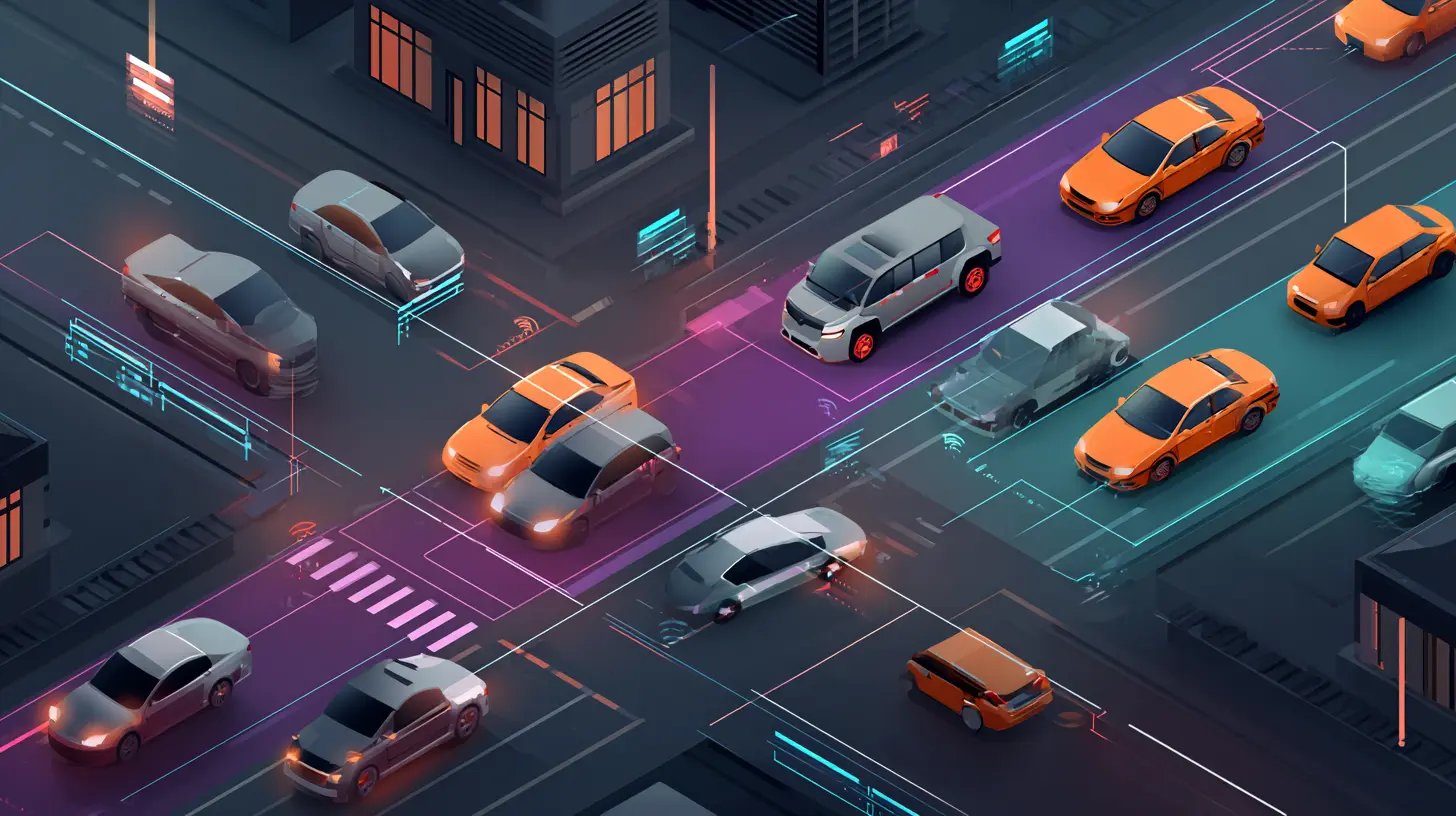
What’s the Catch? Real World Challenges Still Loom
Alright, this all sounds fantastic, right? But hold your horses—it’s not all sunshine and driverless rainbows just yet. Several real-world challenges still need ironing out before AVs fully transform ride-sharing.? Technical Hurdles
AV tech is incredibly complex. We're talking about millions of lines of code, real-time decision-making algorithms, and edge-case scenarios that are hard to replicate in tests. Remember the infamous trolley problem? AVs have to decide what to do in life or death situations—and that’s no easy programming feat.? Legal and Regulatory Roadblocks
As of now, legal frameworks for AVs are still in their infancy. Who’s liable in a crash—a passenger, the company, the car’s manufacturer, or the software developer? Governments are scrambling to create policies that keep up with the speed of AV innovation.?♂️ Public Trust and Acceptance
Let’s face it: a lot of people aren’t quite ready to hop into a car with no driver. Building trust in AV technology will take time. There will be skeptics, and companies will need to prove that AVs are not just tech marvels but also reliably safe.? Impact on Jobs
One of the biggest concerns? Job displacement. Ride-sharing provides income for millions of drivers globally. If AVs take over, what happens to all those people? It’s a tough question and one that society at large will have to grapple with.Potential Business Models for AV Ride-Sharing
Alright, now let’s get into how companies might actually implement AVs in their ride-sharing services. Some of these are already being tested:? Robotaxi Services
This is the most straightforward model: you hail a driverless taxi. Waymo is already doing this in parts of Arizona. No human inside, just you and the robotic chauffeur. Expect more companies to adopt this model as tech improves.? Autonomous Shuttle Pods
Perfect for densely populated areas, small autonomous shuttles can loop through neighborhoods, campuses, or business parks. Think of them like mini ride-sharing buses—efficient and cost-effective.? Vehicle-on-Demand Subscriptions
Instead of owning a car, you subscribe to an AV service. Need a ride? Just ping the app. The nearest available AV comes to you. This model could become the future of urban mobility, essentially replacing car ownership for many.What Cities Could Look Like With AV Ride-Sharing
Close your eyes and picture city streets in the age of AVs. No more honking taxis. Parking lots? Replaced by green spaces or affordable housing. Traffic lights might even become obsolete as AVs communicate with one another and adjust speeds automatically.Urban planning could get a complete makeover:
- Narrower roads
- Fewer parking spaces
- Safer pedestrian zones
- Less pollution
Cities might finally become what they were meant to be—livable, walkable, and breathable.
The Road Ahead: What to Watch For
The transformation won’t happen overnight, but it’s coming. Keep your eyes on:- Tech breakthroughs (AI, LIDAR, sensor fusion)
- Pilot programs (Waymo, Cruise, Tesla’s FSD beta)
- Legislation (federal and local regulations)
- Consumer sentiment
Ride-sharing giants like Uber and Lyft are already investing heavily in AVs. And startups are popping up daily with niche solutions—from logistics to autonomous delivery—and those innovations will spill over into passenger transport.
So, Will AVs Really Transform Ride-Sharing?
In one word—yes. Autonomous vehicles could be to ride-sharing what smartphones were to communication: a complete, irreversible game-changer. They promise lower costs, higher efficiency, better safety, and a more accessible transportation future.Of course, it won’t be a smooth ride. There will be bumps, detours, and maybe even some dead ends. But the destination? It looks revolutionary.
So next time you tap that ride-share app, imagine a future where the ride picks itself up and knows exactly where you’re going. No driver, just tech doing its thing—smooth, silent, and smart. The ride of the future is just around the corner.
all images in this post were generated using AI tools
Category:
Autonomous VehiclesAuthor:

Kira Sanders
Discussion
rate this article
2 comments
Liv Elliott
This article offers a compelling look at how autonomous vehicles could change the ride-sharing landscape. The potential for increased safety and efficiency is exciting, but I'm curious about the regulatory challenges and public acceptance that lie ahead. Great insights!
June 6, 2026 at 3:49 AM
Kira Sanders
Thank you for your thoughtful comment! You're right-regulatory challenges and public trust will play a huge role in this transformation. I'm glad you found the insights valuable.
Uriel Blair
Imagine a world where your ride shares itself. Just don't ask it to pick up your in-laws... those awkward silences could really drive it off the road!
May 7, 2026 at 12:44 PM
Kira Sanders
That's a funny thought! Imagine the conversations an autonomous vehicle would overhear. It definitely adds a new twist to ride sharing.