How Autonomous Vehicles Could Reshape the Automotive Industry
21 December 2025
Autonomous vehicles (AVs) have long been a concept straight out of science fiction. Think about it—cars that drive themselves while we sit back, relax, and maybe even catch up on Netflix. But here’s the thing: it’s not science fiction anymore. It’s real, and it’s happening right now. Companies like Tesla, Waymo, and Uber are making leaps and bounds in autonomous vehicle technology, and many experts believe that AVs could be the next big thing to reshape the automotive industry.
What does that mean for the car industry? And, more importantly, what does it mean for you, the everyday driver? Let’s dive in and explore how autonomous vehicles could revolutionize the way we think about transportation, manufacturing, and even urban planning.
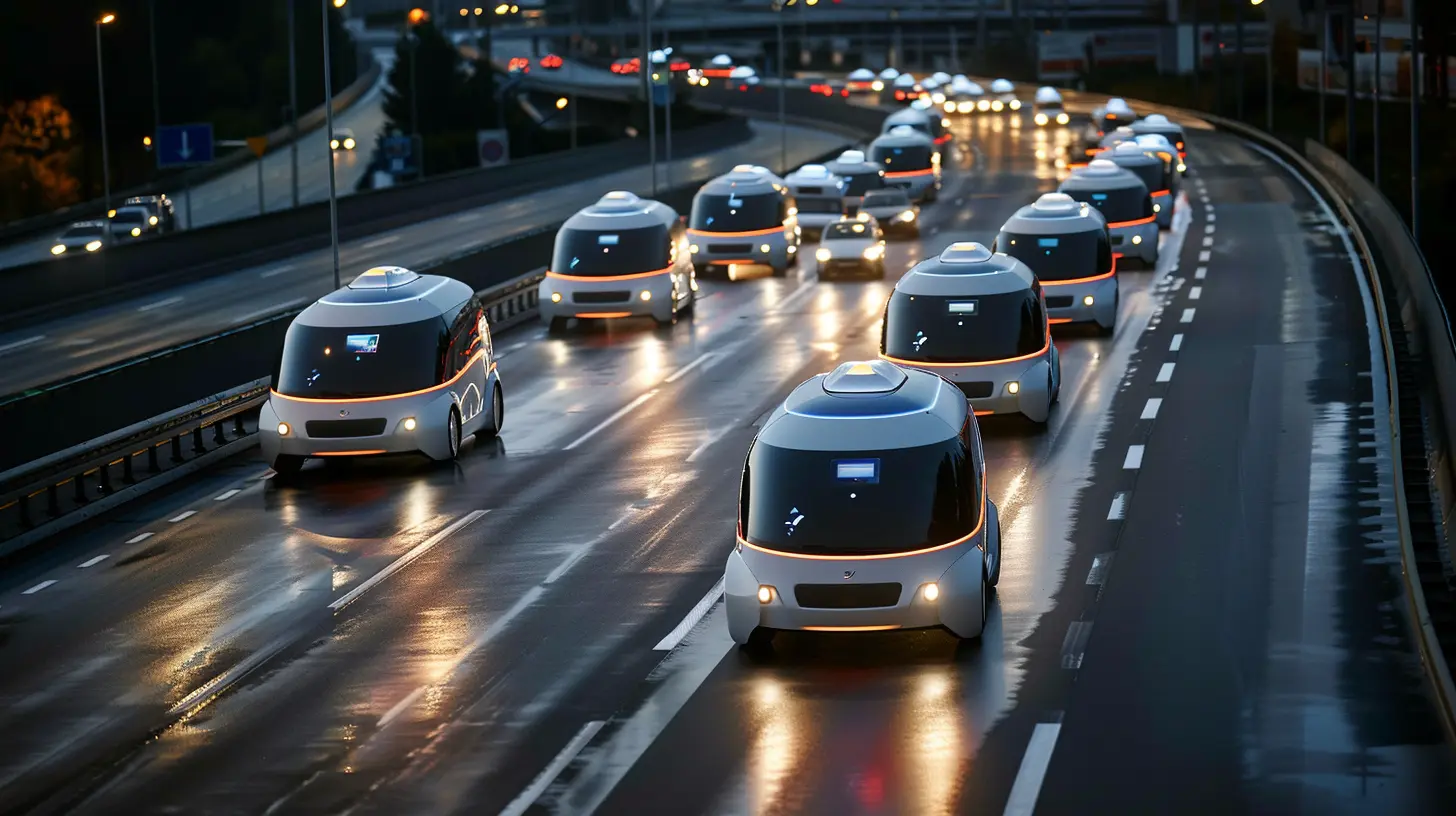
What Are Autonomous Vehicles?
Before we dive into the nitty-gritty, let’s first define what we’re talking about. Autonomous vehicles, also known as self-driving cars, are vehicles that can operate without human intervention. They use a mix of sensors, cameras, radar, and artificial intelligence (AI) to navigate roads, avoid obstacles, and follow traffic laws—all without needing someone behind the wheel.There are different levels of vehicle autonomy, ranging from Level 0 (no automation) to Level 5 (full automation). While many cars today, like those equipped with adaptive cruise control or lane-keeping assistance, fall somewhere between Level 1 and Level 3, the holy grail of autonomous driving is a Level 5 vehicle. At this stage, the car would be entirely self-sufficient, meaning you could take a nap or even read a book without worrying about the road.
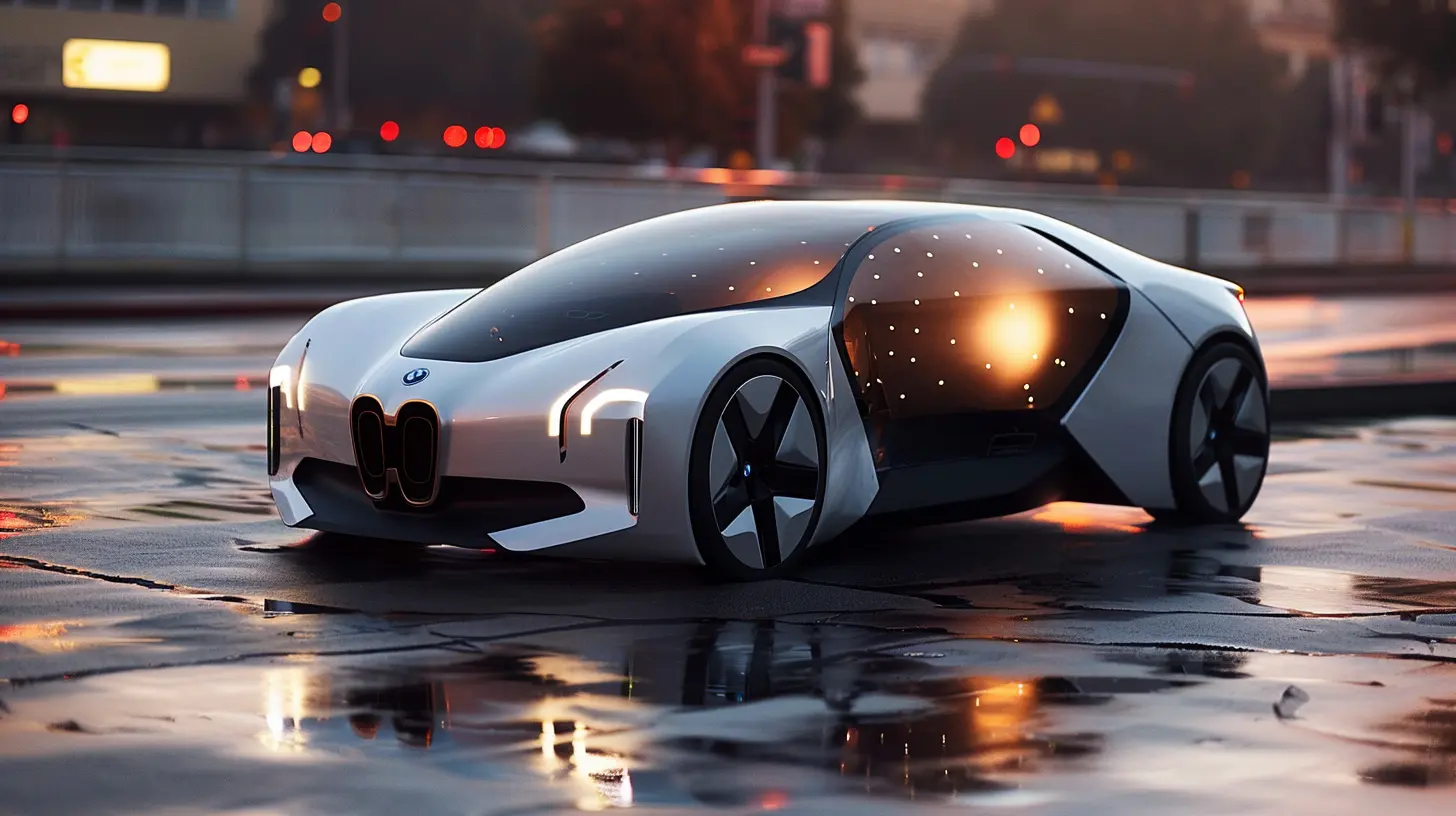
The Key Technologies Powering Autonomous Vehicles
For AVs to work, they need to integrate some pretty impressive technology. It’s not just about slapping a couple of cameras on a car and calling it a day. Autonomous vehicles rely on advanced systems to ensure safety and efficiency.1. Artificial Intelligence (AI)
AI is the brain behind the operation. It’s responsible for processing the vast amount of data collected by the vehicle’s sensors. AI helps the car make split-second decisions, such as whether to stop for a pedestrian or change lanes. The better and quicker the AI, the safer the vehicle.2. LIDAR (Light Detection and Ranging)
LIDAR is a crucial component that uses laser pulses to measure distances between the car and surrounding objects. It creates a 3D map of the environment, enabling the vehicle to "see" its surroundings, even in low-light or foggy conditions.3. Cameras and Radar
Cameras and radar systems are the eyes of the vehicle. Cameras capture images, identifying things like traffic lights, road signs, and lane markings. Radar, on the other hand, helps detect the speed and direction of other vehicles around the car.4. GPS and Mapping Systems
Autonomous vehicles need to know where they are at all times. That’s where GPS and mapping systems come in. High-definition maps allow the vehicle to maneuver through cities, recognize road layouts, and plan the best routes.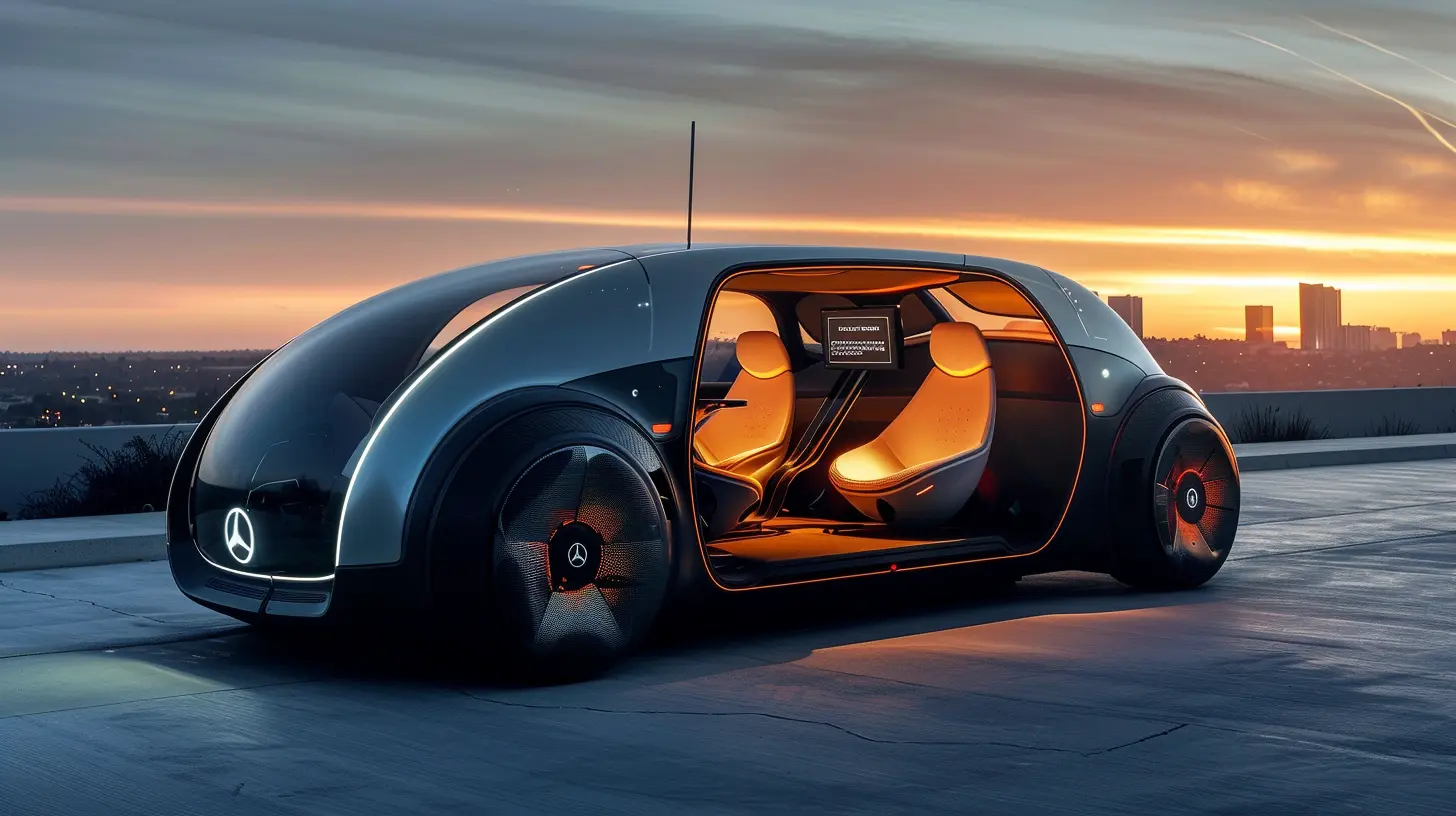
The Potential Benefits of Autonomous Vehicles
It’s not just about the cool factor—autonomous vehicles could bring about some serious benefits, not just for individuals, but for society as a whole. Here’s a look at some of the ways AVs could reshape the automotive world.1. Safer Roads
Did you know that human error is responsible for 94% of car accidents? That’s right. Whether it’s due to texting and driving, fatigue, or poor decision-making, we humans are pretty terrible drivers sometimes. Autonomous vehicles, on the other hand, don’t get tired, distracted, or emotional. They follow the rules of the road, and with advanced AI systems, they can react faster than any human driver. As a result, we could see a dramatic reduction in traffic accidents and fatalities.2. Reduced Traffic Congestion
Ever been stuck in a seemingly endless line of traffic? It’s the worst. AVs could help alleviate traffic congestion by using vehicle-to-vehicle (V2V) communication. This technology allows autonomous cars to “talk” to each other, coordinating their movements to keep traffic flowing smoothly. Imagine a world where traffic jams are a thing of the past—sounds like a dream, right?3. Increased Fuel Efficiency
Autonomous vehicles are not only smart but also efficient. They can optimize routes, reduce unnecessary acceleration and braking, and maintain consistent speeds, all of which contribute to better fuel economy. Some AVs are even electric, which could help reduce our reliance on fossil fuels and lower carbon emissions.4. Improved Mobility for Everyone
Think about groups of people who have limited access to transportation: the elderly, people with disabilities, or those who can’t afford to own a car. Autonomous vehicles could provide affordable, accessible transportation for everyone. Picture a world where you don’t need to worry about driving your aging parents to appointments or where someone with a physical disability can independently travel wherever they want.5. More Free Time
Let’s be honest: driving can be a hassle. Whether it’s a daily commute or a long road trip, driving requires attention and energy. With AVs, you could reclaim that time. Maybe you’ll use it to catch up on emails, read a book, or just relax. The bottom line? Autonomous vehicles could give you your time back.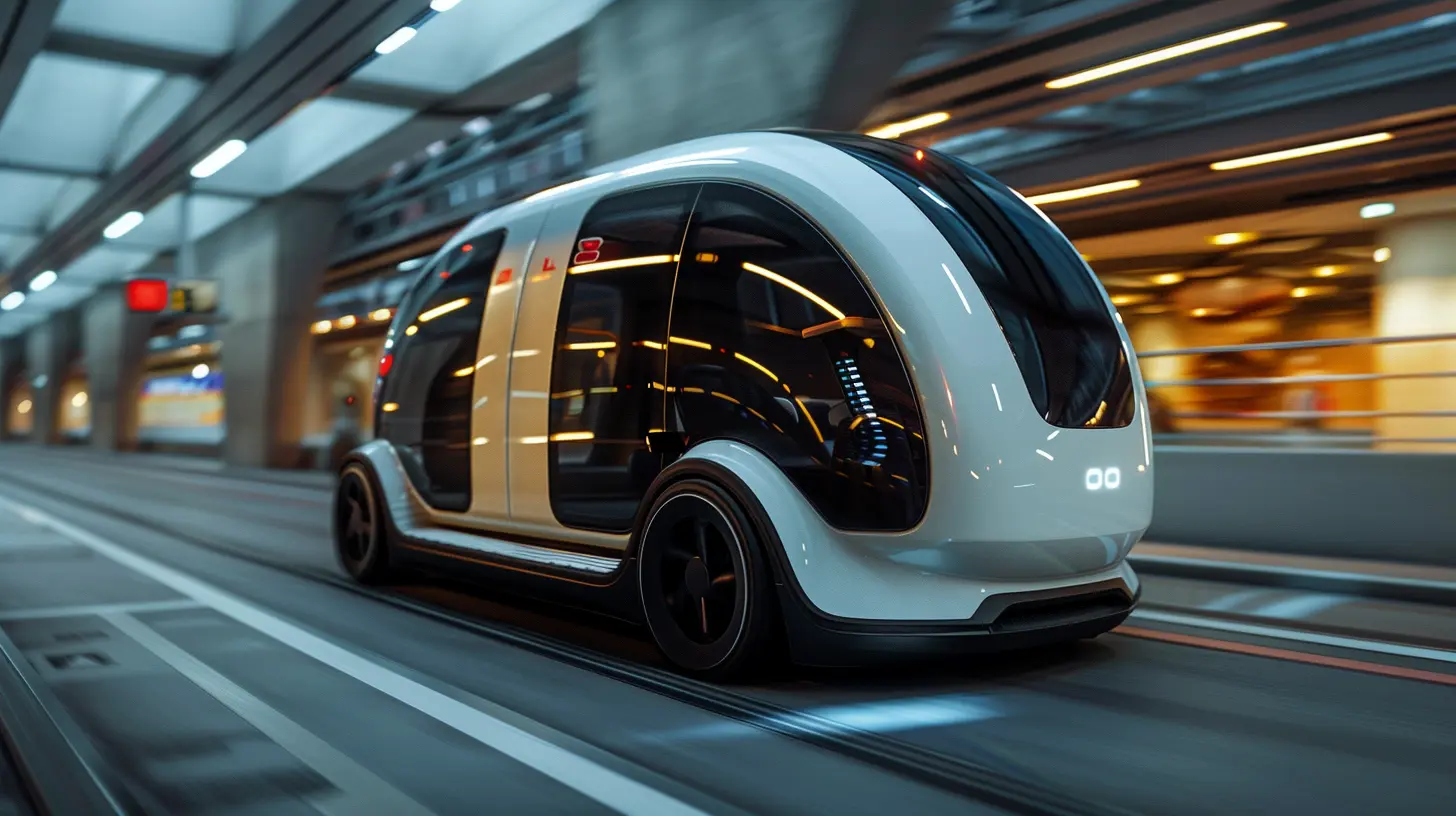
How AVs Could Disrupt the Automotive Industry
The benefits of AVs are clear, but what does this mean for the automotive industry as a whole? Spoiler alert: it’s going to shake things up. Here’s how.1. Shift in Car Ownership Models
Right now, most people own their vehicles. However, the rise of AVs could change that. Why own a car when you can summon a self-driving vehicle on-demand? This shift could lead to a more shared economy, where people rely on autonomous car fleets instead of personal ownership. Companies like Uber and Lyft are already experimenting with autonomous ridesharing services, and it’s only a matter of time before this becomes mainstream.2. Impact on Traditional Car Manufacturers
Car manufacturers are already feeling the pressure to adapt. Companies like Ford, General Motors, and Toyota are investing billions into autonomous vehicle research and development. The rise of AVs could lead to a significant shift in the way cars are designed and manufactured. We could see a future where car interiors are more like living rooms, with less focus on the driver’s seat and more on comfort and entertainment.3. New Opportunities for Tech Companies
The rise of AVs isn’t just a win for car manufacturers; it’s also a huge opportunity for tech companies. AI, machine learning, and sensor technologies are key components of autonomous vehicles, and companies like Google (through its subsidiary Waymo) and Apple are leading the charge. This convergence of tech and automotive industries could create new business models and partnerships, reshaping both sectors.4. Impact on Jobs
Let’s not sugarcoat it: AVs could disrupt jobs, particularly in industries like trucking, delivery services, and taxi driving. However, it’s also worth noting that AVs could create new jobs in tech, manufacturing, and infrastructure development. The key will be finding ways to retrain workers and prepare the workforce for these changes.5. Changes in Urban Planning
Autonomous vehicles could even reshape the way we design cities. With fewer cars on the road and more efficient traffic patterns, we might need less space for parking lots and highways. Urban planners could use this freed-up space to create more green areas, pedestrian zones, or affordable housing.The Challenges Ahead
Of course, the road to AV adoption isn’t without its challenges. For one, regulatory hurdles remain a significant barrier. Governments around the world are still figuring out how to regulate autonomous vehicles to ensure safety and accountability. There are also concerns about cybersecurity—after all, no one wants to be in a car that could potentially be hacked.Then there’s the question of consumer trust. Will people feel comfortable handing over control to a machine? Trust is a huge factor, and it will take time for people to fully embrace AVs.
The Future of Autonomous Vehicles
So, what does the future hold? It’s hard to say for sure, but one thing is certain: autonomous vehicles have the potential to reshape the automotive industry in ways we can’t even fully imagine yet. Whether it’s through increased safety, reduced congestion, or new business models, AVs are poised to make a significant impact.We’re still in the early stages of this revolution, but the wheels are already in motion. And as technology continues to advance, the dream of a fully autonomous, connected, and efficient transportation system is becoming more and more of a reality.
Conclusion
Autonomous vehicles are not just a futuristic pipe dream anymore—they’re real, and they’re coming fast. From safer roads to more efficient transportation systems, the potential benefits are enormous. But like any major technological revolution, there will be challenges to overcome. As consumers, businesses, and governments adapt to this new landscape, one thing is clear: autonomous vehicles are here to stay, and they will undoubtedly reshape the automotive industry as we know it.all images in this post were generated using AI tools
Category:
Autonomous VehiclesAuthor:

Kira Sanders
Discussion
rate this article
2 comments
Marlowe McTiernan
What an insightful read! The potential of autonomous vehicles is truly fascinating, and it’s exciting to consider how they could revolutionize the automotive industry. Your analysis highlights key innovations and challenges ahead, making it an engaging piece for tech enthusiasts. Looking forward to seeing how this technology develops!
December 21, 2025 at 1:57 PM
Kira Sanders
Thank you for your thoughtful comment! I'm glad you found the piece engaging and insightful. The future of autonomous vehicles is indeed exciting!
Luella Lane
Exciting times ahead! Autonomous vehicles are set to revolutionize the automotive world, making our commutes safer and more efficient. Buckle up for a thrilling ride into the future! 🚗✨
December 21, 2025 at 4:23 AM
Kira Sanders
Absolutely! The future of autonomous vehicles promises to enhance safety and efficiency, transforming our transportation landscape in incredible ways. Exciting times indeed!