Fitness Trackers for Yoga: Do You Really Need One?
5 May 2026
Let’s be honest—when you think of yoga, what comes to mind? Maybe it’s flexibility, zen vibes, incense, or that one friend who swears by their morning sun salutation. But tech? Probably not high on the list. So now that fitness trackers are everywhere, from the gym to your grandmother’s wrist, it makes sense to ask: do you really need a fitness tracker for yoga?
It’s a fair question. After all, yoga isn’t all about sweaty workouts or counting steps. It’s about mindfulness, breathwork, flow, and tuning in with your body—right? But there’s more to the story. Stick with me as we dig into whether these wearable devices actually help with your yoga practice, or if they’re just fancy wrist bling.
What’s a Fitness Tracker Anyway?
Okay, let’s set the stage. A fitness tracker is basically a souped-up wristwatch that keeps an eye on your physical activity. Think heart rate, calories burned, sleep patterns, steps taken—you name it. Some even track stress levels, oxygen saturation, and your breathing.Big brands like Fitbit, Garmin, Whoop, and Apple Watch lead the pack, and each device comes with its own set of features aimed at helping you live your "best life." But when it comes to yoga, not all trackers are up to the task.
Yoga’s A Different Beast
Unlike running or lifting weights, yoga isn’t about how much ground you cover or how many reps you get in. It’s subtle. It’s slow. It’s intentional. You hold poses, breathe deeply, and (hopefully) stay present.So while a tracker might make total sense for a marathon runner watching their split times, does it really make sense for someone holding a Tree Pose for 60 seconds?
Here’s the rub: fitness trackers are optimized for movement and heart rate changes. But yoga, especially restorative or gentle yoga, might not spike your heart rate much at all.
Yet, that doesn’t mean a tracker is useless. In fact, it might help in ways you haven’t considered.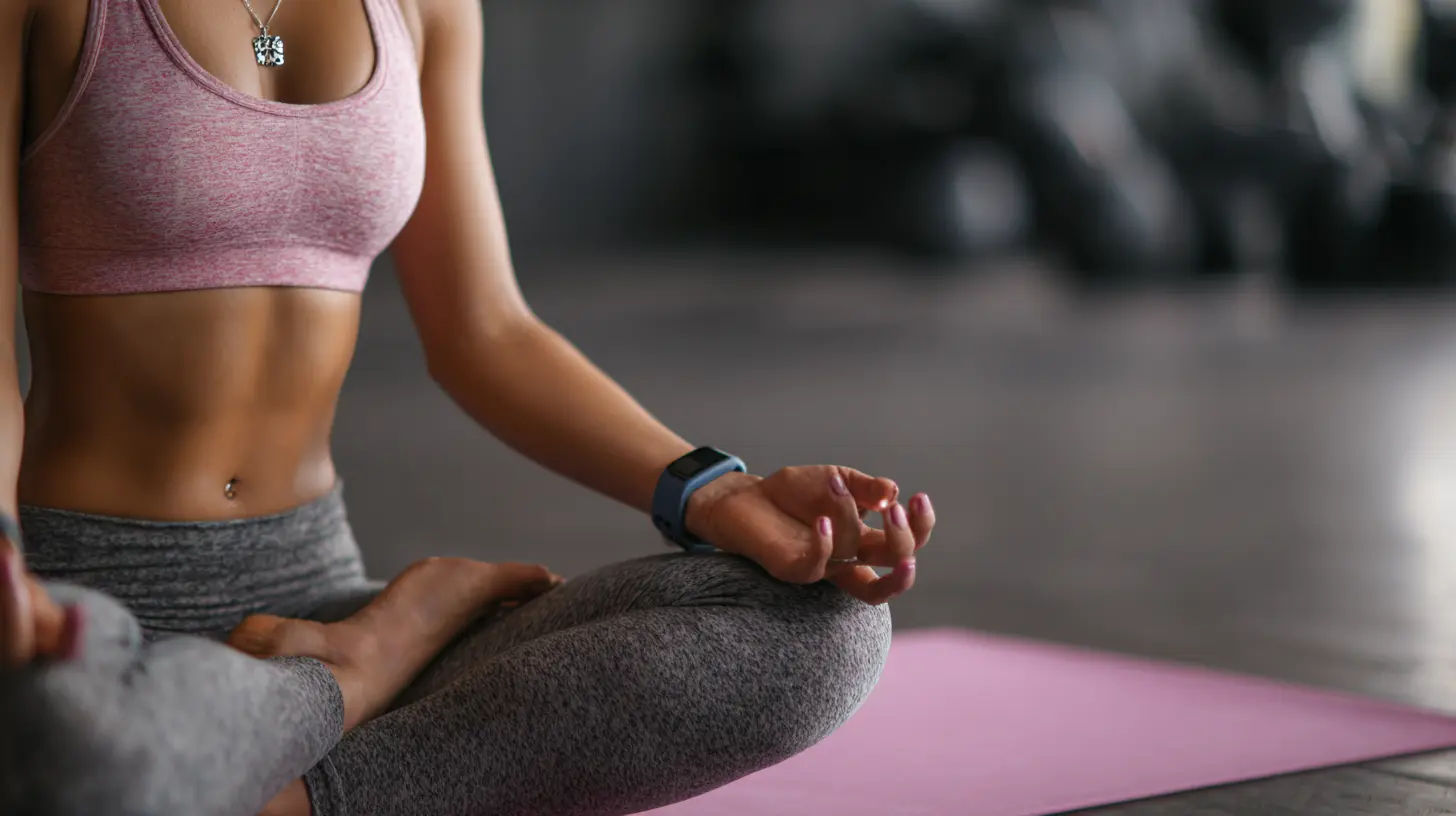
How Can a Fitness Tracker Actually Help Your Yoga Practice?
Let’s dive into the benefits. Sure, not every yogi needs one, but if used right, a tracker can actually amplify your practice.1. Heart Rate Monitoring: Stay in the Zone
Even though yoga isn’t high-intensity, it still affects your cardiovascular system. Active styles like Vinyasa or Power Yoga can increase your heart rate significantly. A tracker can help you understand:- How your body responds to different styles
- When you’re pushing too hard (yes, that happens in yoga too!)
- When you're in a calm, parasympathetic “rest-and-digest” state
Knowing your heart rate zones can add a whole new layer of mindfulness to your practice.
2. Stress and Breathing Tracking: Inner Peace Check
Many trackers now come with stress detection and respiration rate features. Some even guide you through breathing exercises.So even if you're not moving much in a Yin Yoga session, your tracker can show you how your breath is slowing, your body’s de-stressing, and your nervous system is chilling out. That data can be super satisfying—and motivating.
3. Sleep Monitoring: The Yoga-Sleep Connection
Let’s not ignore this: quality sleep is a huge part of wellness. A tracker that monitors your sleep patterns can help you see how your practice is affecting your rest.Are you sleeping better on the days you practice? Are evening yoga sessions helping you wind down? Most people don’t connect the dots—until the data shows it.
4. Activity Logging: Keep the Habit Alive
Most fitness trackers let you log or automatically detect workouts. Keeping track of your yoga sessions can help in a few ways:- Keeps you accountable
- Shows your consistency over time
- Encourages you to build a routine
There’s something strangely motivating about seeing a weekly streak. It’s like your tracker becomes your workout buddy.
5. Mindfulness Reminders: Tiny Nudges Toward Wellness
Some trackers send mindfulness or stand reminders. Sounds silly? Maybe. But sometimes, that gentle vibration on your wrist reminding you to breathe or stretch can be the nudge you need during a hectic day.
What Can’t a Tracker Do?
As great as they are, fitness trackers aren’t miracle workers. Here’s where they fall short in the yoga space:❌ They Can’t Measure Your Alignment
A tracker won’t tell you if your Warrior II is aligned or if your Downward Dog is a disaster. It can’t correct your form or replace the value of an experienced yoga teacher.❌ They Might Distract You
Let’s be real. Yoga is about being present. Glancing at your wrist every few minutes? Not very zen. If your tracker buzzes with notifications or you’re constantly checking your stats mid-flow, it can take you out of the moment.❌ They Depend on the Right App
Not all trackers are created equal when it comes to yoga. Some are better suited to cardio or strength training. Others, like Apple Watch or Fitbit, offer yoga-specific tracking—though they may still lump it in with general workouts.The Best Fitness Trackers for Yogis
If you’re leaning toward giving one a shot, you should know which devices actually cater to yoga lovers. Here are a few that stand out:?♀️ Apple Watch Series
- Has a dedicated yoga workout mode- Tracks heart rate, calories, mindfulness minutes
- Integrates with Apple Fitness+ (which includes yoga videos)
- Built-in breathing app is great for calming down
? Fitbit Charge Series
- Offers stress management scores- Tracks heart rate and breathing during yoga
- Breathing sessions built into the watch
- Lightweight and affordable
?♂️ Garmin Vivosmart / Venu Series
- Includes yoga-specific activity tracking- Monitors stress and respiration
- Comes with animated yoga workouts on-screen
- Great for people who like detailed data
? WHOOP Strap
- Great for recovery tracking- No screen, but offers deep insights via app
- Focuses on strain, recovery, and sleep—ideal for intentional yogis
- Monthly membership required
So... Do You Really Need One?
Short answer? No, you don’t need a fitness tracker to practice yoga. Your body, your breath, and your awareness are the OG tools for a great session.Long answer? Maybe! If you’re someone who loves data, enjoys tracking progress, or needs a little extra motivation, a fitness tracker can add value to your practice. It can help you:
- Be more consistent
- Understand how your body responds to yoga
- Integrate breath and mindfulness into your day
- Discover patterns that impact stress and sleep
If that sounds like your jam, then hey, why not give it a go?
But if the idea stresses you out or feels like tech overload, skip it. Yoga is about less, not more. You won’t find enlightenment by counting calories or tracking your heart rate (at least, not most of us).
Tips If You Decide to Use a Tracker for Yoga
Ready to test the waters? Here are a few simple tips to make the most of it:- Set It and Forget It: Start your yoga session on the tracker, then leave it alone. Don’t keep checking it.
- Review After Class: Look at the data post-practice. That’s when it’s useful.
- Use Breathing Sessions: Most trackers have a built-in breathwork feature—use it before bed, during breaks, or even pre-yoga.
- Listen to Your Body First: Data is great, but intuition is better. Don’t obsess over the numbers.
- Customize Alerts: Disable non-essential notifications during your workout. Silent mode is your best friend.
Final Thoughts
In the end, yoga is about balance—between effort and ease, movement and stillness, awareness and surrender. A fitness tracker can be a helpful companion on your yoga journey, but it should never replace the core experience: being present.If it helps you deepen your practice, great. If it feels like a distraction, leave it on the charger and get on your mat.
Because the best tracker of all? It’s your own inner awareness.
Namaste
all images in this post were generated using AI tools
Category:
Fitness TrackersAuthor:

Kira Sanders
Discussion
rate this article
2 comments
Flora Benson
Great article! Fitness trackers can be a helpful tool for yoga enthusiasts, but they aren't essential. It's all about personal preference. The most important aspect of yoga is connecting with your body and mind. If a tracker enhances that experience for you, then go for it, but trust your instincts first.
May 30, 2026 at 12:11 PM
Kira Sanders
Thanks for your thoughts! I completely agree that personal connection is key in yoga. Fitness trackers can be a nice addition, but listening to your body is what truly matters.
Marigold McGovern
Great insights, thanks for sharing!
May 5, 2026 at 12:51 PM
Kira Sanders
Thanks for reading! I'm glad you found it insightful.