Exploring the Sustainability of Modern Smartphones
16 February 2026
Have you ever paused for a moment, smartphone in hand, and thought about where it came from—or where it will go when you're done with it? Yeah, me neither… until recently. Our sleek, shiny devices fit snugly in our pockets, serve as windows to the world, and somehow hold our entire lives inside. But beneath their glass screens and aluminum frames, smartphones have a complex story. A story full of rare earths, sweat, innovation, and—unfortunately—waste.
In this piece, we’re diving deep into the sustainability of modern smartphones. We’ll peel back the layers (kind of like opening up an old device that’s no longer under warranty) and see what makes these gadgets both modern marvels and environmental puzzles.

The Double-Edged Sword of Innovation
Remember when phones just made calls? Simpler times, right? Now, these devices are practically supercomputers—camera, GPS, calculator, game console, and digital assistant all in one. But with every upgrade and new release, there’s a trade-off.Tech companies thrive on innovation. New processors, better screens, slimmer designs… Yes, they’re dazzling. But that rapid development cycle encourages frequent upgrades. And with every newer, shinier model hitting shelves, the older ones often get tossed aside—sometimes long before their prime.
This constant turnover feeds what’s called the “linear economy.” It’s the take-make-dispose model: raw materials are harvested, products are manufactured, and when we’re done using them, they’re discarded. Sound familiar?
A Closer Look at What’s Inside
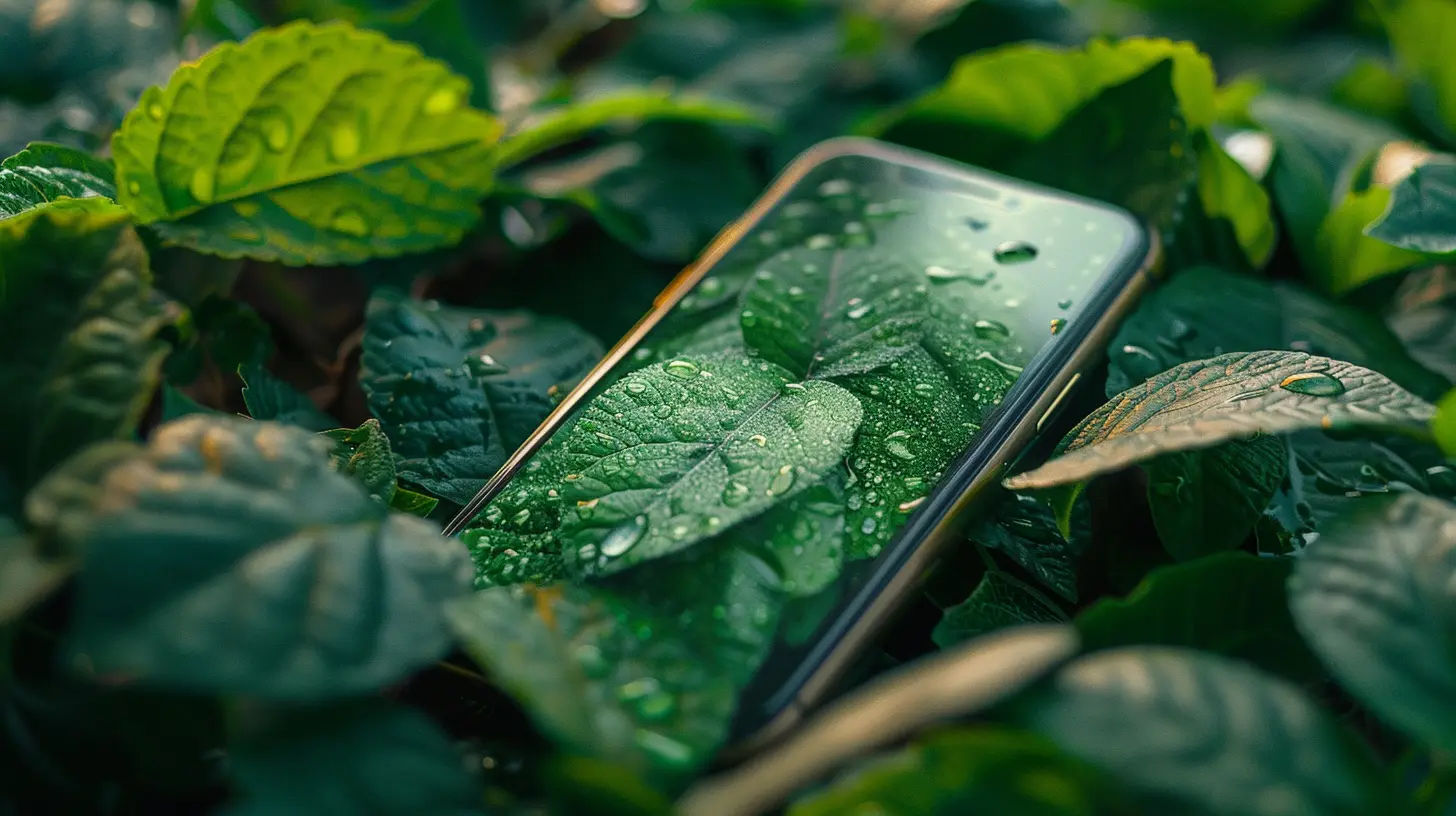
Pop quiz: How many elements from the periodic table are inside your smartphone?Answer: Over 70.
Crazy, right? Your smartphone includes precious metals like gold and silver, rare earth elements like neodymium and dysprosium, plus more common ones like copper and aluminum. These materials don’t grow on trees, folks.
Mining for rare earths and metals is a messy business. It often means tearing up landscapes, contaminating water sources, and creating mountains of waste. Not to mention, many of these mining operations are in developing countries with lax regulations and harsh labor conditions. So while your phone may be “smart,” its birth may not be as clean or ethical as you’d hope.
Lithium’s Dirty Secret
Let’s talk batteries. Lithium-ion batteries are the powerhouse behind every smartphone. But lithium mining is thirsty work—it requires millions of liters of water. In places like the Lithium Triangle (Argentina, Bolivia, and Chile), water-intensive extraction has led to severe droughts and damaged local ecosystems.And what happens to that battery when your phone reaches the end of its life? More often than not, it's left to deteriorate in a landfill or, worse, gets incinerated—releasing toxic pollutants into the air.
The E-Waste Avalanche
Globally, we generate more than 50 million metric tons of e-waste every year. Spoiler: only about 17% of it gets properly recycled.Let that sink in for a second.
Now, while not all of that’s from smartphones, they make up a big chunk of it. And it's not just a waste of materials—it’s a colossal waste of energy and opportunity. Smartphones contain valuable components that could be reused or repurposed. But when we toss them irresponsibly, those resources are lost for good.
Why Isn't Recycling Enough?
You might think, “No worries, I’ll just recycle my old iPhone.” That’s a good start… but it's not the whole story.Recycling smartphones isn’t straightforward. Different models and brands use different tech, coatings, adhesives, and materials. Dismantling them requires delicate work, and the return on materials is often low. So while recycling helps, relying on it alone won’t solve the sustainability issue.
We need to change the whole system—from design to disposal.

The Premature Death of Good Phones
Let’s be honest: most phones don’t die, they’re abandoned.Software support ends. Batteries degrade. Screens crack. And so, we upgrade. But many of these devices could continue working just fine with a little TLC or a fresh battery. Planned obsolescence isn’t a conspiracy theory, it’s a business model. And it’s one that slowly eats away at sustainability.
The Case for Repairability
Have you ever tried replacing your phone’s battery yourself? It’s like performing surgery with a butter knife. And that’s no accident.Manufacturers don’t exactly make it easy. In fact, many actively discourage repairs—gluing components together, sealing devices shut, or using proprietary screws. That’s why the Right to Repair movement has been gaining momentum around the world. It’s about giving consumers—and independent technicians—the power to fix things.
Because let’s face it: if a phone can be repaired, it doesn’t need to be replaced.
Sustainable Alternatives Are Emerging
Now, it’s not all doom and gloom. Some companies are waking up and smelling the e-waste.Meet the Eco-Conscious Players
Brands like Fairphone and Teracube are challenging the status quo. Their phones are designed to be modular, repairable, and ethically sourced. Sure, they may not win the spec war against the latest flagship giants, but they win big on sustainability points.Major brands are also inching toward greener practices. Apple, for instance, now uses recycled aluminum in many of its devices and claims to be carbon-neutral for its corporate operations. Samsung and Google are also making moves—promising more recycled materials and longer software support.
But promises aren’t progress. True sustainability needs to be baked into the DNA of design—from cradle to grave.
Modular Design: A Fix for the Future?
Remember LEGO? Imagine if your phone was built the same way—snap in a new battery, click on a new camera, swap out storage. That’s the dream of modular design. And it’s a powerful one.Modularity means devices last longer, need fewer resources, and ultimately generate less waste. While we’re not quite there yet in the mainstream market, startups and sustainability-forward brands are experimenting with this very idea.
What Can You Do?
Okay, we’ve talked about the problem. Now let’s talk solution. What can you, as an average user, actually do? Turns out—a fair bit.1. Hold Off on That Upgrade
Tempting as it is to snag the latest release, ask yourself: Do I really need it? If your current phone still works, maybe wait a little longer. Fewer upgrades = less waste.2. Repair, Don’t Replace
A cracked screen or battery drain doesn’t mean your phone’s dead. Look into local repair shops or even DIY fixes (YouTube is your friend). It’s cheaper, and it saves the planet a little grief.3. Buy Refurbished
Secondhand phones aren't just for budget-conscious buyers. They’re a sustainable choice that gives perfectly good tech a second life. Plus, with certified refurbishers, you still get warranties and support.4. Recycle Responsibly
When the time eventually comes to move on, don’t toss your phone in the trash. Look for certified e-waste recyclers or return the device to the manufacturer if they offer take-back programs.5. Support Sustainable Brands
Put your money where your values are. Brands that prioritize sustainability deserve our support. Even if they’re not perfect, they’re moving the dial in the right direction.The Road Ahead: Hope on the Horizon
Let’s zoom out for a second. Yes, the sustainability of modern smartphones has a long road ahead. But progress is happening.Regulations like the EU’s push for universal chargers and the Right to Repair laws are starting to reshape the landscape. Consumers are growing more conscious. And manufacturers—nudged by both public pressure and planet realities—are slowly adapting.
The future of smartphones can be bright AND green. But only if we, the users, demand it. After all, we hold the power—quite literally—in our hands.
So next time you unlock your device, think about its journey: from the depths of the earth to your fingertips. And before you toss it aside for a new one, ask: “Can it still serve me? Can I give it a second life?”
Because sustainability isn't just about saving the world—it’s about changing the way we see everyday things. Even our smartphones.
all images in this post were generated using AI tools
Category:
Mobile DevicesAuthor:

Kira Sanders
Discussion
rate this article
2 comments
Amber Wells
Thank you for shedding light on the sustainability challenges of modern smartphones. It's crucial for consumers to understand the impact of their choices. Your insights inspire a collective responsibility towards a greener future, encouraging both innovation and mindful consumption in the tech industry.
February 22, 2026 at 5:03 AM
Kira Sanders
Thank you for your thoughtful comment! I appreciate your recognition of the importance of mindful consumption in driving sustainable innovation in the tech industry. Together, we can make a difference!
Remi Carr
This article highlights crucial insights into smartphone sustainability, emphasizing the importance of eco-friendly materials, responsible manufacturing, and circular economy practices in reducing environmental impact. A must-read for tech enthusiasts!
February 17, 2026 at 4:36 AM
Kira Sanders
Thank you for your feedback! I'm glad you found the article insightful and valuable for understanding smartphone sustainability.