Exploring eSIM: The Future of Mobile Connectivity
17 March 2026
Remember the good old days when switching phones felt like performing surgery? You needed a paperclip, a steady hand, and the patience of a saint just to yank out your tiny SIM card. Well, folks, those fiddly days are fading fast. Welcome to the world of eSIM, the sleek new tech promising to change how we connect to mobile networks forever.
But what exactly is an eSIM? Is it just another buzzword, or is it legitimately the future of mobile connectivity? Grab a snack, settle in, and let’s unpack the magic of eSIMs in good ol’ human-speak.
What the Heck Is an eSIM?
Let’s start simple. An eSIM, or embedded SIM, is a tiny chip built right into your phone (or smartwatch, tablet, laptop—you name it). Unlike traditional SIM cards, which you physically insert into a slot, an eSIM is software-based. That’s right—no more plastic swap-outs.This digital SIM lets you activate a mobile plan directly from your device—no need to walk into a store, no mailing delays, and definitely no lost SIM cards dropped between couch cushions.
It’s kind of like Netflix for your phone plan—you can sign up, switch, or cancel your subscription right from your couch, in your pajamas.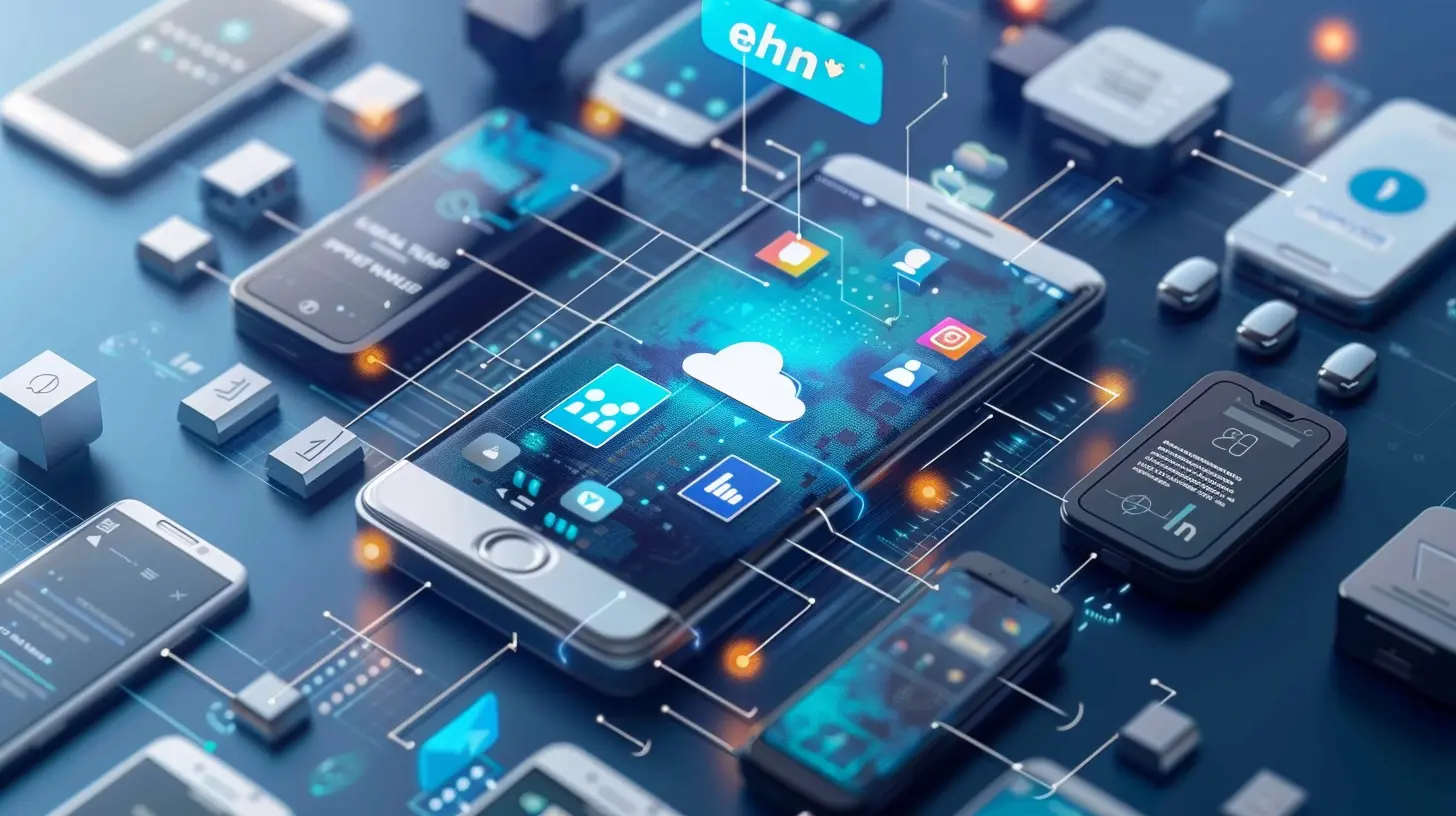
How Does eSIM Work, Anyway?
Now, don’t worry. We’re not about to bust out a whiteboard and throw down tech jargon. Here’s the deal:An eSIM works just like a regular SIM but with added flexibility. It securely stores the data needed to authenticate your phone on a mobile network. But since it's programmable software, you can easily change your mobile operator or plan without swapping a physical card.
Think of it like downloading a playlist instead of buying CDs. Same music, way more convenient.
You can also store multiple profiles—yes, multiple phone numbers or plans—on one device. Switch between your work and personal number with a tap? Yep. Use a local data plan while traveling abroad without breaking the bank? Sign me up.
Why Is Everyone Freaking Out About eSIMs?
Okay, “freaking out” might be a bit dramatic—but industry insiders, phone manufacturers, and frequent travelers are definitely excited. Here’s why:1. No More SIM Swapping Madness
Ever try to swap SIM cards with long nails? Or worse, drop that microscopic chip on the floor of an airport in between flights? eSIMs eliminate physical hassle and make switching carriers or plans a breeze.2. More Space = Cooler Devices
Without needing a SIM slot, manufacturers get wiggle room to design sleeker, slimmer gadgets—or just toss in a bigger battery. (Yes please!)3. Perfect for International Travel
With eSIMs, you can switch to a local carrier the moment you land in a new country. Forget pricey roaming fees or shady airport kiosk SIMs.4. Easier for Dual SIM Use
Many eSIM phones let you run both an eSIM and a physical SIM simultaneously. So if you're juggling personal and work numbers, or balancing two carriers for better coverage, life just got easier.5. Future-Proofing Devices
As 5G rolls out and more people demand flexibility, eSIMs are paving the way for smarter, more autonomous mobile connections.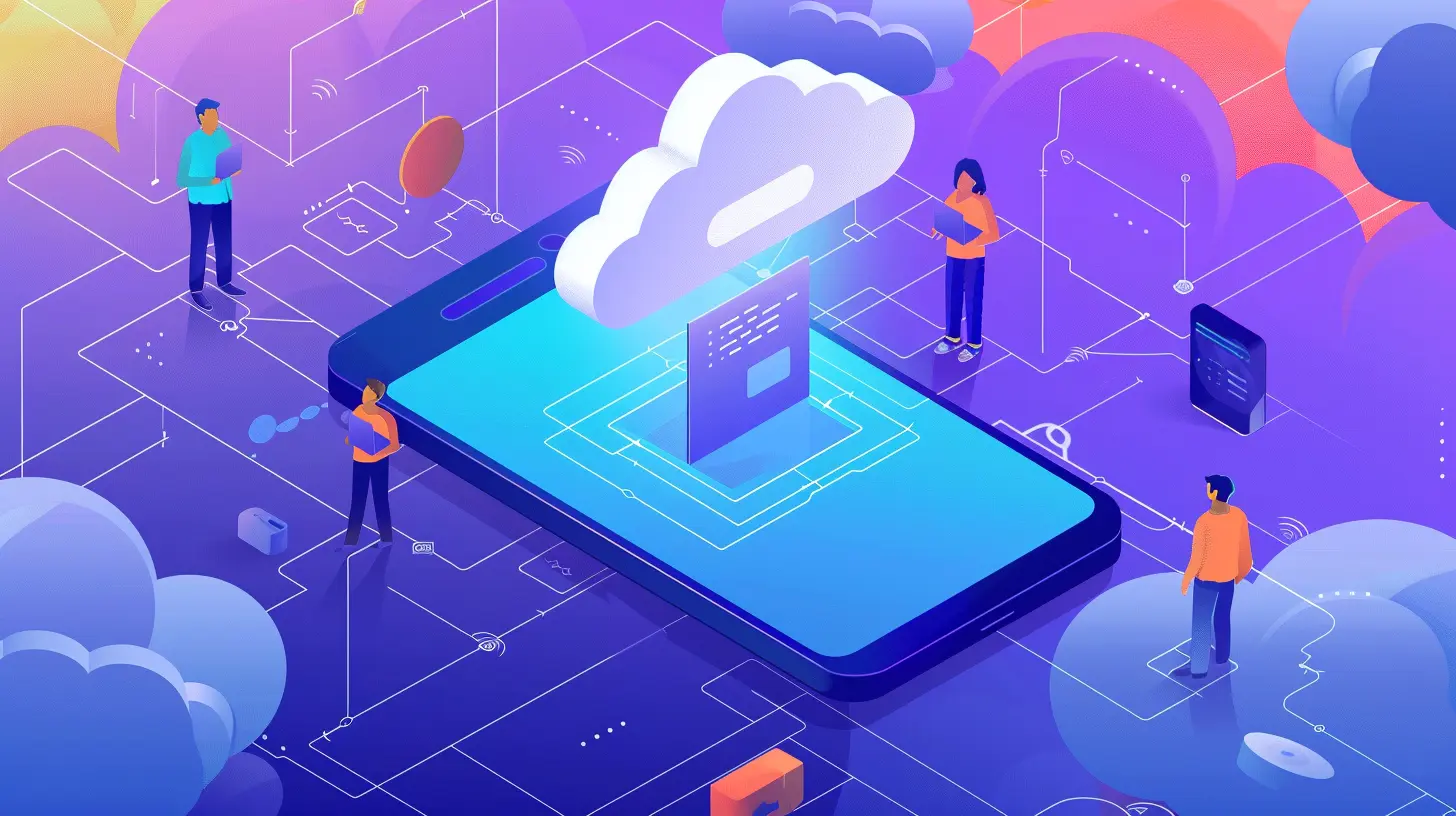
What Devices Support eSIM Right Now?
Glad you asked. eSIM support is growing faster than your group chat’s memes, and here are some popular devices already on board:- Apple iPhones (iPhone XS and newer)
- Samsung Galaxy Series (S20, S21, S22, etc.)
- Google Pixel phones (3 and up)
- iPads and Apple Watch
- Windows laptops with LTE
- Some Wear OS devices
Basically, if it syncs with your smartwatch and knows your Starbucks order, it probably supports eSIM.
Are There Any Downsides?
Of course—no tech is perfect. Let’s not pretend eSIMs are some magical unicorn (yet). Here are a few speed bumps to consider:1. Carrier Support Varies
Not all carriers fully support eSIM yet, although that’s changing quickly. You'll want to check with your provider before ditching your current SIM.2. Setup Can Be Confusing
Setting up an eSIM isn’t hard, but it’s not always intuitive, especially if you’re not a techie. QR codes, activation codes, and digital profiles—yeah, it takes a minute to get used to.3. Transferring eSIM Between Phones? Still Tricky
Unlike popping out a SIM card and slotting it into a new phone, transferring your eSIM profile can get a little clunky. Some phones make it easy; others… not so much.What About Security and Privacy?
You might be thinking, “Is this even safe?” Totally fair.eSIMs actually come with robust security built in. Since there’s no physical chip to steal or clone, and your profile is protected by your phone’s usual security (PINs, biometrics, etc.), you’ve got fewer physical vulnerabilities.
Plus, remote provisioning means lost/stolen phones can have their eSIMs deactivated remotely—much faster than dealing with customer service for a new SIM card. Score one for digital peace of mind.
eSIM vs. Traditional SIM: The Throwdown
| Feature | eSIM | Physical SIM ||----------------------|------------------------------------|-----------------------------------|
| Size & Format | Embedded, no slot needed | Removable, requires a slot |
| Flexibility | Switch carriers easily | Requires physical swap |
| Multiple Profiles | Yes, store several digitally | Usually only one per card |
| Activation Time | Instant (via app or QR code) | Minutes to days (with shipping) |
| Security | More secure, no physical theft | Can be lost, stolen, cloned |
| Device Compatibility | Growing fast | Universal for now |
While traditional SIMs aren’t dead yet, they’re certainly making room for a younger, hipper cousin.
What’s Coming Down the eSIM Road?
We’re at the tip of the iceberg, and things are getting spicy. Here's what’s cooking in the eSIM kitchen:📱 Fully eSIM-only Phones
Apple already dipped its toes with eSIM-only iPhones in the U.S. Expect others to follow that trend in the coming years.🌍 Global Data Plans
Think of signing up for one universal data plan that follows you across borders. No more hunting for local SIMs or managing multiple carriers. It’s like a passport for your mobile data.🛰️ Better IoT Connectivity
eSIMs are tailor-made for the Internet of Things—tracking devices, smart cars, drones, and more. No SIM slot means no fiddling, and remote provisioning makes bulk deployment a snap.🔄 On-the-Fly Carrier Switching
Imagine your device automatically hopping to the best available network in real-time. It's not just wishful thinking—this is one of the promised perks of advanced eSIM functionality.How to Get Started with an eSIM (Without Pulling Your Hair Out)
New to the eSIM game? No sweat. Most phone manufacturers and carriers have made the process pretty simple.Here’s a quick (and painless) walkthrough:
1. Check Compatibility
Make sure your phone supports eSIM and your chosen carrier offers eSIM plans.
2. Get a QR Code or Activation Info
Your carrier typically gives you a QR code to scan or a set of digits to enter.
3. Activate via Settings
On an iPhone, go to Settings > Cellular > Add Cellular Plan. Android has similar steps based on make/model.
4. Boom—you’re connected!
It’s like magic, minus the wand.
Still feel overwhelmed? Most carriers will walk you through setup, and YouTube is a treasure trove of friendly tutorials. You’ve got this!
Should You Switch to eSIM Now?
Short answer? If your phone supports it—YES.Longer answer? If you love flexibility, travel often, or just want to future-proof your mobile life, eSIM is definitely worth a spin. Will physical SIMs disappear overnight? Probably not. But the writing’s on the wall—and it’s spelled e-S-I-M in bold.
Think of it like upgrading from DVDs to streaming. Sure, DVDs worked, but once you’ve tasted instant access, there's no going back.
Final Thoughts: Embrace the eSIM Era
So, what have we learned today? That eSIMs are no longer some nerdy sci-fi fantasy. They’re real, they’re awesome, and they’re slowly taking over how we stay connected.While it's not a flawless revolution (yet), the benefits are hard to ignore: simplified carrier switching, better travel options, smarter gadgets, and a lot less fumbling with tiny plastic cards.
Ready to ditch the SIM tray and walk into the future of mobile connectivity hands-free? The eSIM is calling.
all images in this post were generated using AI tools
Category:
Mobile DevicesAuthor:

Kira Sanders
Discussion
rate this article
2 comments
Petra McRae
eSIM technology signifies a transformative shift in mobile connectivity, offering greater convenience and flexibility. As we embrace this innovation, it’s crucial to consider privacy and security implications, ensuring a balance between connectivity and user safety in our digital lives.
March 19, 2026 at 5:06 AM
Kira Sanders
Thank you for highlighting the important balance between innovation and security in eSIM technology. It's essential that as we embrace this shift, we remain vigilant about protecting user privacy and safety.
Sabrina McConkey
Great article! eSIM technology is indeed reshaping mobile connectivity by offering flexibility and convenience for users. With the ability to switch carriers digitally and eliminate physical SIM cards, it paves the way for a more streamlined experience. Excited to see how this will evolve and impact global connectivity!
March 17, 2026 at 8:28 PM
Kira Sanders
Thank you for your insights! I’m glad you found the article informative. Exciting times ahead for eSIM technology!