Ethical Dilemmas of Autonomous Driving: Who’s Responsible?
5 December 2025
Technology is racing ahead like a driver with no rearview mirror, plunging into the future at breakneck speed. Self-driving cars, once a sci-fi fantasy, are now sharing the roads with us. But as we hand over the wheel to artificial intelligence (AI), a pressing question looms—who’s responsible when things go wrong?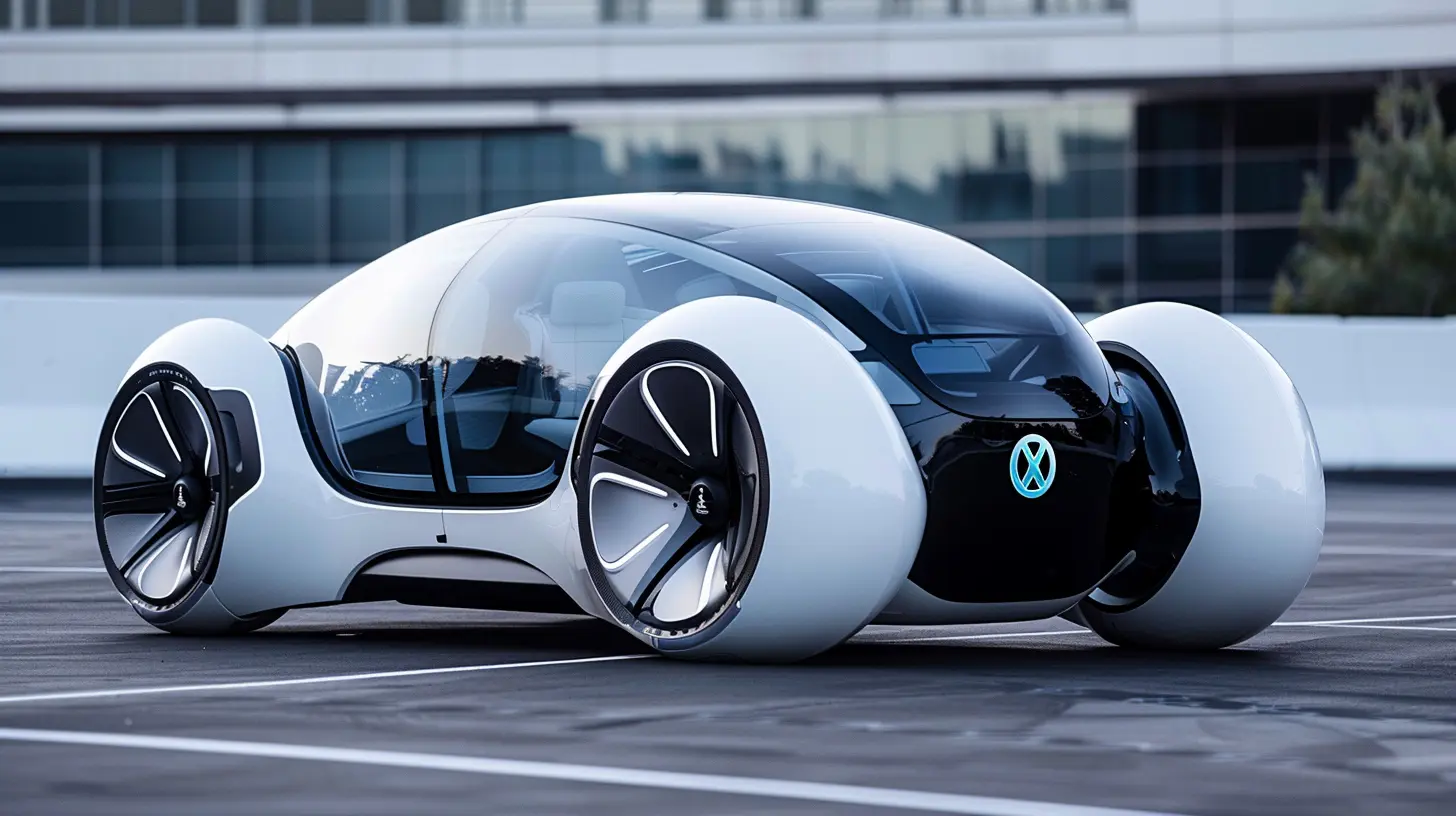
The Self-Driving Revolution: A Double-Edged Sword
Autonomous vehicles (AVs) promise a utopia of safer roads, fewer accidents, and traffic efficiency. They don’t text while driving, fall asleep at the wheel, or get road rage. Sounds perfect, right? Not so fast.The dilemmas AI-driven cars present are as complex as a highway interchange. There are legal, moral, and ethical hurdles that no machine-learning algorithm can easily navigate. How does a car programmed by humans make life-and-death decisions? And when an accident happens—because let’s face it, they will—who bears the blame? 
The Moral Dilemma: Who Lives, Who Dies?
Imagine an autonomous vehicle cruising down the street when suddenly, a child darts in front of it. The AI has milliseconds to decide: swerve and hit a pedestrian on the sidewalk, slam the brakes at the risk of injuring its passengers, or continue forward, endangering the child.This is what ethicists refer to as the trolley problem, but with an added layer of complexity—these decisions are pre-programmed, meaning a developer, sitting in an office, effectively determines who lives or dies long before the event occurs.
Should a self-driving car prioritize the safety of its passengers over pedestrians? Or should it take a utilitarian approach, minimizing harm even at the cost of its occupants? No matter how advanced AI gets, these questions remain stubbornly human. 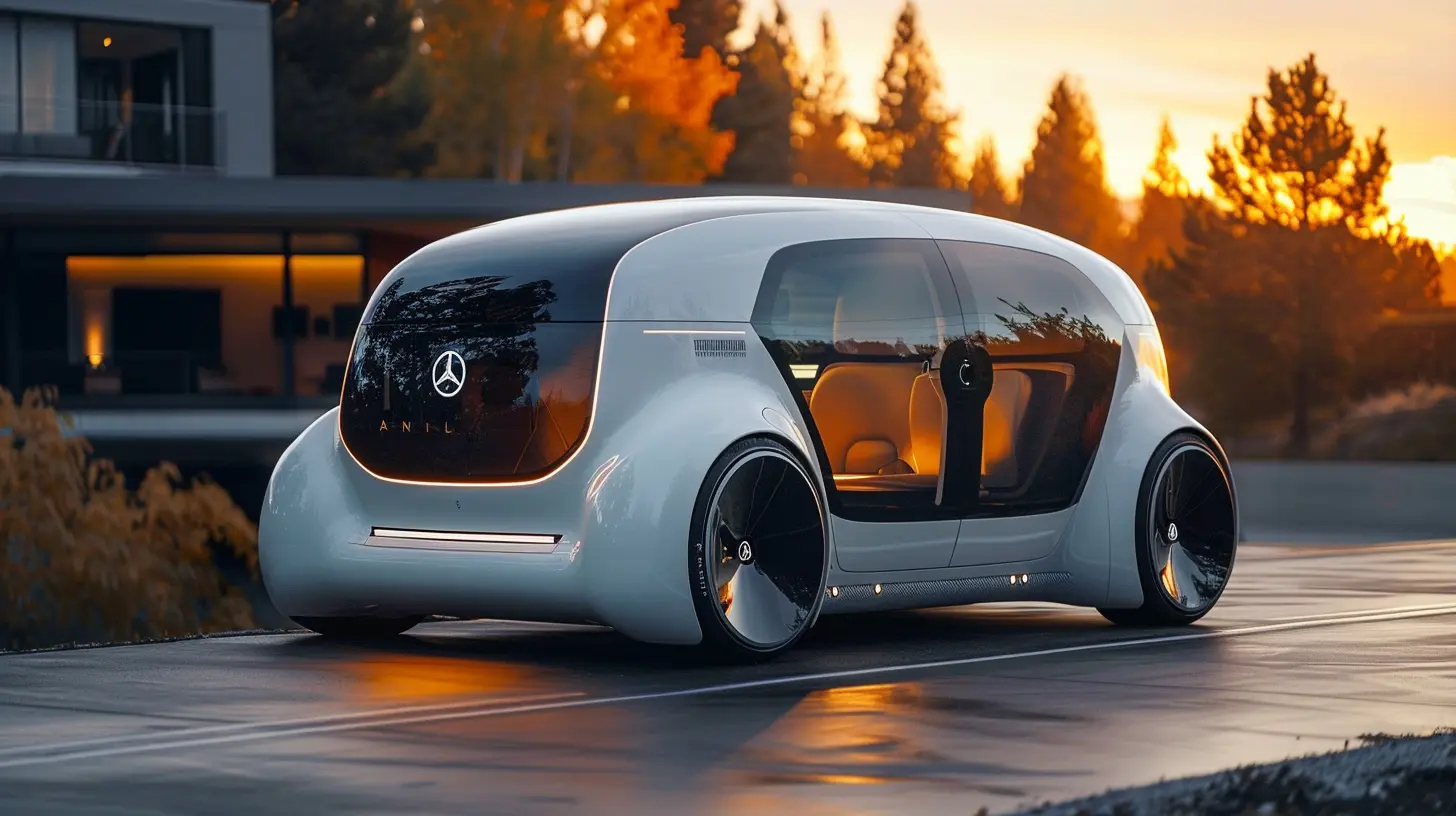
Who’s Legally Responsible?
When an autonomous vehicle causes an accident, who shoulders the blame? Is it the manufacturer, the software developer, the car owner, or the AI itself?1. The Manufacturer's Burden
Traditional carmakers have long dealt with recalls and liabilities, but AVs introduce a whole new level of accountability. If a car's braking system fails due to faulty hardware, the manufacturer is at fault. But what happens when a software bug causes the collision?2. Software Developers: The Invisible Hands
Self-driving cars are powered by lines of code, machine learning models, and endless data streams. If an algorithm makes a flawed decision, does the responsibility fall on the engineers who designed it? Unlike human drivers, AI doesn’t have moral intuition—it follows instructions.3. The Owner’s Responsibility
Even though AVs don’t require hands on the wheel, should car owners still be held accountable? Some argue that if you "operate" an autonomous car, you should take responsibility for its actions—much like a pet owner is responsible for an unruly dog.4. Should AI Take the Fall?
A radical question: should AI itself be held accountable? If an autonomous system is recognized as an “entity,” can it be sued? Fined? Punished? Right now, the law doesn’t see AI as responsible—but as these machines become more independent, will that change?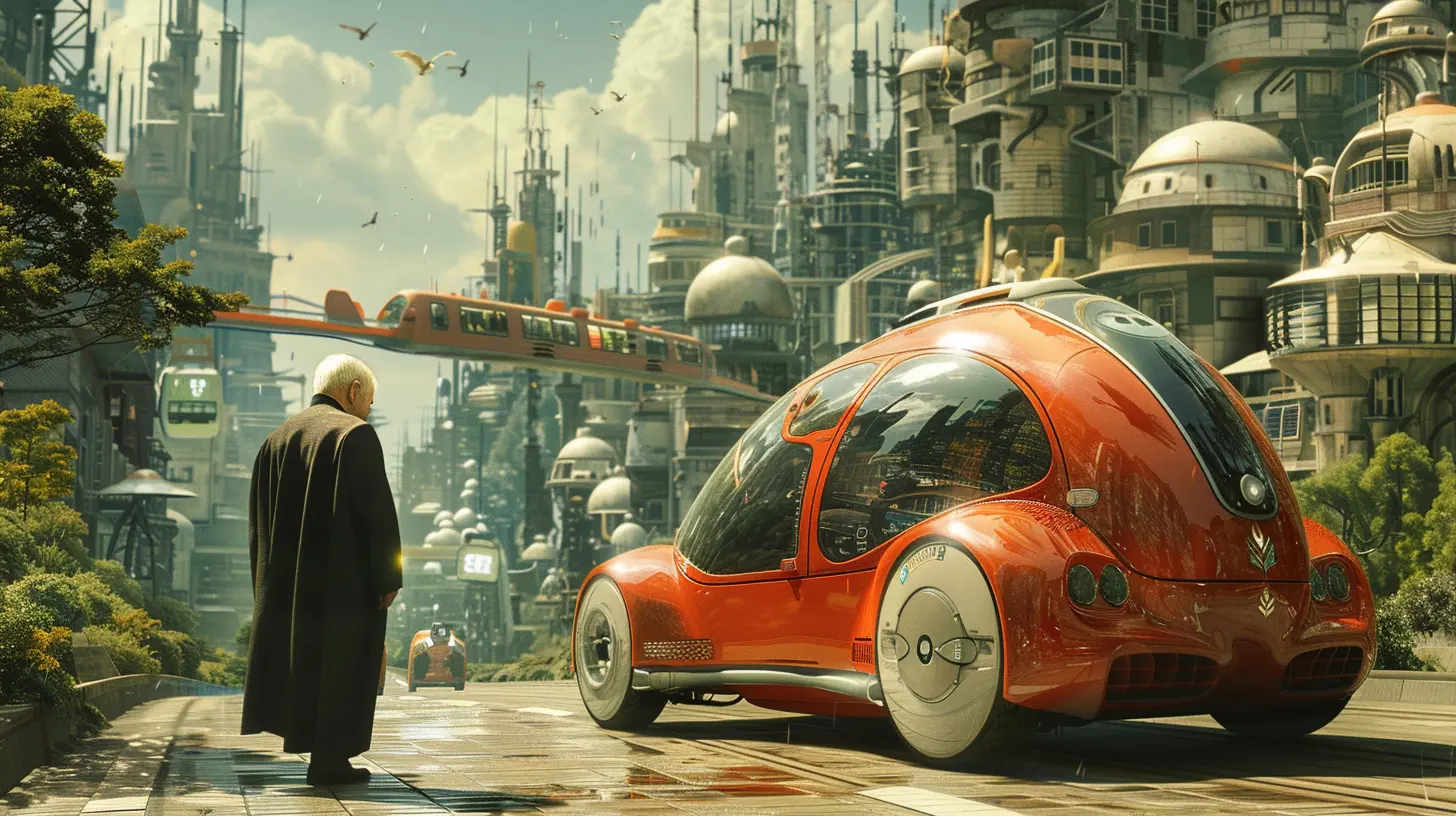
Ethics vs. Business: A Conflict of Interest
Let’s be real—companies designing self-driving cars have a vested interest in making their vehicles appear as safe as possible. But safety often collides with profit.Imagine two competing self-driving car brands. One promises its AI prioritizes passengers’ safety above all else, while the other follows a utilitarian principle, minimizing harm overall. Which one would consumers buy? Chances are, people would choose the one that guarantees their safety, even if that means someone else gets the short end of the stick.
This creates a troubling dynamic: ethical programming may not always align with what sells. When morality and business collide, which one wins?
The Role of Governments and Regulations
Governments worldwide are scrambling to catch up with the rapid rise of autonomous technology. Some countries, like Germany, have already established ethical guidelines for self-driving cars. The rules? Cars must avoid harm whenever possible, and human lives cannot be ranked in importance.But enforcing these rules is a whole other beast. How do you regulate machines that learn and evolve? Who audits the decision-making logic of an autonomous vehicle?
Governments face a daunting challenge: creating laws that ensure public safety without stalling innovation.
Can AI Ever Be Truly Ethical?
AI doesn’t have morals—it has rules. It doesn’t feel guilt or compassion. It doesn’t reflect on decisions or lose sleep over them. It simply follows an algorithm designed by humans.But here’s the catch: humans are flawed. Our biases, whether conscious or unconscious, seep into the AI we create. If an autonomous system is trained on biased data, it might unintentionally favor certain decisions over others.
In the end, AI can be programmed to mimic ethical behavior, but true morality? That remains uniquely human.
Moving Forward: A Shared Responsibility
So, where does that leave us? The answer isn’t simple—but one thing is clear: the responsibility is shared.- Manufacturers must ensure rigorous testing and transparency in AI decision-making.
- Software developers need ethical oversight in their programming.
- Lawmakers must create adaptive regulations that balance safety and innovation.
- Consumers must understand the risks and limitations of AV technology.
Autonomous driving is no longer a far-off dream—it’s here, navigating the streets alongside us. And as we inch closer to a driverless future, the ethical dilemmas will only grow. The question isn’t just about who’s responsible—it’s about whether we’re ready to face the answers.
all images in this post were generated using AI tools
Category:
Autonomous VehiclesAuthor:

Kira Sanders
Discussion
rate this article
2 comments
Brick McManus
This article raises fascinating questions about accountability in autonomous driving. If a self-driving car makes a decision that leads to an accident, should the blame fall on the manufacturer or the software developer?
December 11, 2025 at 11:50 AM
Kira Sanders
Thank you for your comment! Accountability in autonomous driving is indeed complex and may depend on various factors, including the specific circumstances of the incident and the level of involvement by manufacturers and developers. It's a critical discussion as we navigate this evolving technology.
Thalwen McKinnon
Great article! The ethical dilemmas surrounding autonomous driving really make us think. It's fascinating yet concerning to consider who’s accountable in unforeseen situations. As technology evolves, I hope we find a balance that prioritizes safety while embracing innovation. Looking forward to more discussions on this!
December 8, 2025 at 1:30 PM
Kira Sanders
Thank you for your thoughtful comment! I share your hopes for finding a balance between safety and innovation in autonomous driving. Looking forward to more discussions on this important topic!